Disclosure: This is a research-based buyer’s guide. Trekbench may earn a commission from qualifying purchases. We have not lab-measured these boots for this article; recommendations are based on brand published width offerings, manufacturer specs, and independent fit reporting we cite.
Wide feet fail hiking boots in two different ways: the ball and midfoot need volume (often labeled Wide / 2E / 4E), and the toes need splay room that many “wide” lasts still taper away. Buying the right boot means matching the failure mode—not just grabbing any model with “Wide” in the title.
Quick answer
For a waterproof mid boot in a true brand-listed Wide width, start with the Keen Targhee IV Mid Waterproof Wide or Merrell Moab 3 Mid Waterproof Wide. For a roomier anatomical toe box (including a Wide option), look at Altra Lone Peak 9+. For max cushion in a Wide trail shoe, compare Hoka Speedgoat 7 Wide. Confirm current width SKUs on each brand’s site before you order.
| Model | Type | Wide story | Drop (brand) | Waterproofing | Best for |
|---|---|---|---|---|---|
| Keen Targhee IV Mid WP Wide | Mid boot | Dedicated Wide (men’s/women’s); some Keen lines also offer 4E | ~12 mm | KEEN.DRY | All-around day hikes needing toe room + ankle support |
| Merrell Moab 3 Mid WP Wide | Mid boot | Dedicated Wide last | ~11.5 mm | Merrell membrane (GTX versions sold separately) | Value wide boot with Vibram traction |
| Oboz Sawtooth X Mid WP Wide | Mid boot | Wide with brand-noted C heel / EE forefoot on some men’s wides | ~8 mm | B-DRY | Hikers who want a secure heel with a wider forefoot |
| Altra Lone Peak 9+ | Trail shoe | Original FootShape toe box + Wide widths | 0 mm | None standard (GTX variants exist) | Maximum toe splay; lower-cut miles |
| Hoka Speedgoat 7 Wide | Trail shoe | Men’s Wide offered | ~5 mm | None standard (GTX exists) | Cushioned long days; not a tall boot |
Spec signals compiled from brand pages and secondary fit roundups current as of late 2026 research; verify weights, membranes, and width codes on the product page you buy.
How we chose (research method)
We prioritized models that brands actually sell in a distinct Wide width or that use an explicitly foot-shaped toe box. We cross-checked manufacturer drop/stack/membrane language and noted where independent writers report measured toe-box width. We avoided claiming “we hiked 100 miles in these” because we did not.
Wide width vs wide toe box
Wide width usually means more girth through the ball of the foot (2E/4E or brand “Wide”). Wide toe box means the front of the shoe does not taper aggressively, even in a regular width. You can need both. Lab-style comparisons of toe width (for example roundups that measure many models at the big toe) consistently show Altra’s FootShape lasts among the roomiest; mainstream boots can be wide at the ball yet still pinch toes.
Fit checklist before you buy
- Measure both feet at the end of the day; fit the larger foot.
- Wear the hiking socks you actually use on trail.
- Stand on a ramp or incline in-store if you can—toes should not jam on descents.
- Check heel hold separately from forefoot room; a wide forefoot with a loose heel causes blisters.
- If you use insoles or orthotics, try them in the boot before removing tags.
Model notes
Keen Targhee IV Mid Waterproof Wide
Keen markets dedicated Wide versions of the Targhee IV Mid Waterproof for men and women. Brand copy emphasizes a roomy toebox geometry and KEEN.DRY waterproofing with a rugged outsole. It is a traditional mid-cut hiker—better when you want ankle coverage and weather protection than when you want a featherweight trail runner feel. Confirm men’s vs women’s Wide SKUs; some Keen models also publish 4E options in related lines.
Merrell Moab 3 Mid Waterproof Wide
The Moab line is one of the most commonly stocked wide hikers. Merrell sells Wide versions and lists Vibram outsole options on Moab 3 family pages. It is often the value starting point for weekend hikers who need more forefoot room without jumping to a specialty anatomical brand. If you need Gore-Tex specifically, verify whether you are looking at the membrane Moab or a GTX SKU—Merrell sells both stories in the broader Moab family.
Oboz Sawtooth X Mid Waterproof Wide
Oboz is useful when a standard Wide still swims in the heel. Some Wide descriptions note a narrower heel with a wider forefoot, which matches a common wide-foot shape. B-DRY is Oboz’s membrane. Worth trying on if Keen/Merrell feel baggy behind the ankle.
Altra Lone Peak 9+
Altra’s Original FootShape last is built for toe splay; Wide widths add overall volume. The Lone Peak 9+ is a trail shoe with 0 mm drop and a Vibram Megagrip outsole on the “+” version—excellent for hikers who hate tapered toes, less ideal if you need a stiff backpacking midsole or high ankle support. Transition gradually if you are coming from 10–12 mm drop boots.
Hoka Speedgoat 7 Wide
Choose this when cushion and underfoot rock protection matter more than boot height. Hoka lists Wide for men’s Speedgoat 7 and often advises sizing carefully for length separately from width. Not a substitute for a mid boot on rough, load-bearing approaches.
Who should skip which
- Skip zero-drop Altras if your calves/Achilles are not conditioned for it.
- Skip soft trail shoes if you carry heavy loads on scree—look at stiffer backpacking boots with Wide SKUs (and try them on; wide backpacking options are fewer).
- Skip “just size up” as a width strategy; extra length creates heel slip and black toenails.
FAQ
Are women’s wide and men’s wide the same?
No. Lasts differ. Buy the gendered last that matches your foot shape, then the correct width code.
Is 2E enough or do I need 4E?
2E is the common “Wide.” 4E (extra wide) helps bunions and very high volume feet. Keen and some New Balance trail lines are better hunting grounds for 4E than many traditional boot brands.
Do waterproof membranes make wide boots feel tighter?
Sometimes. Membranes and insulation reduce interior volume. If you are between widths, try the Wide waterproof version on before assuming the non-WP Wide will feel the same.
Can I stretch a regular boot instead?
Minor leather stretch is real; synthetic uppers and toe tapers rarely become truly wide. Start with the right last.
Bottom line
For most hikers with wide feet, a dedicated Wide mid boot from Keen or Merrell is the straightforward path; Altra (and similar anatomical shapes) win when the pain is toe taper rather than overall girth. Fit with hike socks, judge descents, and treat “Wide” as a starting label—not a guarantee.
Selected sources: Keen / Merrell / Altra / Hoka / Oboz product width listings; independent wide-fit roundups summarizing brand specs (2026). Always re-check the live product page for the size run you need.
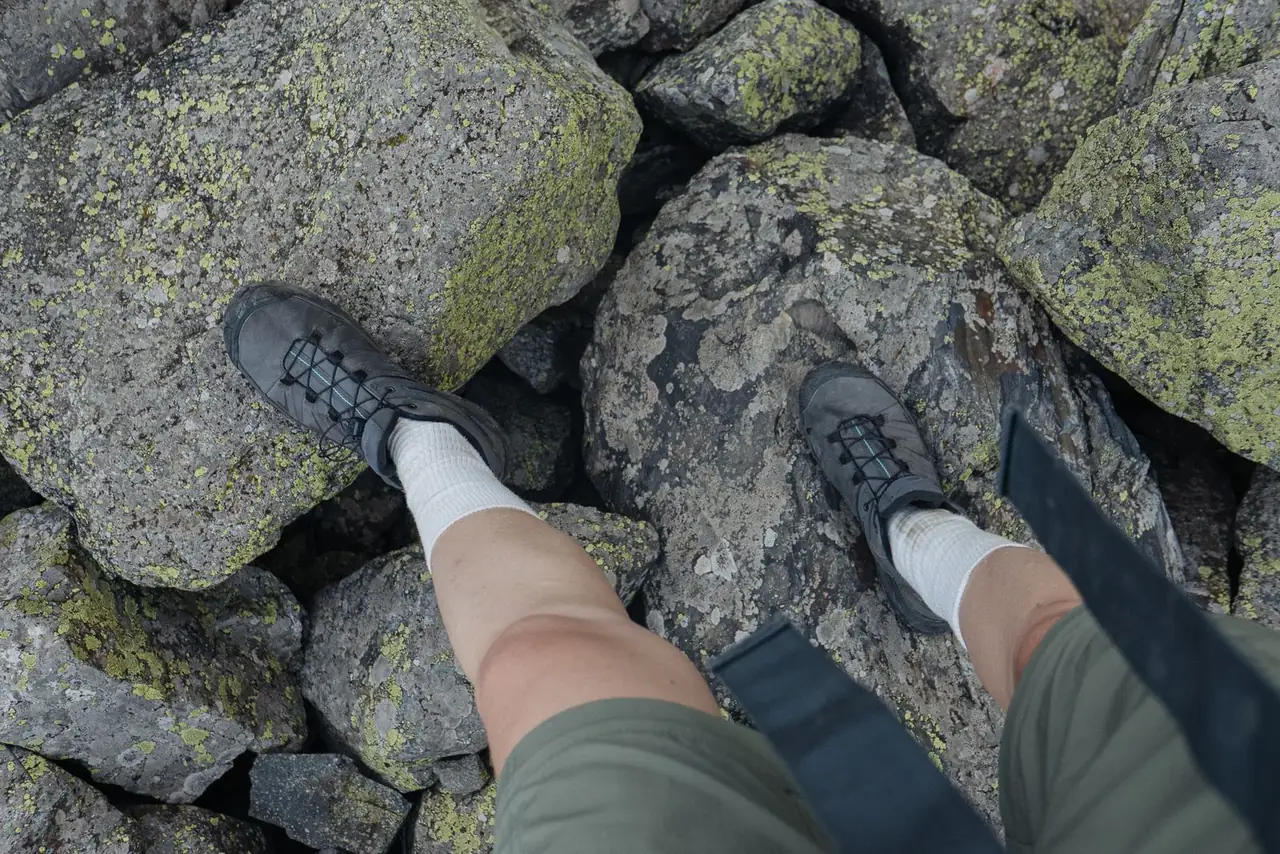
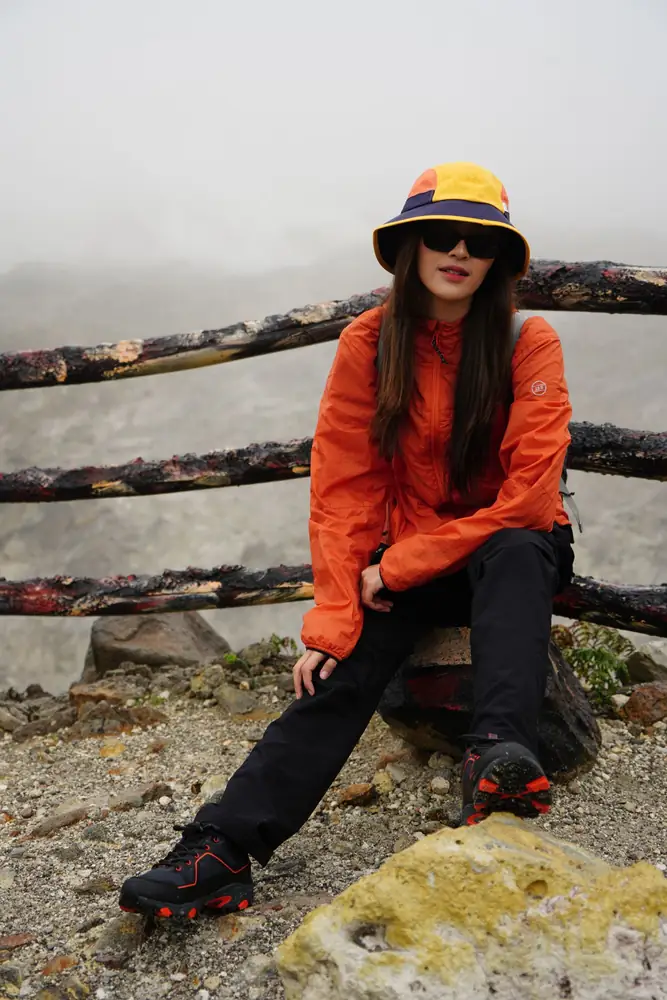
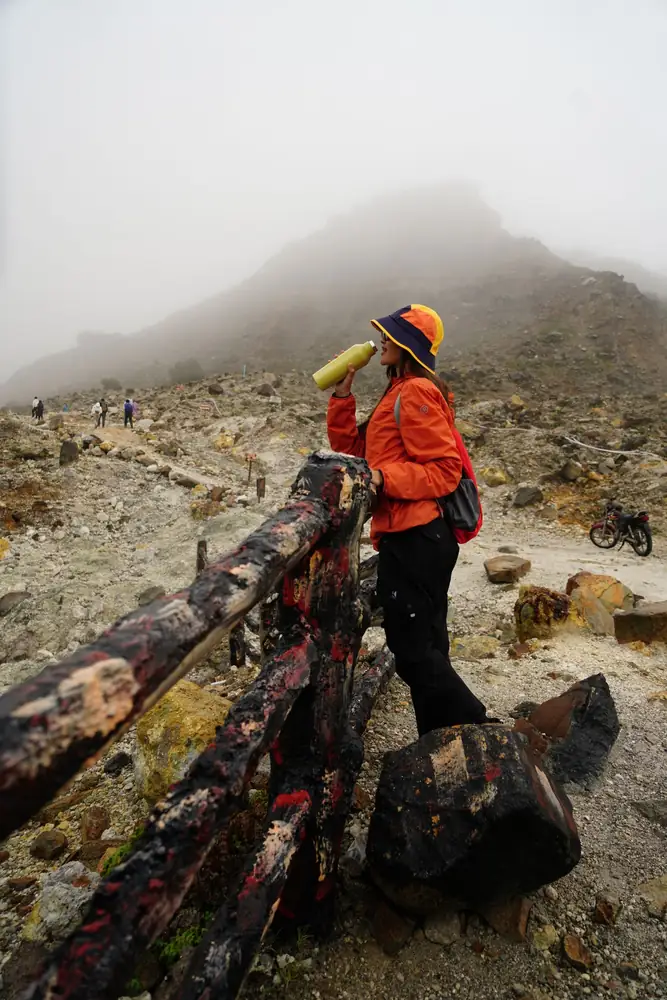
Cover photo: Aa Dil on Pexels (Pexels License).