Posted on

Softshell Jacket vs Wind Shirt for Travel and Hiking

TrekBench Midlayers
Affiliate disclosure: TrekBench may earn a commission from some merchant links. Our recommendations remain independently edited and commissions do not affect verdicts.

Softshells and wind shirts both handle shoulder-season movement, but they differ in breathability, weather resistance, packed size, and comfort.

What matters on a real trip

  • Comfort and usability after the first hour matter more than novelty features.
  • Common failure points include zippers, buckles, locks, seams, coatings, battery doors, and charging ports.
  • Packed size and storage determine whether the item comes on the next trip.
  • Weather and cleaning needs should match the conditions readers actually face.
  • Value means reliable repeat use, not only the lowest checkout price.

Buying notes

We focus on the parts that affect repeat use: comfort after the first hour, setup friction, packed size, weather tolerance, durability at common failure points, cleaning and storage, and whether the item makes sense for weekend travel rather than expedition-only use.

Who should consider it

This article is written for hikers, campers, and travelers who want practical outdoor gear for weekends, road trips, light backpacking, and national-park style travel. Readers planning remote expeditions should use this as a starting point and check specialist guidance before relying on any single item.

TrekBench verdict

A wind shirt is the better small-layer choice; a softshell is better when abrasion and light weather matter more.

Author: TrekBench Editorial
Our editorial desk covers travel, camping, hiking, packs, footwear, apparel, and outdoor electronics for real-world trips.

How Each Layer Works

A wind shirt is an ultralight, thin nylon or polyester shell, often under 150 grams, with a durable water repellent (DWR) finish. It blocks wind, sheds light drizzle, and breathes well. A softshell is a heavier, stretchy woven fabric, sometimes with a light fleece backing. It is more abrasion-resistant and warmer, handles light snow and wind, and moves freely, but packs larger.

Comparison

FactorWind shirtSoftshell
Weight / packed sizeVery light, fist-sizedHeavier, bulkier
BreathabilityHighModerate to high
WarmthMinimalSome, especially brushed backers
DurabilityFragile around brush/rockTough, stretchy
RainLight drizzle onlyLight rain only
Best forFast hiking, running, emergency layerClimbing, cold dry days, travel

Neither Is a Rain Jacket

Both rely on DWR, which wears off with use and dirt. For sustained rain you still need a waterproof-breathable shell. Many hikers carry a wind shirt plus a rain shell, because the combination covers more conditions than a softshell alone.

Travel Considerations

For city-to-trail trips, softshells look more like regular jackets and resist wrinkles, which makes them easy to wear on a plane and at dinner. Wind shirts are better when every gram counts or when you need a layer that stuffs into a pocket.

Care Tips

  • Wash with technical fabric cleaner, not regular detergent with softeners.
  • Restore water repellency with a spray-on or wash-in DWR treatment and, if the label allows, low heat in the dryer.
  • Check the fit over a base layer and light fleece so the layer works in a system.

Quick Decision Guide

Choose a wind shirt if you hike fast, sweat a lot, and want an emergency layer that weighs almost nothing. Choose a softshell if you scramble, climb, or travel and want one durable layer that handles cold wind and light weather all day.
Posted on

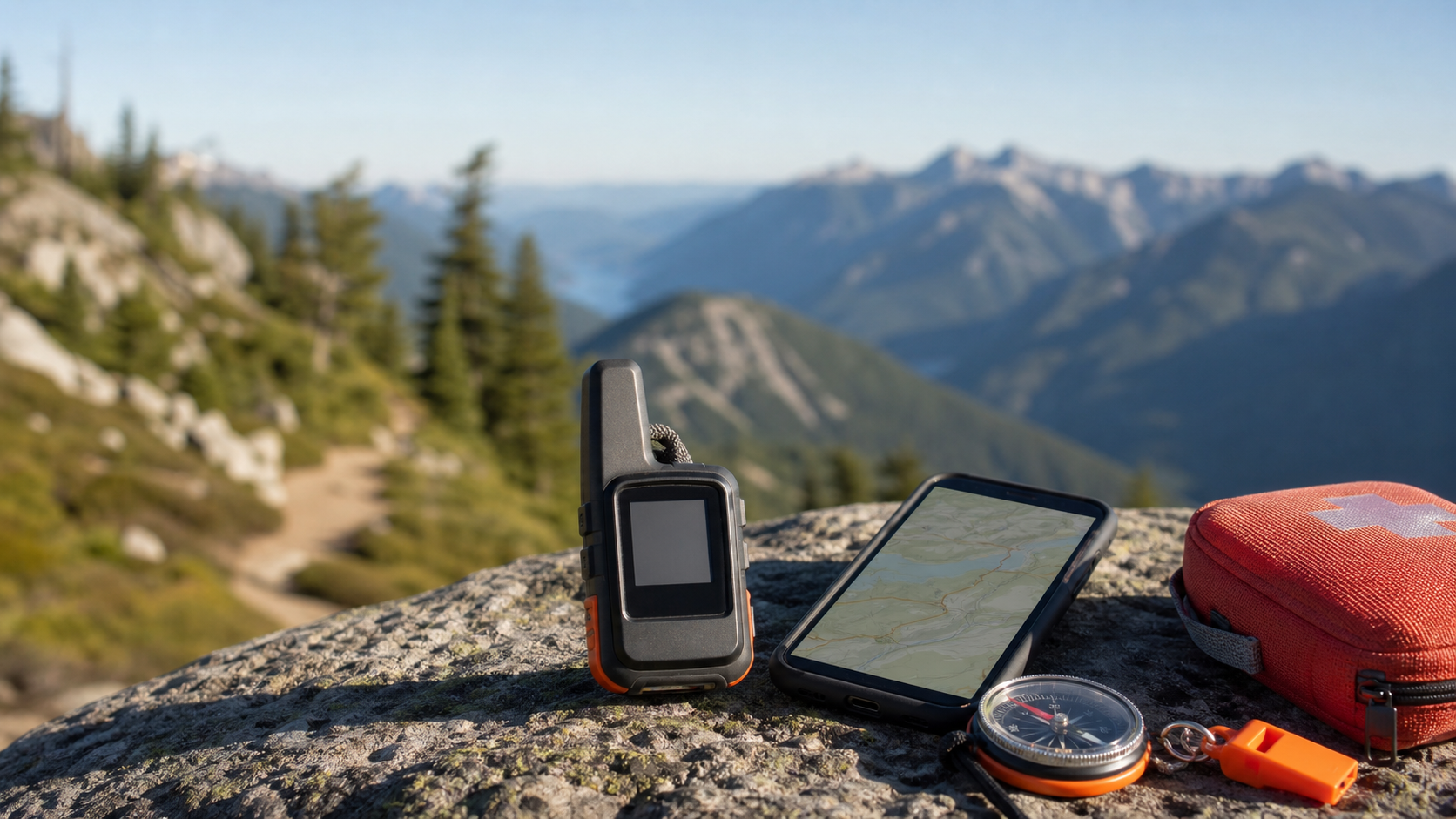
Garmin inReach Mini 2 Review: Safety Device or Nice-to-Have?

Garmin inReach Mini 2 Review: Safety Device or Nice-to-Have? featured image

Affiliate disclosure: TrekBench may earn a commission from some merchant links. Our recommendations remain independently edited and commissions do not affect verdicts.

Author: Nina Hart · Last updated: Jul 3, 2026

An outdoor electronics review covering satellite messaging, battery life, subscription value, app flow, and who really needs a communicator.

Quick Verdict

A satellite communicator is not exciting gear, but for solo hikers, remote travelers, and poor-signal routes, it can be one of the most important items in the pack.

What We Evaluate

Battery life, message reliability, app clarity, subscription cost, SOS workflow, weather access, charging, and how easily the device can be used when stressed.

Who It Is For

Solo hikers, remote road trippers, backcountry travelers, photographers, and anyone regularly outside mobile coverage.

Who Should Avoid

Casual park walkers and people who stay near reliable service may be better served by a phone, power bank, and shared itinerary.

Research Summary

The key question is not whether the device is clever; it is whether it is simple enough to trust when weather, fatigue, or navigation stress appear.

Verdict

If your routes often leave phone service, satellite communication moves from luxury to risk-management tool.

What the inReach Mini 2 Actually Does

The Garmin inReach Mini 2 is a two-way satellite communicator that uses the Iridium network, which covers the whole globe including the poles. That matters because it works in canyons, high mountains, and remote coastlines where there is no cell signal at all. Its core functions are an interactive SOS that connects you to Garmin’s 24/7 response coordination center, two-way text messaging, location tracking that friends can follow on a MapShare page, and basic weather forecasts delivered by satellite.

Compared with the original Mini, the Mini 2 added multi-GNSS positioning (GPS, Galileo and others), a TracBack route feature that can guide you back along your recorded path, a digital compass, and a USB-C port. Garmin lists battery life of up to about 14 days in its default 10-minute tracking mode, and much longer in power-saving configurations. The device weighs roughly 100 grams, so it disappears in a hip-belt pocket or clips to a shoulder strap.

Satellite Messenger vs. PLB: The Key Trade-off

A personal locator beacon (PLB) sends a one-way distress signal to government search-and-rescue via the COSPAS-SARSAT system. It needs no subscription and usually has higher transmit power, but it cannot tell rescuers what is wrong and cannot receive a reply. An inReach can. Two-way messaging lets you say “ankle injury, can walk slowly” or “stuck by river crossing, safe, will wait,” which can change how a rescue is coordinated, and it lets you send routine check-ins that keep family from triggering an unnecessary search when you are simply late.

The cost of that flexibility is an ongoing subscription. Garmin offers monthly and annual plans with different message and tracking allowances, and prices change over time, so check Garmin’s current plan page before buying. If you only take a few remote trips a year, a flexible monthly plan you activate seasonally may cost less than an annual plan.

Who Benefits Most

  • Solo hikers and trail runners on routes without reliable coverage.
  • Backpackers and thru-hikers who want daily check-ins with family.
  • Paddlers, hunters, and backcountry skiers who go beyond cell range regularly.
  • Parents or partners who want shared tracking rather than a one-way beacon.

If your hiking is mostly on popular trails with good phone coverage, a modern smartphone with satellite SOS may cover emergencies. Check whether your phone model and region support that feature, and remember that phone batteries drain much faster than a dedicated communicator.

Practical Setup Tips

  1. Activate before the trip. Activation and syncing contacts through the Garmin Explore app or website requires internet.
  2. Preset messages. Preset messages are typically free to send under most plans and are fast to use with cold hands.
  3. Test at home. Send a test message from an open sky location so you know how long a message takes to go through.
  4. Carry it on your body. A device in the bottom of a pack is useless if you are separated from your pack after a fall.
  5. Know the SOS cover. Lift the SOS cover only in a real emergency; once triggered, stay in communication with the response center.

Limitations to Know

Satellite messages are not instant; they can take a minute or more, and dense tree cover or deep canyons can slow transmission. The screen is small, so composing custom messages is easier on a paired phone. Navigation features are basic compared with a dedicated GPS handheld or watch; most people use the Mini 2 for communication and a phone or watch for maps. Finally, a communicator does not replace route planning, a paper map, or telling someone your itinerary.

FAQs

Is this recommendation independent? Yes. TrekBench recommendations are edited independently and affiliate relationships do not decide our verdicts.

How should I use this guide? Use it to shortlist gear, then compare fit, return policies, local conditions, and your actual trip needs.

Posted on

Compact Canister Stove Review Notes for Weekend Cooking

TrekBench Trekking Poles
Affiliate disclosure: TrekBench may earn a commission from some merchant links. Our recommendations remain independently edited and commissions do not affect verdicts.

A small stove can be brilliant for coffee and one-pot meals, but stability, wind performance, and simmer control determine whether it feels useful after the novelty fades.

What matters on a real trip

  • Comfort and usability after the first hour matter more than novelty features.
  • Common failure points include zippers, buckles, locks, seams, coatings, battery doors, and charging ports.
  • Packed size and storage determine whether the item comes on the next trip.
  • Weather and cleaning needs should match the conditions readers actually face.
  • Value means reliable repeat use, not only the lowest checkout price.

Buying notes

We focus on the parts that affect repeat use: comfort after the first hour, setup friction, packed size, weather tolerance, durability at common failure points, cleaning and storage, and whether the item makes sense for weekend travel rather than expedition-only use.

Who should consider it

This article is written for hikers, campers, and travelers who want practical outdoor gear for weekends, road trips, light backpacking, and national-park style travel. Readers planning remote expeditions should use this as a starting point and check specialist guidance before relying on any single item.

TrekBench verdict

Compact stoves work best when paired with simple meals, a stable pot, and a realistic wind plan.

Author: TrekBench Editorial
Our editorial desk covers travel, camping, hiking, packs, footwear, apparel, and outdoor electronics for real-world trips.

How Canister Stoves Work

Canister stoves screw onto pressurized fuel canisters that contain an isobutane-propane blend. They light instantly, simmer reasonably well, and are the most popular choice for weekend backpacking.

Stove Styles

StyleProsCons
Upright, canister-mountedLight, small, cheapTall and less stable with large pots; wind-sensitive
Integrated system (Jetboil-style)Fast boil, wind-resistantHeavier, best for boiling, not cooking
Remote canisterLower, stable, can invert canister in coldHeavier

Cold Weather Performance

Canister pressure drops in cold temperatures, reducing output. Keep the canister warm in your jacket before use, and choose fuel blends with more propane for cold trips. Remote-canister stoves that allow inverted canister use perform better in cold.

Fuel Planning

A 100-gram canister typically boils several liters of water depending on wind, temperature, and stove efficiency. Weigh canisters to estimate remaining fuel. Fuel canisters cannot be flown, so buy them at your destination.

Safety

  • Never cook inside a closed tent; carbon monoxide and fire risk are real.
  • Use on stable ground and respect fire restrictions.
  • Do not use a full windscreen around a canister on upright stoves; trapped heat can overheat the canister.
Posted on

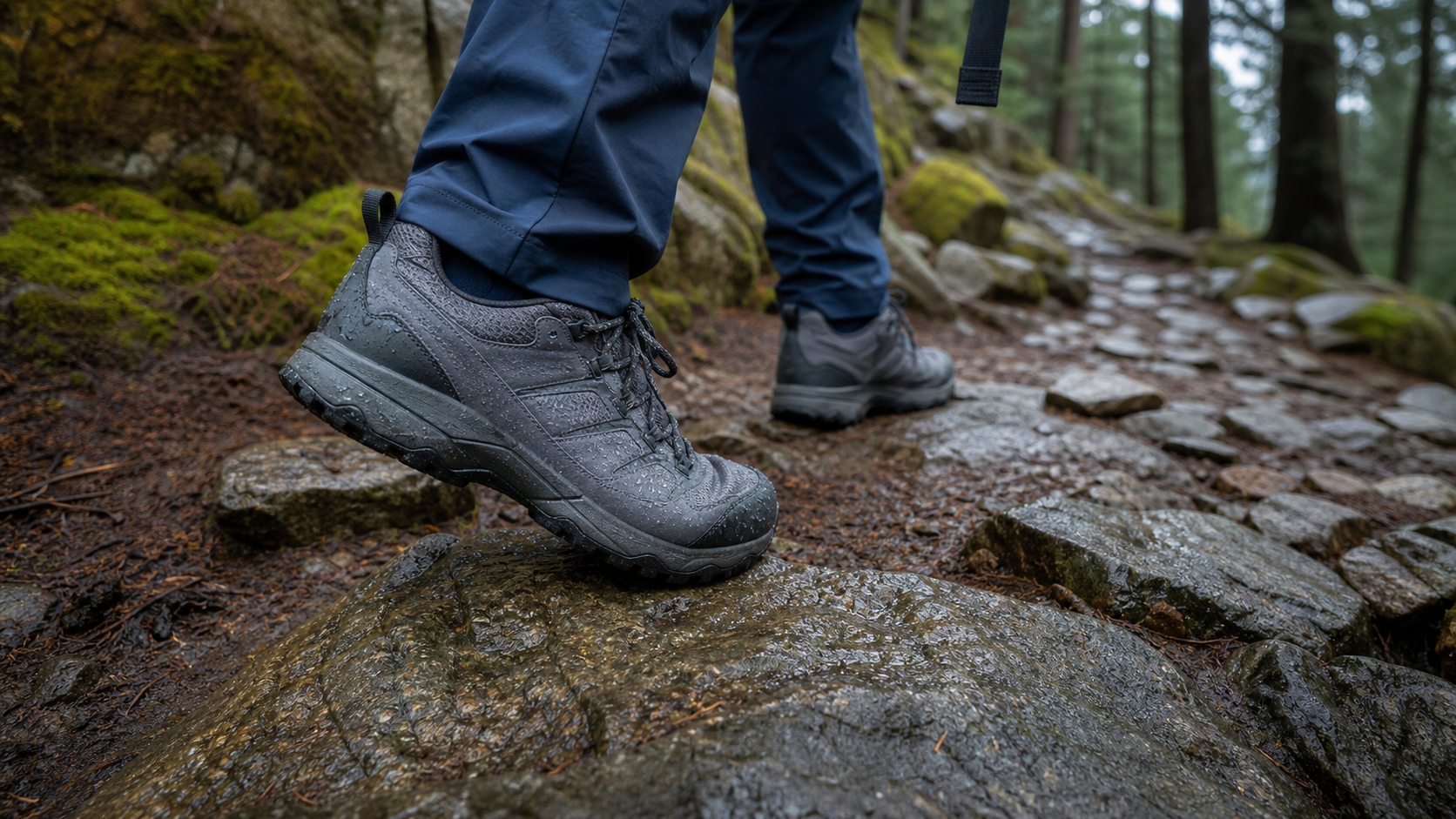
Salomon X Ultra 5 Review: Fast Hiking Support Without Bulk

Salomon X Ultra 5 Review: Fast Hiking Support Without Bulk featured image

Affiliate disclosure: TrekBench may earn a commission from some merchant links. Our recommendations remain independently edited and commissions do not affect verdicts.

Author: Evan Brooks · Last updated: Jul 18, 2026

A field-focused hiking shoe review covering grip, fit, support, waterproofing, and who should choose a lighter fast-hiking shoe.

Quick Verdict

This type of fast hiking shoe suits day hikers who want trail feel and support without moving into a full boot.

Pros

Stable enough for mixed terrain, quicker underfoot than a boot, easier to pack for travel, and comfortable for faster trail days.

Cons

Less ankle coverage than a boot, not ideal for heavy multi-day loads, and fit can be more specific than casual hiking shoes.

Who It Is For

Day hikers, travel hikers, and weekend walkers who move quickly on maintained or moderately technical trails.

Who Should Avoid

Backpackers carrying heavier overnight loads, hikers who need maximum ankle structure, or readers whose feet need a wider forefoot.

Verdict

A fast hiking shoe makes sense when your trips are active, light, and varied. Fit still matters more than category hype.

What the X Ultra 5 Is Built For

Salomon’s X Ultra line is designed for fast hiking: lighter than a traditional boot, with more support than a trail runner. The X Ultra 5 is available in low and mid versions, with and without GORE-TEX. Salomon describes updates such as a redesigned chassis for stability, a Contagrip outsole with aggressive lugs, and a quicker-lacing system. It targets day hikers and lightweight backpackers who want precise footing without bulk.

Grip and Stability

The Contagrip outsole with deep, multi-directional lugs is the main reason people choose this shoe for mixed terrain. Salomon’s chassis is designed to control rolling of the foot on uneven ground. Compared with highly cushioned shoes, the platform sits closer to the ground, which most users find more stable on rock and roots.

Fit

Salomon shoes have traditionally run narrow to standard through the midfoot. Many hikers with wide feet look for the wide version where available or choose a different brand. The Quicklace system tightens evenly and fast, but some people prefer conventional laces for fine-tuning pressure across the instep; check which lacing your chosen version uses.

Waterproofing Trade-offs

The GORE-TEX version keeps feet dry in wet grass, light rain and shallow puddles. In summer heat, a waterproof membrane can lead to sweaty feet. If your trails are mostly dry, or you expect deep crossings where water will enter over the top anyway, the non-waterproof version breathes better and dries faster.

Low vs. Mid

  • Low: lighter, more agile; best for day hikes and well-maintained trails.
  • Mid: more ankle coverage, keeps out debris, and can feel more secure with a loaded pack. A higher collar does not by itself prevent sprains; fit and footwork matter more.

How It Compares

Shoe typeStrengthWeakness
Salomon X Ultra 5Precise, grippy, supportive for weightNarrow fit for some; firm feel
Max-cushion hiking shoeSoft impact, long-mile comfortLess ground feel on technical terrain
Traditional bootSupport for heavy loadsHeavier, slower to dry

Buying Tips

  1. Try on with hiking socks and walk on an incline board if the store has one.
  2. Check that your heel does not lift when walking uphill.
  3. Buy from a retailer with a generous return window so you can test indoors.
  4. Expect outsole life to vary widely with terrain and weight; abrasive rock wears lugs faster.

FAQs

Is this recommendation independent? Yes. TrekBench recommendations are edited independently and affiliate relationships do not decide our verdicts.

How should I use this guide? Use it to shortlist gear, then compare fit, return policies, local conditions, and your actual trip needs.