Posted on

Softshell Jacket vs Wind Shirt for Travel and Hiking

TrekBench Midlayers
Affiliate disclosure: TrekBench may earn a commission from some merchant links. Our recommendations remain independently edited and commissions do not affect verdicts.

Softshells and wind shirts both handle shoulder-season movement, but they differ in breathability, weather resistance, packed size, and comfort.

What matters on a real trip

  • Comfort and usability after the first hour matter more than novelty features.
  • Common failure points include zippers, buckles, locks, seams, coatings, battery doors, and charging ports.
  • Packed size and storage determine whether the item comes on the next trip.
  • Weather and cleaning needs should match the conditions readers actually face.
  • Value means reliable repeat use, not only the lowest checkout price.

Buying notes

We focus on the parts that affect repeat use: comfort after the first hour, setup friction, packed size, weather tolerance, durability at common failure points, cleaning and storage, and whether the item makes sense for weekend travel rather than expedition-only use.

Who should consider it

This article is written for hikers, campers, and travelers who want practical outdoor gear for weekends, road trips, light backpacking, and national-park style travel. Readers planning remote expeditions should use this as a starting point and check specialist guidance before relying on any single item.

TrekBench verdict

A wind shirt is the better small-layer choice; a softshell is better when abrasion and light weather matter more.

Author: TrekBench Editorial
Our editorial desk covers travel, camping, hiking, packs, footwear, apparel, and outdoor electronics for real-world trips.

How Each Layer Works

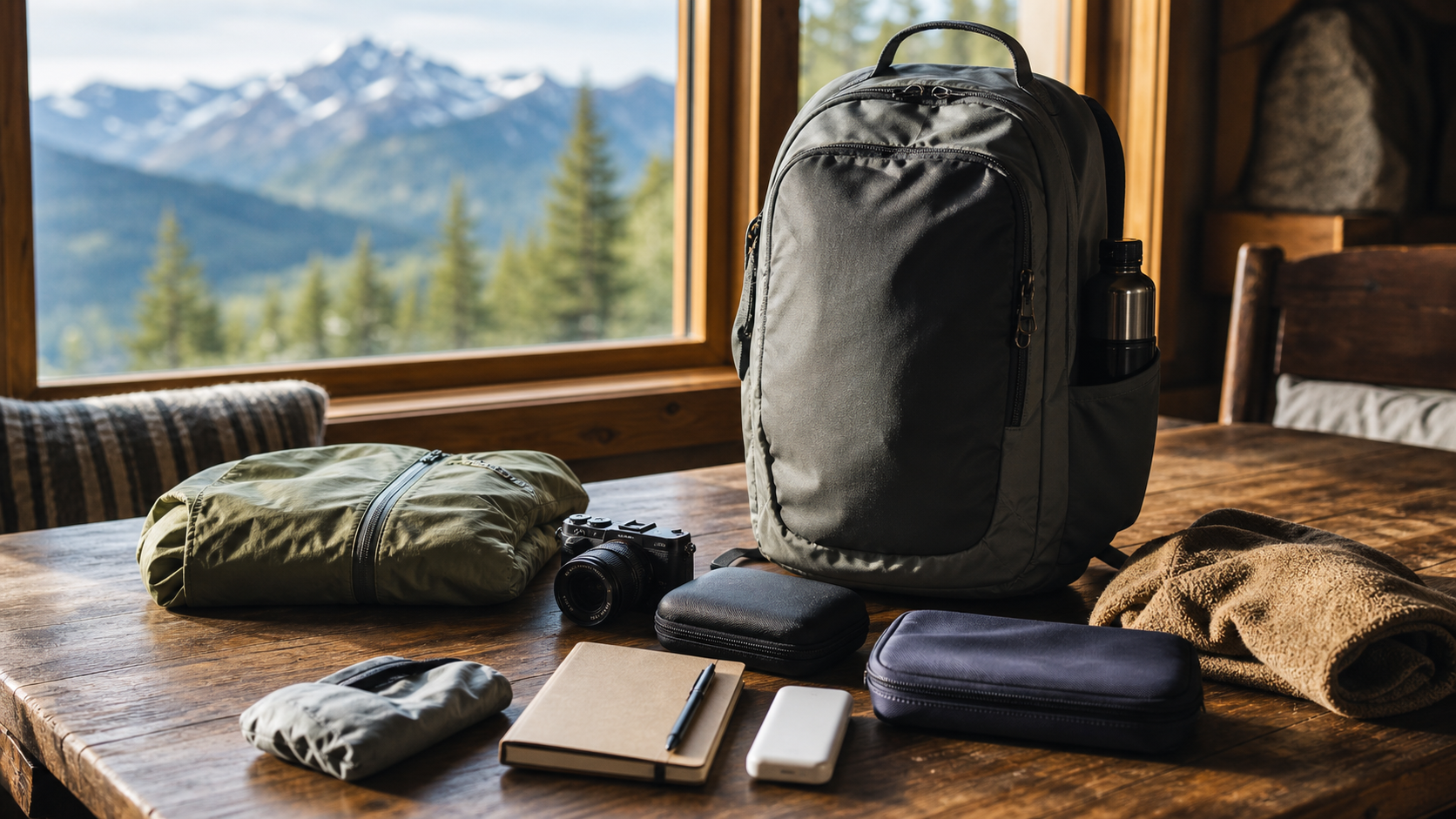
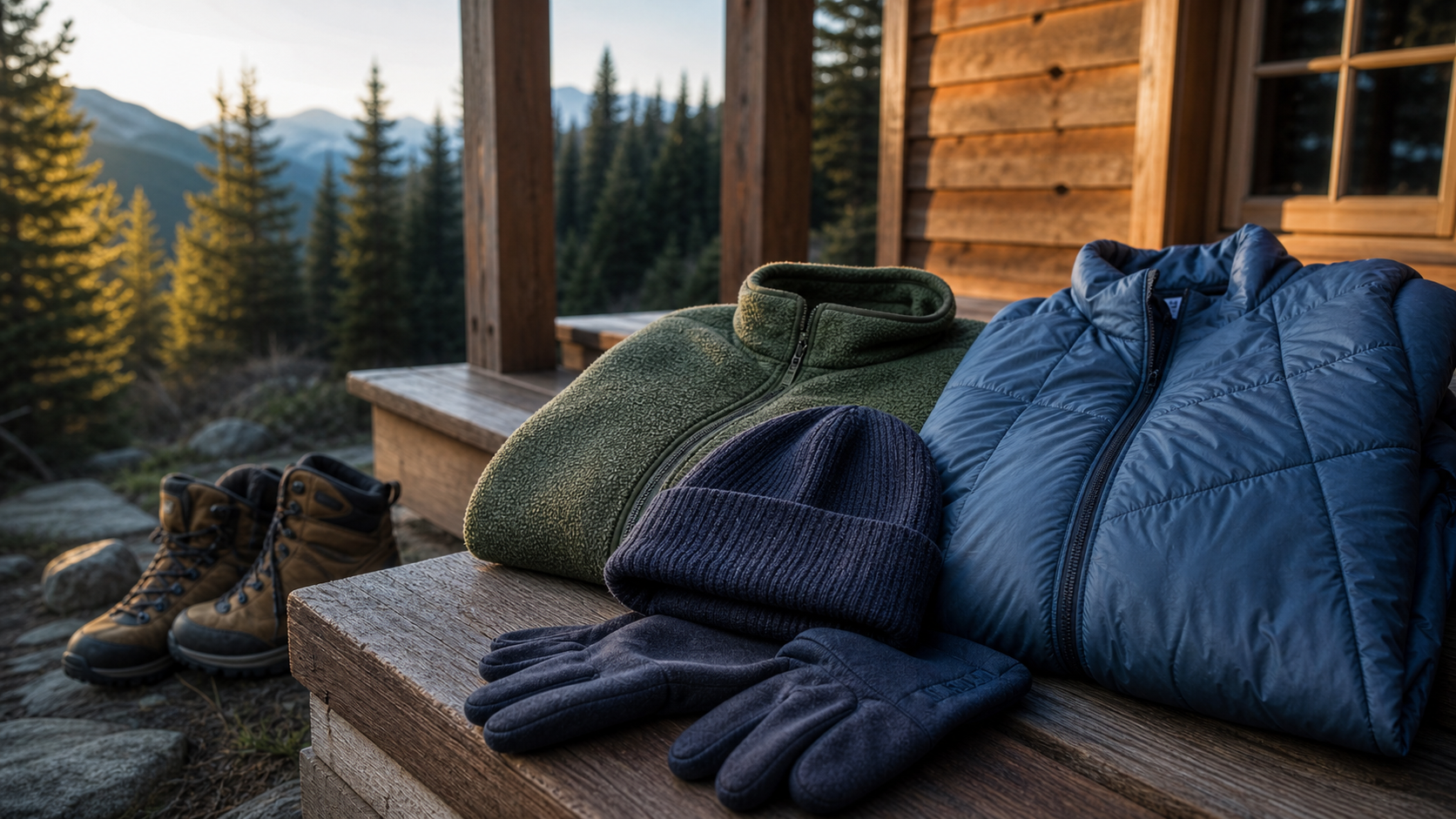
A wind shirt is an ultralight, thin nylon or polyester shell, often under 150 grams, with a durable water repellent (DWR) finish. It blocks wind, sheds light drizzle, and breathes well. A softshell is a heavier, stretchy woven fabric, sometimes with a light fleece backing. It is more abrasion-resistant and warmer, handles light snow and wind, and moves freely, but packs larger.

Comparison

FactorWind shirtSoftshell
Weight / packed sizeVery light, fist-sizedHeavier, bulkier
BreathabilityHighModerate to high
WarmthMinimalSome, especially brushed backers
DurabilityFragile around brush/rockTough, stretchy
RainLight drizzle onlyLight rain only
Best forFast hiking, running, emergency layerClimbing, cold dry days, travel

Neither Is a Rain Jacket

Both rely on DWR, which wears off with use and dirt. For sustained rain you still need a waterproof-breathable shell. Many hikers carry a wind shirt plus a rain shell, because the combination covers more conditions than a softshell alone.

Travel Considerations

For city-to-trail trips, softshells look more like regular jackets and resist wrinkles, which makes them easy to wear on a plane and at dinner. Wind shirts are better when every gram counts or when you need a layer that stuffs into a pocket.

Care Tips

  • Wash with technical fabric cleaner, not regular detergent with softeners.
  • Restore water repellency with a spray-on or wash-in DWR treatment and, if the label allows, low heat in the dryer.
  • Check the fit over a base layer and light fleece so the layer works in a system.

Quick Decision Guide

Choose a wind shirt if you hike fast, sweat a lot, and want an emergency layer that weighs almost nothing. Choose a softshell if you scramble, climb, or travel and want one durable layer that handles cold wind and light weather all day.
Posted on

One-Bag Outdoor Travel Checklist for Weekend Routes

TrekBench Chairs
Affiliate disclosure: TrekBench may earn a commission from some merchant links. Our recommendations remain independently edited and commissions do not affect verdicts.

One-bag outdoor travel works when clothing repeats, toiletries shrink, and the trail kit is chosen around the actual route.

What matters on a real trip

  • Comfort and usability after the first hour matter more than novelty features.
  • Common failure points include zippers, buckles, locks, seams, coatings, battery doors, and charging ports.
  • Packed size and storage determine whether the item comes on the next trip.
  • Weather and cleaning needs should match the conditions readers actually face.
  • Value means reliable repeat use, not only the lowest checkout price.

Buying notes

We focus on the parts that affect repeat use: comfort after the first hour, setup friction, packed size, weather tolerance, durability at common failure points, cleaning and storage, and whether the item makes sense for weekend travel rather than expedition-only use.

Who should consider it

This article is written for hikers, campers, and travelers who want practical outdoor gear for weekends, road trips, light backpacking, and national-park style travel. Readers planning remote expeditions should use this as a starting point and check specialist guidance before relying on any single item.

TrekBench verdict

A good one-bag checklist removes decisions rather than forcing every trip into the same template.

Author: TrekBench Editorial
Our editorial desk covers travel, camping, hiking, packs, footwear, apparel, and outdoor electronics for real-world trips.

Why One Bag Works for Outdoor Weekends

Traveling with one carry-on-sized bag avoids checked-bag fees and wait times, keeps you mobile on shuttles and trails, and forces smart choices. Most airlines in the US allow carry-on bags around 22 x 14 x 9 inches, but limits vary, and budget carriers can be stricter. Check your airline before you pack.

The Checklist

Clothing (wear the bulkiest items)

  • Hiking shoes worn on the plane
  • 2 quick-dry shirts, 1 pair of hiking pants or shorts
  • 1 insulating layer (fleece or light puffy)
  • 1 rain shell
  • 2–3 pairs of merino or synthetic socks, underwear
  • Sun hat, beanie, light gloves for cool mornings

Trail kit

  • Packable daypack (15–20 L) that folds into your main bag
  • Water bottle (empty through security)
  • Headlamp, small first-aid kit, sunscreen in travel size
  • Offline maps on your phone, power bank under 100 Wh

Toiletries

TSA’s 3-1-1 rule allows liquids in containers of 3.4 oz (100 ml) or less in one quart-size bag. Solid sunscreen sticks and bar soap reduce liquid volume.

Prohibited or Restricted Items

Stove fuel canisters, bear spray, and many tools are not allowed in carry-on luggage (and fuel is usually banned in checked bags too). Plan to buy fuel and bear spray at your destination; outdoor shops near trailheads often carry them.

Packing Method

Use packing cubes or compression sacks by category, roll soft clothes, and keep a small “trail pouch” ready to transfer to the daypack.

Posted on

How to Keep Travel Gear Dry Without Overpacking

TrekBench Trekking Poles
Affiliate disclosure: TrekBench may earn a commission from some merchant links. Our recommendations remain independently edited and commissions do not affect verdicts.

Dry bags, pack liners, rain covers, and simple zip bags all have a place. The trick is matching protection to actual risk.

What matters on a real trip

  • Comfort and usability after the first hour matter more than novelty features.
  • Common failure points include zippers, buckles, locks, seams, coatings, battery doors, and charging ports.
  • Packed size and storage determine whether the item comes on the next trip.
  • Weather and cleaning needs should match the conditions readers actually face.
  • Value means reliable repeat use, not only the lowest checkout price.

Buying notes

We focus on the parts that affect repeat use: comfort after the first hour, setup friction, packed size, weather tolerance, durability at common failure points, cleaning and storage, and whether the item makes sense for weekend travel rather than expedition-only use.

Who should consider it

This article is written for hikers, campers, and travelers who want practical outdoor gear for weekends, road trips, light backpacking, and national-park style travel. Readers planning remote expeditions should use this as a starting point and check specialist guidance before relying on any single item.

TrekBench verdict

Use layered protection for electronics and sleep gear, but avoid turning every small item into a packing project.

Author: TrekBench Editorial
Our editorial desk covers travel, camping, hiking, packs, footwear, apparel, and outdoor electronics for real-world trips.

Match Protection to Risk

Not every item needs a dry bag. Sort gear into three tiers: must stay dry (sleeping bag, insulation, electronics, documents), should stay dry (spare clothes, food), and can get wet (rain shell, stove, water bottles).

Options Compared

MethodProtectionWeightNotes
Pack liner (trash compactor bag or purpose-made)High for whole packVery lowMost efficient system
Roll-top dry bagsHigh per itemLow–moderateGood for electronics, sleeping bag
Pack rain coverModerateLowBack panel and straps still soak
Zip-top bagsModerateMinimalGood for phones, documents, snacks

Waterproof Ratings

For electronics, IP ratings describe water resistance; IPX4 handles splashes, while IPX7 handles brief submersion. Dry bags are rarely rated for submersion unless stated, so double-bag critical items on paddle trips.

Travel Tips

  • Keep a dry bag for wet clothes so they don’t soak the rest of your luggage.
  • Pack a microfiber towel and a small bag for muddy shoes.
  • On the plane, keep electronics in a zipped pouch in case of spills.

Drying Gear on the Road

Open bags and hang items as soon as possible; down and electronics should be dried at room temperature, not near direct heat.

Posted on

Carry-On Backpack vs Rolling Duffel for Outdoor Travel

TrekBench Daypacks
Affiliate disclosure: TrekBench may earn a commission from some merchant links. Our recommendations remain independently edited and commissions do not affect verdicts.

Outdoor travel often mixes airports, shuttles, gravel lots, and stairs. The right bag depends on how often you carry versus roll.

What matters on a real trip

  • Comfort and usability after the first hour matter more than novelty features.
  • Common failure points include zippers, buckles, locks, seams, coatings, battery doors, and charging ports.
  • Packed size and storage determine whether the item comes on the next trip.
  • Weather and cleaning needs should match the conditions readers actually face.
  • Value means reliable repeat use, not only the lowest checkout price.

Buying notes

We focus on the parts that affect repeat use: comfort after the first hour, setup friction, packed size, weather tolerance, durability at common failure points, cleaning and storage, and whether the item makes sense for weekend travel rather than expedition-only use.

Who should consider it

This article is written for hikers, campers, and travelers who want practical outdoor gear for weekends, road trips, light backpacking, and national-park style travel. Readers planning remote expeditions should use this as a starting point and check specialist guidance before relying on any single item.

TrekBench verdict

Backpacks win rough transfers; rolling duffels win heavy loads and smooth routes.

Author: TrekBench Editorial
Our editorial desk covers travel, camping, hiking, packs, footwear, apparel, and outdoor electronics for real-world trips.

The Core Question: Carry or Roll?

Outdoor trips often involve surfaces wheels hate: gravel parking lots, dirt roads, stairs, and grass. If more than a short part of the journey involves those, a backpack-style bag is usually easier. If most of your travel is airport corridors and paved sidewalks, wheels save your back.

Comparison

FactorCarry-on backpackRolling duffel
Rough groundExcellentPoor
Airport comfortOK with good harnessExcellent
Weight of empty bagLighterHeavier (wheels, frame)
Capacity in carry-on sizeMore usableWheels use space
Bulky gear (boots, helmets)LimitedEasier

What to Look For

  • Backpacks: padded hip belt, stowable straps, clamshell opening, and a laptop sleeve if needed.
  • Rolling duffels: large wheels, durable fabric (high-denier nylon or TPU coatings), and backpack straps on some hybrids.

Hybrid Options

Some duffels add stow-away shoulder straps, and some wheeled bags include backpack harnesses. Hybrids are heavier but useful if your trip includes both airports and trails.

Airline Sizing

Carry-on limits vary by airline and country. Measure your bag fully packed, including wheels and handles.

Posted on

Best Travel Daypacks for Airport-to-Trail Weekends

TrekBench Daypacks
Affiliate disclosure: TrekBench may earn a commission when readers buy through some merchant links. Our recommendations remain independently edited, and commissions do not affect verdicts.

The best travel daypack is not always the most technical hiking pack. It needs to fit under a seat, carry a jacket and camera, and still feel comfortable on a trail overlook.

Quick verdict

Look for a 20-28L pack with clean organization, comfortable straps, and enough weather resistance for a wet transfer or trail afternoon.

What we looked for

For this buying-guides piece, we focused on the details that matter on real weekends: packability, weather resistance, comfort after several hours of use, setup time, durability, and value. We favor gear that solves common trip problems without adding unnecessary bulk.

Pros

  • Clamshell access helps with travel packing
  • A real water bottle pocket is still useful
  • Padded laptop sleeves can double as map storage

Tradeoffs

  • Too many admin pockets add weight
  • Pure hiking packs can look awkward in cities

Who it is for

This guide is written for travelers, hikers, and campers who want dependable gear for weekend trips, national park travel, car camping, and light backcountry use. It is not aimed at expedition specialists or people chasing the absolute lightest possible kit at any cost.

How to choose

  • Match the trip length. Weekend gear should be comfortable and repeatable, not just impressive on paper.
  • Check the failure points. Zippers, poles, straps, buckles, waterproof coatings, battery covers, and seams usually matter more than headline specs.
  • Think about storage. Good outdoor gear should be easy to dry, clean, recharge, repack, and use again next month.
  • Buy for your weather. A desert road trip, a wet shoulder-season hike, and a humid family campsite need different tradeoffs.

Update note

TrekBench reviews are updated when product lines, availability, field notes, or reader questions change. We keep older recommendations visible when they still explain useful buying decisions.

Author: TrekBench Editorial
Our editorial desk focuses on practical travel, camping, hiking, backpacks, footwear, apparel, and outdoor electronics for real-world trips.

What Makes a Good Travel Daypack

A travel daypack sits between a city backpack and a hiking pack. It should fit under an airline seat, carry a laptop or tablet on travel days, and carry a jacket, water, and snacks on the trail.

Key Features

  • Capacity: 18–28 liters is the sweet spot.
  • Under-seat size: many airlines’ personal item limits are around 18 x 14 x 8 inches; verify yours.
  • Hip belt or sternum strap: improves stability on trail.
  • Water bottle pockets: deep enough to hold a 1 L bottle securely.
  • Padded sleeve: useful for electronics in transit.
  • Materials: high-denier nylon or recycled polyester with water-resistant coating.

Pack Types

TypeGood forTrade-off
Hiking daypack (20–25 L)Trail comfort, ventilationLess organization for tech
Travel daypackAirports, cities, light trailsLess support for heavy loads
Packable daypackFolds into luggageMinimal structure

Security Tips

Lockable zippers and hidden pockets help in crowded areas. Keep passports and wallets in an internal pocket against your back.

Fit

Even small packs fit better when shoulder straps sit close to the neck without pressure and the load rides close to your back.