Posted on

Best Packing Cubes for Carry On (2026): Compression vs Regular

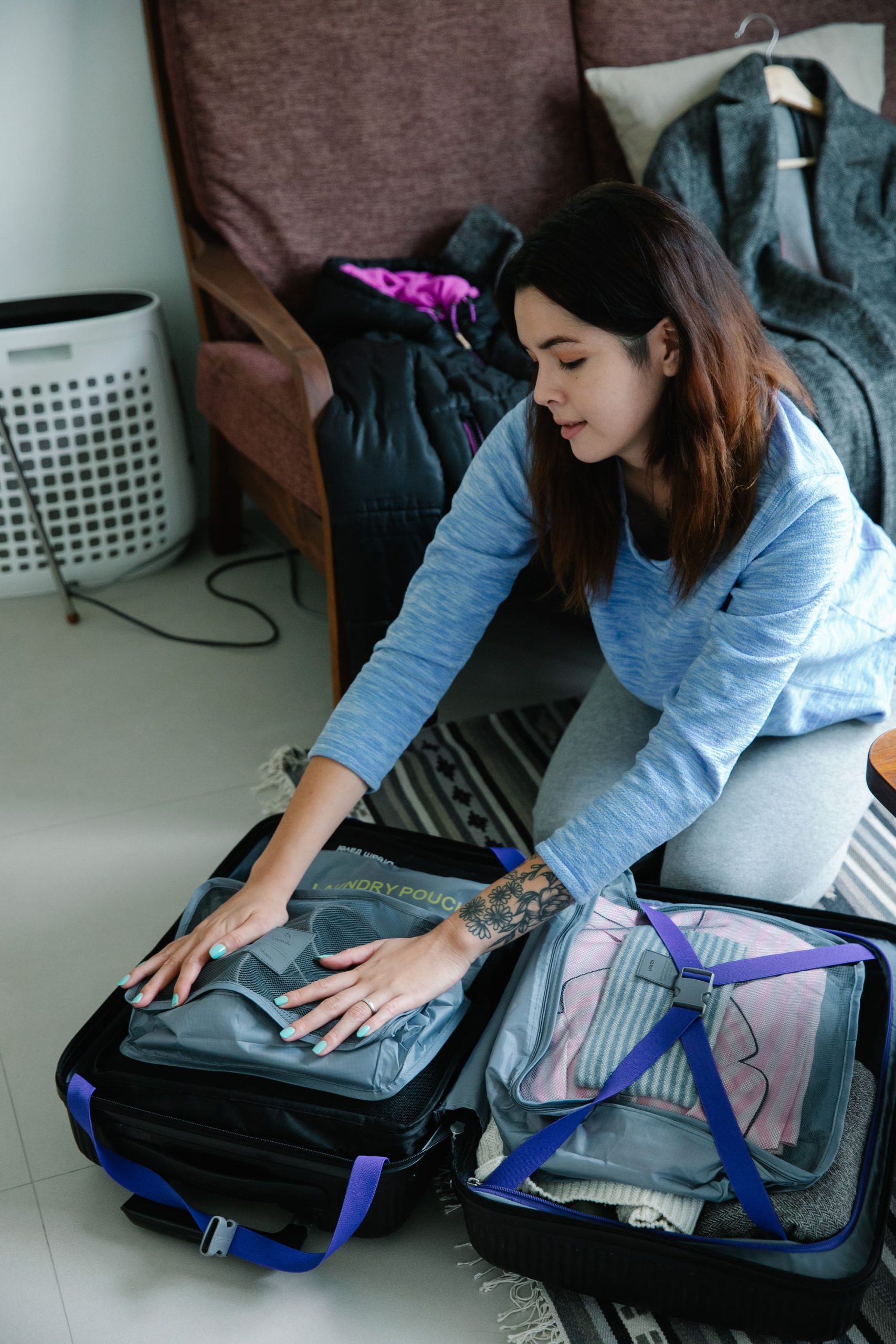
A traveler packing clothes into packing cubes and a laundry pouch inside an open carry-on suitcase

Research note: This is an editorial buying guide, not a product test. Brand specifications and airline or screening rules come from official pages accessed 16 November 2026. TrekBench has not packed a scored set of cubes for this article. Reddit and similar threads are only a debate signal here, not a source of quotes. No invented affiliate buttons.

Quick answer: For most carry-on suitcases, a small mixed set beats one huge cube: one medium cube for shirts or trousers, one or two small cubes for underwear and socks, and a clean/dirty divider or pouch for worn clothes. Choose compression cubes to shrink bulky knits when the compressed cube still fits the bag’s interior. Choose regular cubes for faster access, less wrinkling, or a backpack that does not benefit from rigid, over-compressed blocks. Cubes do not change an airline’s external size limit and do not replace the TSA liquids bag.

What packing cubes actually change

A packing cube is a zippered fabric box that groups clothes by category or by day. The useful effects are organization, compression (if the cube has a second zipper or panel), and the ability to lift one category out of a suitcase without unpacking everything. The effects they do not have: they cannot make a bag that is already over an airline’s linear limit suddenly legal, and they cannot exempt liquids from screening rules.

United Airlines’ official carry-on page, accessed 16 November 2026, says a carry-on must be 9 in × 14 in × 22 in (23 × 35 × 56 cm), including the handle and wheels, and a personal item must be 9 in × 10 in × 17 in. That is one major U.S. carrier’s published limit, not a universal standard. Budget fares and regional aircraft can be stricter, and United notes that Basic Economy usually does not include a full carry-on on many routes. Check the airline and fare you actually booked.

For liquids, the U.S. Transportation Security Administration states that containers of liquids, aerosols, gels, creams, and pastes in carry-on bags are limited to 3.4 ounces (100 milliliters) or less, placed in one quart-sized bag. That is independent of whether the rest of your clothes are in cubes. Keep the liquids bag accessible rather than burying it inside a compressed cube.

Who packing cubes are for — and who can skip them

They are worth considering if you live out of a carry-on for several days, you share a bag and need clear boundaries, you want a clean/dirty split mid-trip, or you already struggle to find items in a stuffed suitcase.

They may not be worth it if you travel overnight with a handful of items, you already roll clothes into a stable packing pattern, you are counting every gram on a backpacking route, or you pack structured garments that show compression wrinkles. An empty cube still has fabric and zipper weight. For weekend trail kits, a single clothing stuff sack plus the packing method in our hiking-backpack packing guide can be simpler. For short outdoor trips that already use a one-bag list, see the one-bag outdoor weekend checklist.

Regular vs compression cubes

A regular packing cube has a single main zipper and holds a relatively fixed shape. A compression cube adds a second zipper, expanding panel, or compression sleeve that reduces the cube’s thickness after it is filled. Official examples help show the scale of the difference without turning this into a brand shoot-out.

Eagle Creek’s official Pack-It Isolate Carry-On Set, listed at $99 on 16 November 2026, includes two small Isolate Compression Cubes, one medium Isolate Compression Cube, and one medium Isolate Clean/Dirty Packing Cube, in 100% ocean-recycled 70D nylon, with the brand’s “No Matter What” warranty language. Official figures: the small compression cube is 10 × 7 × 3 in standard and 10 × 7 × 1 in compressed (3 L to 1 L); the medium is 14 × 10 × 3 in standard and 14 × 10 × 1 in compressed (7 L to 2 L). The clean/dirty cube is 14 × 10 × 4 in and 9 L, with an internal divider rather than a compression zipper.

Peak Design’s official Packing Cube page describes a different brief: a tear-away UltraZip, an internal clean/dirty divider, and a separate expansion/compression zip, in 100% recycled 70D ripstop, Fair Trade Certified, starting at $29.95. Some cubes emphasize shrinking volume; others emphasize fast access and a laundry split in one unit. We have not durability-tested either zipper system.

DecisionRegular cubeCompression cubeClean/dirty or divider cube
Main jobGroup and stack clothesGroup clothes and reduce thicknessSeparate worn and clean items
Best inSuitcases with a predictable interior, or bags where you open cubes oftenCarry-ons that are volume-limited but still within the airline’s external sizeTrips long enough to accumulate laundry
Watch-outsTakes more depth if you overfillCan wrinkle structured shirts; over-compression can stress zippersThe dirty side still needs a packing plan so odors do not spread
Official example (not a ranked winner)A standard, non-compression packing cube from any maker that publishes a single-zip designEagle Creek Isolate Compression Cube S/M (official 3 in down to 1 in depth)Eagle Creek Isolate Clean/Dirty Cube M, or Peak Design’s divider-plus-compression design

Examples and measurements are from official brand pages accessed 16 November 2026. They illustrate types, not a tested ranking.

Size systems: how to build a carry-on set

There is no industry-standard “small/medium/large.” Trust published dimensions, not the name on the label. A practical carry-on set usually uses two or three cubes that lie flat in the main compartment:

  • Small (often around 10 × 7 in): underwear, socks, a sleep layer, cables you still want clothed away from liquids.
  • Medium (often around 14 × 10 in): shirts, trousers, or a compact mid-layer. Eagle Creek’s official medium Isolate compression cube is this footprint.
  • One specialty cube: clean/dirty, or a slim cube that stays in a personal item if the carry-on may be gate-checked.

Measure the bag’s interior, not just the marketing size. A 14 in cube will not sit cleanly in every backpack or under-seat tote. For United’s published personal-item limit of 9 × 10 × 17 in, a 14 × 10 in medium cube is already tight on two axes and may belong in the overhead bag. Leave shoes, toiletries, and leak-prone items out of the cubes.

How to pack a carry-on with cubes

  1. Check your airline’s carry-on and personal-item limits, including handles and wheels, and any fare rule that removes the overhead bag.
  2. Set aside the TSA liquids bag and medication you may need at screening. Do not bury them in a compressed cube.
  3. Fill cubes by category. Roll soft knits; fold structured shirts more loosely if wrinkles matter.
  4. On compression cubes, close the main zipper first, then compress until the cube is firm, not until the slider fights the tape.
  5. Place heavier cubes near suitcase wheels, or against a backpack’s back panel, and keep a spare layer near the top if the bag may be opened at the gate.

If overhead bags may be gate-checked, put a change of clothes and essentials in the personal item. United’s official page recommends keeping medication and similar essentials where you can reach them.

Backpacking vs suitcase use

In a suitcase, cubes shine because the shell is rigid and the interior is a rectangle. Cubes become drawers: you can stack them, lift one out in a hotel room, and leave the others closed.

In a hiking or travel backpack, the same cubes can fight the bag’s need to be a soft, irregular volume. A fully compressed rectangle can leave voids, press against your back, or crowd a reservoir or rain jacket. Prefer fewer, smaller, slightly under-filled cubes, and keep sleep systems in the stuff sacks they were designed for. A sleeping-bag compression sack is not a clothing cube. On mixed travel-and-trail weekends, put travel clothes in one or two cubes and keep the trail kit in the pack’s own pockets.

Durability and zippers

Zippers are the common failure point. Eagle Creek highlights a “durable compression zipper,” and Peak Design markets an UltraZip with abrasion-resistant thread. Treat those as manufacturer statements. Zipper life depends on whether the cube is stuffed past a comfortable close, whether grit gets into the tape, and whether you lift a fully loaded cube by one pull. Close zippers before washing if the maker says the cube is washable (Eagle Creek describes the Isolate clean/dirty cube that way), and retire a cube when the tape separates. Eagle Creek’s “No Matter What” language is a brand promise with its own conditions, not an industry standard.

When packing cubes are not worth it

  • Ultralight backpacking: cube fabric and zippers can weigh more than the organization is worth. A light stuff sack may be enough.
  • Very short trips: one or two nights in a personal item often packs faster without cubes.
  • Wrinkle-sensitive clothes: structured shirts or trousers may do better in a folder or on an uncompressed cube.
  • Already-tight bags: if the suitcase is at the airline’s external limit, compression helps only the interior, not the shell.
  • Fragile zippers: a cube that splits on night two is worse than no cube. Prefer published dimensions and zippers you can inspect in hand.

A simple decision path

  1. Measure your bag’s interior and write down your airline’s official carry-on rule, not a remembered average.
  2. If volume is the problem, look at compression cubes with published compressed depth, such as the official Isolate S/M figures above.
  3. If access and laundry split matter more than shrinking, look at a regular or divider cube (including designs like Peak Design’s combined divider and compression zip).
  4. Buy the smallest set that covers clothes only. Leave shoes, liquids, and electronics out of the cubes.
  5. Skip cubes entirely for overnight hops or gram-conscious trail days.

FAQ

Do packing cubes work in a carry-on backpack as well as a suitcase? Yes, if you choose smaller, softer cubes and do not turn the pack into a stack of rigid blocks. Suitcases usually get more benefit because of their rectangular shell.

Will compression cubes get me a larger airline allowance? No. Official size limits, such as United’s 9 × 14 × 22 in carry-on rule, apply to the bag, including handles and wheels. Compression only changes what fits inside.

Can I put toiletries in a packing cube? You can pack solid toiletries in a cube, but TSA’s 3-1-1 liquids rule still requires qualifying liquids to be in containers of 3.4 oz (100 ml) or less inside a quart-sized bag. Keep that bag easy to remove.

Are compression cubes better than regular cubes? They are better at reducing thickness, not at everything. If you open the bag often or pack wrinkle-sensitive clothes, a regular or divider cube can be the more practical tool.

What size packing cubes should I buy first? Start with one small and one medium in a footprint that matches your bag, then add a clean/dirty cube if the trip is long enough to need one. Ignore generic size names until you check official dimensions.

Sources

Posted on

Softshell Jacket vs Wind Shirt for Travel and Hiking

TrekBench Midlayers
Affiliate disclosure: TrekBench may earn a commission from some merchant links. Our recommendations remain independently edited and commissions do not affect verdicts.

Softshells and wind shirts both handle shoulder-season movement, but they differ in breathability, weather resistance, packed size, and comfort.

What matters on a real trip

  • Comfort and usability after the first hour matter more than novelty features.
  • Common failure points include zippers, buckles, locks, seams, coatings, battery doors, and charging ports.
  • Packed size and storage determine whether the item comes on the next trip.
  • Weather and cleaning needs should match the conditions readers actually face.
  • Value means reliable repeat use, not only the lowest checkout price.

Buying notes

We focus on the parts that affect repeat use: comfort after the first hour, setup friction, packed size, weather tolerance, durability at common failure points, cleaning and storage, and whether the item makes sense for weekend travel rather than expedition-only use.

Who should consider it

This article is written for hikers, campers, and travelers who want practical outdoor gear for weekends, road trips, light backpacking, and national-park style travel. Readers planning remote expeditions should use this as a starting point and check specialist guidance before relying on any single item.

TrekBench verdict

A wind shirt is the better small-layer choice; a softshell is better when abrasion and light weather matter more.

Author: TrekBench Editorial
Our editorial desk covers travel, camping, hiking, packs, footwear, apparel, and outdoor electronics for real-world trips.

How Each Layer Works

A wind shirt is an ultralight, thin nylon or polyester shell, often under 150 grams, with a durable water repellent (DWR) finish. It blocks wind, sheds light drizzle, and breathes well. A softshell is a heavier, stretchy woven fabric, sometimes with a light fleece backing. It is more abrasion-resistant and warmer, handles light snow and wind, and moves freely, but packs larger.

Comparison

FactorWind shirtSoftshell
Weight / packed sizeVery light, fist-sizedHeavier, bulkier
BreathabilityHighModerate to high
WarmthMinimalSome, especially brushed backers
DurabilityFragile around brush/rockTough, stretchy
RainLight drizzle onlyLight rain only
Best forFast hiking, running, emergency layerClimbing, cold dry days, travel

Neither Is a Rain Jacket

Both rely on DWR, which wears off with use and dirt. For sustained rain you still need a waterproof-breathable shell. Many hikers carry a wind shirt plus a rain shell, because the combination covers more conditions than a softshell alone.

Travel Considerations

For city-to-trail trips, softshells look more like regular jackets and resist wrinkles, which makes them easy to wear on a plane and at dinner. Wind shirts are better when every gram counts or when you need a layer that stuffs into a pocket.

Care Tips

  • Wash with technical fabric cleaner, not regular detergent with softeners.
  • Restore water repellency with a spray-on or wash-in DWR treatment and, if the label allows, low heat in the dryer.
  • Check the fit over a base layer and light fleece so the layer works in a system.

Quick Decision Guide

Choose a wind shirt if you hike fast, sweat a lot, and want an emergency layer that weighs almost nothing. Choose a softshell if you scramble, climb, or travel and want one durable layer that handles cold wind and light weather all day.

Posted on

One-Bag Outdoor Travel Checklist for Weekend Routes

TrekBench Chairs
Affiliate disclosure: TrekBench may earn a commission from some merchant links. Our recommendations remain independently edited and commissions do not affect verdicts.

One-bag outdoor travel works when clothing repeats, toiletries shrink, and the trail kit is chosen around the actual route.

What matters on a real trip

  • Comfort and usability after the first hour matter more than novelty features.
  • Common failure points include zippers, buckles, locks, seams, coatings, battery doors, and charging ports.
  • Packed size and storage determine whether the item comes on the next trip.
  • Weather and cleaning needs should match the conditions readers actually face.
  • Value means reliable repeat use, not only the lowest checkout price.

Buying notes

We focus on the parts that affect repeat use: comfort after the first hour, setup friction, packed size, weather tolerance, durability at common failure points, cleaning and storage, and whether the item makes sense for weekend travel rather than expedition-only use.

Who should consider it

This article is written for hikers, campers, and travelers who want practical outdoor gear for weekends, road trips, light backpacking, and national-park style travel. Readers planning remote expeditions should use this as a starting point and check specialist guidance before relying on any single item.

TrekBench verdict

A good one-bag checklist removes decisions rather than forcing every trip into the same template.

Author: TrekBench Editorial
Our editorial desk covers travel, camping, hiking, packs, footwear, apparel, and outdoor electronics for real-world trips.

Why One Bag Works for Outdoor Weekends

Traveling with one carry-on-sized bag avoids checked-bag fees and wait times, keeps you mobile on shuttles and trails, and forces smart choices. Most airlines in the US allow carry-on bags around 22 x 14 x 9 inches, but limits vary, and budget carriers can be stricter. Check your airline before you pack.

The Checklist

Clothing (wear the bulkiest items)

  • Hiking shoes worn on the plane
  • 2 quick-dry shirts, 1 pair of hiking pants or shorts
  • 1 insulating layer (fleece or light puffy)
  • 1 rain shell
  • 2–3 pairs of merino or synthetic socks, underwear
  • Sun hat, beanie, light gloves for cool mornings

Trail kit

  • Packable daypack (15–20 L) that folds into your main bag
  • Water bottle (empty through security)
  • Headlamp, small first-aid kit, sunscreen in travel size
  • Offline maps on your phone, power bank under 100 Wh

Toiletries

TSA’s 3-1-1 rule allows liquids in containers of 3.4 oz (100 ml) or less in one quart-size bag. Solid sunscreen sticks and bar soap reduce liquid volume.

Prohibited or Restricted Items

Stove fuel canisters, bear spray, and many tools are not allowed in carry-on luggage (and fuel is usually banned in checked bags too). Plan to buy fuel and bear spray at your destination; outdoor shops near trailheads often carry them.

Packing Method

Use packing cubes or compression sacks by category, roll soft clothes, and keep a small “trail pouch” ready to transfer to the daypack.

Posted on

How to Keep Travel Gear Dry Without Overpacking

TrekBench Trekking Poles
Affiliate disclosure: TrekBench may earn a commission from some merchant links. Our recommendations remain independently edited and commissions do not affect verdicts.

Dry bags, pack liners, rain covers, and simple zip bags all have a place. The trick is matching protection to actual risk.

What matters on a real trip

  • Comfort and usability after the first hour matter more than novelty features.
  • Common failure points include zippers, buckles, locks, seams, coatings, battery doors, and charging ports.
  • Packed size and storage determine whether the item comes on the next trip.
  • Weather and cleaning needs should match the conditions readers actually face.
  • Value means reliable repeat use, not only the lowest checkout price.

Buying notes

We focus on the parts that affect repeat use: comfort after the first hour, setup friction, packed size, weather tolerance, durability at common failure points, cleaning and storage, and whether the item makes sense for weekend travel rather than expedition-only use.

Who should consider it

This article is written for hikers, campers, and travelers who want practical outdoor gear for weekends, road trips, light backpacking, and national-park style travel. Readers planning remote expeditions should use this as a starting point and check specialist guidance before relying on any single item.

TrekBench verdict

Use layered protection for electronics and sleep gear, but avoid turning every small item into a packing project.

Author: TrekBench Editorial
Our editorial desk covers travel, camping, hiking, packs, footwear, apparel, and outdoor electronics for real-world trips.

Match Protection to Risk

Not every item needs a dry bag. Sort gear into three tiers: must stay dry (sleeping bag, insulation, electronics, documents), should stay dry (spare clothes, food), and can get wet (rain shell, stove, water bottles).

Options Compared

MethodProtectionWeightNotes
Pack liner (trash compactor bag or purpose-made)High for whole packVery lowMost efficient system
Roll-top dry bagsHigh per itemLow–moderateGood for electronics, sleeping bag
Pack rain coverModerateLowBack panel and straps still soak
Zip-top bagsModerateMinimalGood for phones, documents, snacks

Waterproof Ratings

For electronics, IP ratings describe water resistance; IPX4 handles splashes, while IPX7 handles brief submersion. Dry bags are rarely rated for submersion unless stated, so double-bag critical items on paddle trips.

Travel Tips

  • Keep a dry bag for wet clothes so they don’t soak the rest of your luggage.
  • Pack a microfiber towel and a small bag for muddy shoes.
  • On the plane, keep electronics in a zipped pouch in case of spills.

Drying Gear on the Road

Open bags and hang items as soon as possible; down and electronics should be dried at room temperature, not near direct heat.

Posted on

Carry-On Backpack vs Rolling Duffel for Outdoor Travel

TrekBench Daypacks
Affiliate disclosure: TrekBench may earn a commission from some merchant links. Our recommendations remain independently edited and commissions do not affect verdicts.

Outdoor travel often mixes airports, shuttles, gravel lots, and stairs. The right bag depends on how often you carry versus roll.

What matters on a real trip

  • Comfort and usability after the first hour matter more than novelty features.
  • Common failure points include zippers, buckles, locks, seams, coatings, battery doors, and charging ports.
  • Packed size and storage determine whether the item comes on the next trip.
  • Weather and cleaning needs should match the conditions readers actually face.
  • Value means reliable repeat use, not only the lowest checkout price.

Buying notes

We focus on the parts that affect repeat use: comfort after the first hour, setup friction, packed size, weather tolerance, durability at common failure points, cleaning and storage, and whether the item makes sense for weekend travel rather than expedition-only use.

Who should consider it

This article is written for hikers, campers, and travelers who want practical outdoor gear for weekends, road trips, light backpacking, and national-park style travel. Readers planning remote expeditions should use this as a starting point and check specialist guidance before relying on any single item.

TrekBench verdict

Backpacks win rough transfers; rolling duffels win heavy loads and smooth routes.

Author: TrekBench Editorial
Our editorial desk covers travel, camping, hiking, packs, footwear, apparel, and outdoor electronics for real-world trips.

The Core Question: Carry or Roll?

Outdoor trips often involve surfaces wheels hate: gravel parking lots, dirt roads, stairs, and grass. If more than a short part of the journey involves those, a backpack-style bag is usually easier. If most of your travel is airport corridors and paved sidewalks, wheels save your back.

Comparison

FactorCarry-on backpackRolling duffel
Rough groundExcellentPoor
Airport comfortOK with good harnessExcellent
Weight of empty bagLighterHeavier (wheels, frame)
Capacity in carry-on sizeMore usableWheels use space
Bulky gear (boots, helmets)LimitedEasier

What to Look For

  • Backpacks: padded hip belt, stowable straps, clamshell opening, and a laptop sleeve if needed.
  • Rolling duffels: large wheels, durable fabric (high-denier nylon or TPU coatings), and backpack straps on some hybrids.

Hybrid Options

Some duffels add stow-away shoulder straps, and some wheeled bags include backpack harnesses. Hybrids are heavier but useful if your trip includes both airports and trails.

Airline Sizing

Carry-on limits vary by airline and country. Measure your bag fully packed, including wheels and handles.

Posted on

Best Travel Daypacks for Airport-to-Trail Weekends

TrekBench Daypacks
Affiliate disclosure: TrekBench may earn a commission when readers buy through some merchant links. Our recommendations remain independently edited, and commissions do not affect verdicts.

The best travel daypack is not always the most technical hiking pack. It needs to fit under a seat, carry a jacket and camera, and still feel comfortable on a trail overlook.

Quick verdict

Look for a 20-28L pack with clean organization, comfortable straps, and enough weather resistance for a wet transfer or trail afternoon.

What we looked for

For this buying-guides piece, we focused on the details that matter on real weekends: packability, weather resistance, comfort after several hours of use, setup time, durability, and value. We favor gear that solves common trip problems without adding unnecessary bulk.

Pros

  • Clamshell access helps with travel packing
  • A real water bottle pocket is still useful
  • Padded laptop sleeves can double as map storage

Tradeoffs

  • Too many admin pockets add weight
  • Pure hiking packs can look awkward in cities

Who it is for

This guide is written for travelers, hikers, and campers who want dependable gear for weekend trips, national park travel, car camping, and light backcountry use. It is not aimed at expedition specialists or people chasing the absolute lightest possible kit at any cost.

How to choose

  • Match the trip length. Weekend gear should be comfortable and repeatable, not just impressive on paper.
  • Check the failure points. Zippers, poles, straps, buckles, waterproof coatings, battery covers, and seams usually matter more than headline specs.
  • Think about storage. Good outdoor gear should be easy to dry, clean, recharge, repack, and use again next month.
  • Buy for your weather. A desert road trip, a wet shoulder-season hike, and a humid family campsite need different tradeoffs.

Update note

TrekBench reviews are updated when product lines, availability, field notes, or reader questions change. We keep older recommendations visible when they still explain useful buying decisions.

Author: TrekBench Editorial
Our editorial desk focuses on practical travel, camping, hiking, backpacks, footwear, apparel, and outdoor electronics for real-world trips.

What Makes a Good Travel Daypack

A travel daypack sits between a city backpack and a hiking pack. It should fit under an airline seat, carry a laptop or tablet on travel days, and carry a jacket, water, and snacks on the trail.

Key Features

  • Capacity: 18–28 liters is the sweet spot.
  • Under-seat size: many airlines’ personal item limits are around 18 x 14 x 8 inches; verify yours.
  • Hip belt or sternum strap: improves stability on trail.
  • Water bottle pockets: deep enough to hold a 1 L bottle securely.
  • Padded sleeve: useful for electronics in transit.
  • Materials: high-denier nylon or recycled polyester with water-resistant coating.

Pack Types

TypeGood forTrade-off
Hiking daypack (20–25 L)Trail comfort, ventilationLess organization for tech
Travel daypackAirports, cities, light trailsLess support for heavy loads
Packable daypackFolds into luggageMinimal structure

Security Tips

Lockable zippers and hidden pockets help in crowded areas. Keep passports and wallets in an internal pocket against your back.

Fit

Even small packs fit better when shoulder straps sit close to the neck without pressure and the load rides close to your back.