Posted on

Rain Jacket vs Poncho for Hiking and Camp Travel: Which One Should You Pack?

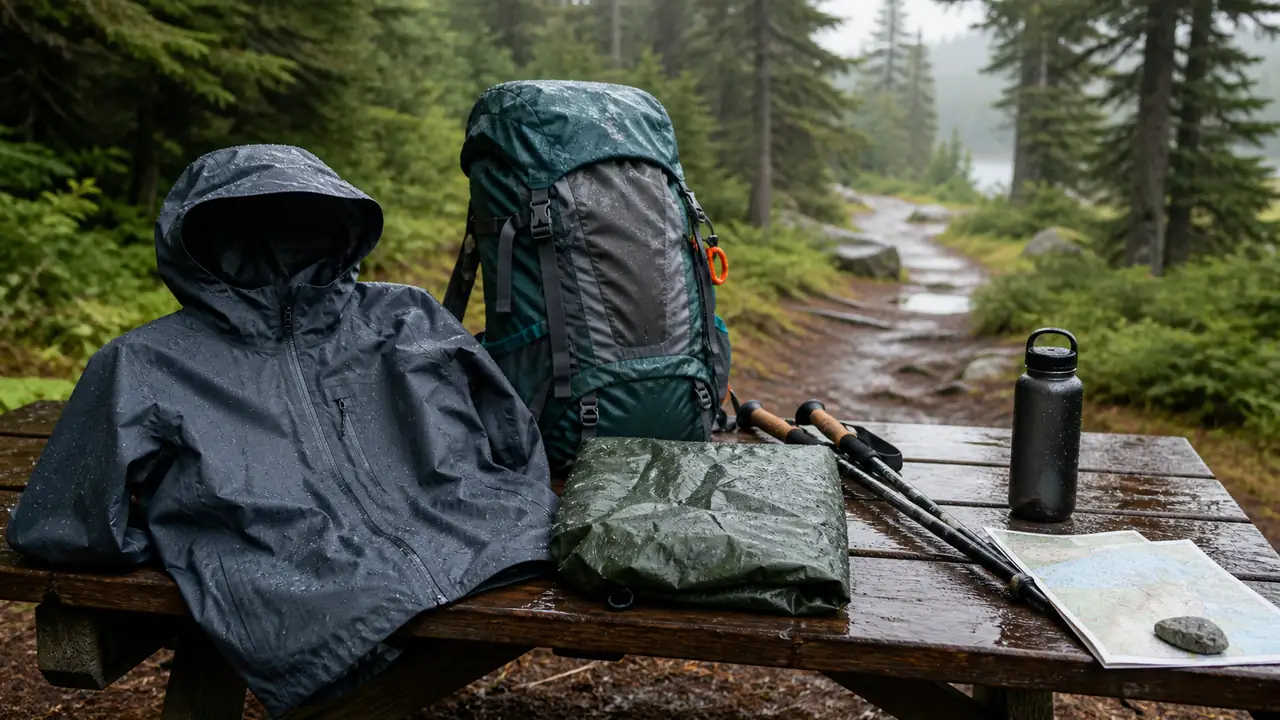
Rain jacket and hiking poncho on a wet campsite bench with backpack and trekking poles

Affiliate disclosure: TrekBench may earn a commission if merchant links are added to this article. This guide is independently edited and based on public outdoor safety guidance, gear specifications, and practical route-planning logic rather than sponsored field testing.

Quick verdict: pack a rain jacket when you expect wind, sustained hiking, brushy trails, colder weather, or a route where reliable movement matters. Pack a poncho when you want cheap, broad rain coverage for warm-weather trails, low-output camp chores, festivals, or emergency backup. For most weekend hikers, a lightweight waterproof-breathable rain jacket is the better primary shell; a poncho is best as a budget or backup tool.

Rain gear looks simple until the weather changes fast. A short drizzle at camp is one thing. A cold, windy ridge walk is another. The National Park Service includes extra clothing such as a rain shell among the Ten Essentials because sudden weather changes can turn a normal day outside into a problem. The right choice is not about which item is more popular. It is about whether your rain protection still works when you are moving, sweating, carrying a pack, and trying to stay warm enough to make good decisions.

The Core Difference

A rain jacket is fitted outerwear. It protects your upper body, seals at the cuffs and hood, and usually works better in wind. A poncho is a loose rain cover. It can drape over both you and part of your backpack, vents well, and packs cheaply, but it can flap, snag, and expose your arms or sides depending on cut and conditions.

Use caseRain jacketPoncho
Windy hikingBetterOften poor
Warm rainCan feel clammyVents well
Backpack coverageNeeds pack cover or linerCan cover small to medium packs
Brushy trailsBetterCan snag
Camp choresGoodVery good for quick coverage

When a Rain Jacket Is the Better Choice

Choose a rain jacket when your route involves real hiking rather than mostly standing around. A jacket stays closer to the body, which matters in wind, on narrow trails, around branches, and while using trekking poles. Adjustable hoods, wrist closures, and hem drawcords also help seal out weather. REI’s rainwear guidance explains that waterproof-breathable shells are designed to block rain while letting sweat vapor escape, which is valuable when the activity gets your lungs and legs working.

A jacket also layers better. You can wear a base layer, fleece, or synthetic midlayer underneath and control warmth more predictably. That becomes important when rain combines with cool air. The CDC notes that hypothermia can occur even above 40°F if a person becomes chilled from rain, sweat, or cold water exposure. On shoulder-season trails, staying dry is not only about comfort.

When a Poncho Makes Sense

A poncho wins on simplicity. It is easy to throw over your body, often covers part of your pack, and creates plenty of airflow underneath. In warm rain, that ventilation can feel better than a jacket that traps heat. A poncho is also useful at camp because you can cover yourself while cooking, sorting gear, or walking to a water source.

For budget kits, a poncho can be a smart emergency layer. It gives more coverage than a tiny disposable rain jacket and can double as a ground cover or quick tarp in some designs. That said, it should not be your only plan for exposed, windy, cold, or technical routes.

The Breathability Trade-Off

Many hikers expect waterproof gear to feel dry inside all the time. That is not how rainwear works. A waterproof-breathable jacket can move sweat vapor better than a slicker, but it can still become clammy when you climb hard, carry a heavy pack, or keep vents closed. Pit zips, pocket vents, and two-way front zippers help.

A poncho breathes because it is open. Air moves from the bottom and sides. That is excellent during warm showers and low-intensity walking, but it also means wind can push rain underneath. If the poncho blows around enough that you keep grabbing it, your hands, sleeves, and pack straps may still get wet.

Backpack Protection

A poncho can cover your pack and body with one item, which is its biggest packing advantage. This works best with smaller daypacks and moderate loads. Large backpacks can pull the poncho up in the back, exposing your legs or creating awkward tension around the shoulders.

With a rain jacket, protect gear separately. Use a pack liner, dry bags, or a pack cover depending on rain risk. TrekBench generally prefers internal dry protection for critical items like sleep layers, electronics, and insulation because pack covers can shift in wind and do not protect against water entering through the back panel.

Fit and Features to Check

For rain jackets: check hood adjustment, cuff closures, hem adjustment, pocket placement with a backpack hipbelt, pit zips, and whether the jacket is long enough to cover your waist when you raise your arms. A good shell should fit over your normal midlayer without feeling like a sail.

For ponchos: check length, side closures, hood shape, pack compatibility, and fabric durability. Ultralight ponchos are easy to carry but can tear faster around branches or repeated use. A poncho that is too short may protect your torso but soak your shorts or pants.

Best Choice by Trip Type

Day hike with a forecast chance of showers: take a lightweight rain jacket. If the weather is warm and the route is mellow, a poncho is acceptable as backup.

Backpacking in mixed weather: take a rain jacket and separate pack protection. Add rain pants or a rain skirt if the forecast is serious.

Car camping: a poncho is surprisingly useful for camp chores, but keep a jacket if you plan to hike away from camp.

Travel plus light outdoor weekends: a packable rain jacket is more versatile in towns, airports, trails, and windy conditions.

Emergency kit: a poncho is inexpensive, compact, and more useful than no rain protection. For frequent hikers, upgrade to a real shell.

What TrekBench Would Pack

For a normal three-season weekend, pack a lightweight waterproof-breathable rain jacket as the primary shell. Add a small pack liner or dry bag for important gear. If the route is warm, low, and camp-focused, a poncho can ride in the car or daypack as extra coverage. If the route is exposed, cold, brushy, or windy, leave the poncho as backup and trust the jacket.

FAQ

Is a poncho enough for hiking?

Sometimes. It can work for warm, low-wind, low-commitment hikes. It is less reliable for windy ridges, cold rain, dense brush, or faster movement.

Do I need rain pants too?

For short warm hikes, maybe not. For cold rain, long exposure, or backpacking, rain pants or a rain skirt can make a major comfort difference.

Can a poncho replace a pack cover?

It can for smaller packs in mild conditions, but critical items should still be protected inside the pack with liners or dry bags.

Why do I still feel wet inside a rain jacket?

Often it is sweat and condensation, not rain leaking through. Open vents, slow your pace, and avoid overdressing under the shell.

Sources

  • National Park Service, “Ten Essentials”
  • CDC, “Preventing Hypothermia”
  • REI Expert Advice, “How to Choose Rainwear”
Posted on

Softshell Jacket vs Wind Shirt for Travel and Hiking

TrekBench Midlayers
Affiliate disclosure: TrekBench may earn a commission from some merchant links. Our recommendations remain independently edited and commissions do not affect verdicts.

Softshells and wind shirts both handle shoulder-season movement, but they differ in breathability, weather resistance, packed size, and comfort.

What matters on a real trip

  • Comfort and usability after the first hour matter more than novelty features.
  • Common failure points include zippers, buckles, locks, seams, coatings, battery doors, and charging ports.
  • Packed size and storage determine whether the item comes on the next trip.
  • Weather and cleaning needs should match the conditions readers actually face.
  • Value means reliable repeat use, not only the lowest checkout price.

Buying notes

We focus on the parts that affect repeat use: comfort after the first hour, setup friction, packed size, weather tolerance, durability at common failure points, cleaning and storage, and whether the item makes sense for weekend travel rather than expedition-only use.

Who should consider it

This article is written for hikers, campers, and travelers who want practical outdoor gear for weekends, road trips, light backpacking, and national-park style travel. Readers planning remote expeditions should use this as a starting point and check specialist guidance before relying on any single item.

TrekBench verdict

A wind shirt is the better small-layer choice; a softshell is better when abrasion and light weather matter more.

Author: TrekBench Editorial
Our editorial desk covers travel, camping, hiking, packs, footwear, apparel, and outdoor electronics for real-world trips.

How Each Layer Works

A wind shirt is an ultralight, thin nylon or polyester shell, often under 150 grams, with a durable water repellent (DWR) finish. It blocks wind, sheds light drizzle, and breathes well. A softshell is a heavier, stretchy woven fabric, sometimes with a light fleece backing. It is more abrasion-resistant and warmer, handles light snow and wind, and moves freely, but packs larger.

Comparison

FactorWind shirtSoftshell
Weight / packed sizeVery light, fist-sizedHeavier, bulkier
BreathabilityHighModerate to high
WarmthMinimalSome, especially brushed backers
DurabilityFragile around brush/rockTough, stretchy
RainLight drizzle onlyLight rain only
Best forFast hiking, running, emergency layerClimbing, cold dry days, travel

Neither Is a Rain Jacket

Both rely on DWR, which wears off with use and dirt. For sustained rain you still need a waterproof-breathable shell. Many hikers carry a wind shirt plus a rain shell, because the combination covers more conditions than a softshell alone.

Travel Considerations

For city-to-trail trips, softshells look more like regular jackets and resist wrinkles, which makes them easy to wear on a plane and at dinner. Wind shirts are better when every gram counts or when you need a layer that stuffs into a pocket.

Care Tips

  • Wash with technical fabric cleaner, not regular detergent with softeners.
  • Restore water repellency with a spray-on or wash-in DWR treatment and, if the label allows, low heat in the dryer.
  • Check the fit over a base layer and light fleece so the layer works in a system.

Quick Decision Guide

Choose a wind shirt if you hike fast, sweat a lot, and want an emergency layer that weighs almost nothing. Choose a softshell if you scramble, climb, or travel and want one durable layer that handles cold wind and light weather all day.

Posted on

Carbon vs Aluminum Trekking Poles: Weight, Durability, and Trail Feel

TrekBench Trekking Poles
Affiliate disclosure: TrekBench may earn a commission when readers buy through some merchant links. Our recommendations remain independently edited, and commissions do not affect verdicts.

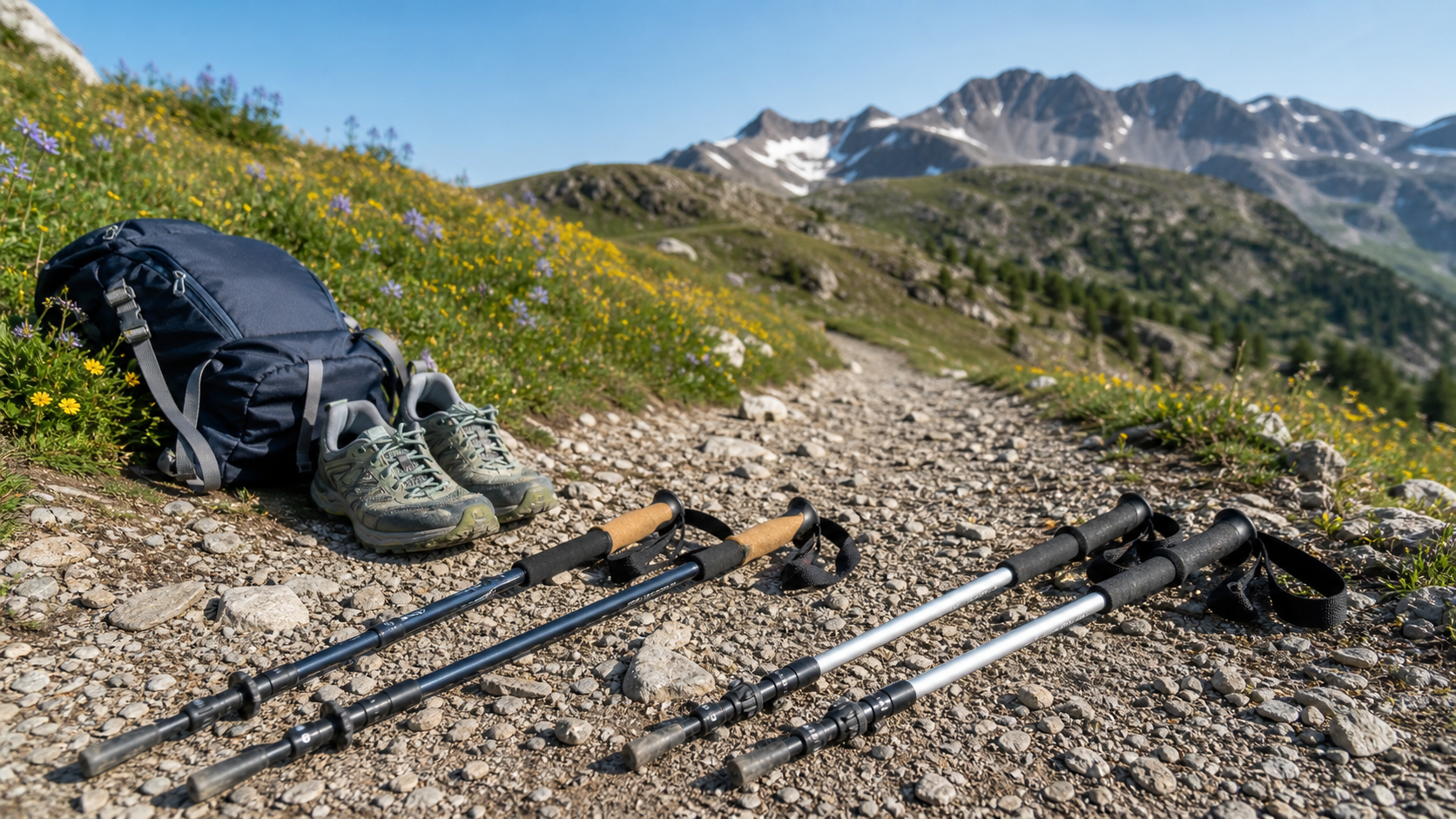
Trekking poles look similar until the trail gets rocky, wet, or long. Carbon and aluminum poles differ in weight, vibration feel, price, and how they fail under stress.

Quick verdict

Carbon is attractive for long-distance weight savings, but aluminum remains the safer value pick for rough trails, travel, and shared family use.

What we looked for

For this comparisons piece, we focused on the details that matter on real weekends: packability, weather resistance, comfort after several hours of use, setup time, durability, and value. We favor gear that solves common trip problems without adding unnecessary bulk.

Pros

  • Carbon poles feel light and reduce swing fatigue
  • Aluminum poles often bend before they break
  • Grip shape matters on long descents

Tradeoffs

  • Carbon can crack from sharp side impacts
  • Cheap locks may slip regardless of material

Who it is for

This guide is written for travelers, hikers, and campers who want dependable gear for weekend trips, national park travel, car camping, and light backcountry use. It is not aimed at expedition specialists or people chasing the absolute lightest possible kit at any cost.

How to choose

  • Match the trip length. Weekend gear should be comfortable and repeatable, not just impressive on paper.
  • Check the failure points. Zippers, poles, straps, buckles, waterproof coatings, battery covers, and seams usually matter more than headline specs.
  • Think about storage. Good outdoor gear should be easy to dry, clean, recharge, repack, and use again next month.
  • Buy for your weather. A desert road trip, a wet shoulder-season hike, and a humid family campsite need different tradeoffs.

Update note

TrekBench reviews are updated when product lines, availability, field notes, or reader questions change. We keep older recommendations visible when they still explain useful buying decisions.

Author: TrekBench Editorial
Our editorial desk focuses on practical travel, camping, hiking, backpacks, footwear, apparel, and outdoor electronics for real-world trips.

Material Basics

Carbon fiber poles are lighter and absorb more vibration, which many hikers find reduces hand and wrist fatigue on long days. Aluminum poles are heavier but tougher under sideways loads: aluminum tends to bend, while carbon can crack or snap if it is stressed sideways, for example when wedged between rocks.

Comparison

FactorCarbonAluminum
Weight per pairTypically lighterHeavier
VibrationDampedMore “ringing”
Failure modeCan snapBends, often still usable
PriceHigherLower
Best forLong-distance, weight-conscious hikersRocky terrain, winter, budget

Locking Mechanisms

External lever locks are easy to adjust with gloves and simple to tighten in the field. Twist locks are lighter but can slip if dirty or cold. Folding (Z-style) poles pack small for travel and running, but often have limited length adjustment.

Grips and Straps

Cork grips mold to your hand and handle sweat well; foam is soft and light; rubber suits cold weather but can cause sweaty hands. Extended foam below the grip lets you choke down on uphill traverses.

Setting the Right Length

On flat ground, set the pole so your elbow is bent near 90 degrees. Shorten slightly for climbs and lengthen for descents. See our trekking pole height guide for a fuller explanation.

Durability Tips

  • Avoid levering your body weight sideways on a planted pole.
  • Dry and separate sections after wet hikes.
  • Replace worn carbide tips; rubber tip covers protect pavement and gear.
Posted on

Fleece vs Synthetic Midlayer: What to Wear When Temperatures Swing

TrekBench Midlayers
Affiliate disclosure: TrekBench may earn a commission when readers buy through some merchant links. Our recommendations remain independently edited, and commissions do not affect verdicts.

Midlayers are where many hikers overpack. Fleece and synthetic insulation both work, but they solve different temperature problems and layer differently under a shell.

Quick verdict

Use fleece for steady movement and synthetic insulation for chilly breaks. In shoulder season, many hikers carry one light fleece plus a compact puffy.

What we looked for

For this comparisons piece, we focused on the details that matter on real weekends: packability, weather resistance, comfort after several hours of use, setup time, durability, and value. We favor gear that solves common trip problems without adding unnecessary bulk.

Pros

  • Fleece breathes well during active hiking
  • Synthetic insulation is warmer during stops
  • Both dry faster than cotton layers

Tradeoffs

  • Bulky fleece can crowd a rain shell
  • Insulated jackets can overheat while climbing

Who it is for

This guide is written for travelers, hikers, and campers who want dependable gear for weekend trips, national park travel, car camping, and light backcountry use. It is not aimed at expedition specialists or people chasing the absolute lightest possible kit at any cost.

How to choose

  • Match the trip length. Weekend gear should be comfortable and repeatable, not just impressive on paper.
  • Check the failure points. Zippers, poles, straps, buckles, waterproof coatings, battery covers, and seams usually matter more than headline specs.
  • Think about storage. Good outdoor gear should be easy to dry, clean, recharge, repack, and use again next month.
  • Buy for your weather. A desert road trip, a wet shoulder-season hike, and a humid family campsite need different tradeoffs.

Update note

TrekBench reviews are updated when product lines, availability, field notes, or reader questions change. We keep older recommendations visible when they still explain useful buying decisions.

Author: TrekBench Editorial
Our editorial desk focuses on practical travel, camping, hiking, backpacks, footwear, apparel, and outdoor electronics for real-world trips.

Fleece and Synthetic Insulation Explained

Fleece is a knitted polyester fabric that traps air. It breathes well, stays warm when damp, and handles abrasion, but blocks little wind and is bulky for its warmth. Synthetic insulated jackets use polyester fill (such as PrimaLoft or Coreloft) inside a wind-resistant shell. They provide more warmth for their weight, pack smaller, and block wind, but are less breathable when you are working hard.

Comparison

FleeceSynthetic jacket
Breathability while movingExcellentModerate (active insulation is better)
Wind resistanceLowGood
Warmth per weightModerateHigher
PackabilityBulkyCompressible
DurabilityHighShell can snag

When Temperatures Swing

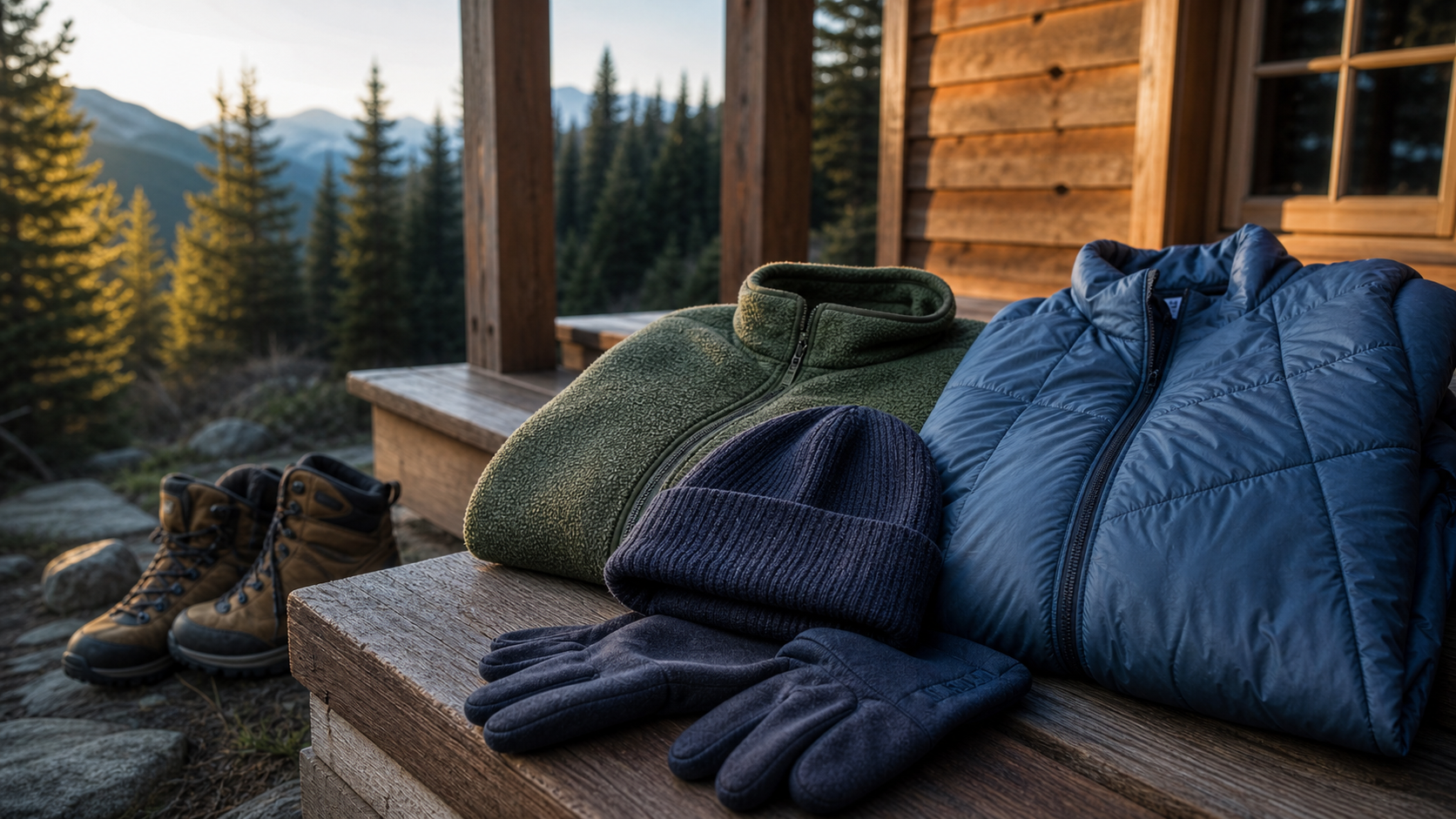
For cold mornings and warm afternoons, a light grid fleece (100-weight) is easy to wear while moving. For stops, summits and camp, a synthetic jacket over it adds warmth quickly. “Active insulation” jackets (lightly insulated, highly breathable) try to bridge both roles.

Layering Strategy

  1. Base layer that wicks sweat.
  2. Midlayer while moving (fleece or active insulation).
  3. Puffy for stops.
  4. Shell for wind and rain.

Add or remove a layer before you get sweaty or chilled, not after.

Posted on

Carry-On Backpack vs Rolling Duffel for Outdoor Travel

TrekBench Daypacks
Affiliate disclosure: TrekBench may earn a commission from some merchant links. Our recommendations remain independently edited and commissions do not affect verdicts.

Outdoor travel often mixes airports, shuttles, gravel lots, and stairs. The right bag depends on how often you carry versus roll.

What matters on a real trip

  • Comfort and usability after the first hour matter more than novelty features.
  • Common failure points include zippers, buckles, locks, seams, coatings, battery doors, and charging ports.
  • Packed size and storage determine whether the item comes on the next trip.
  • Weather and cleaning needs should match the conditions readers actually face.
  • Value means reliable repeat use, not only the lowest checkout price.

Buying notes

We focus on the parts that affect repeat use: comfort after the first hour, setup friction, packed size, weather tolerance, durability at common failure points, cleaning and storage, and whether the item makes sense for weekend travel rather than expedition-only use.

Who should consider it

This article is written for hikers, campers, and travelers who want practical outdoor gear for weekends, road trips, light backpacking, and national-park style travel. Readers planning remote expeditions should use this as a starting point and check specialist guidance before relying on any single item.

TrekBench verdict

Backpacks win rough transfers; rolling duffels win heavy loads and smooth routes.

Author: TrekBench Editorial
Our editorial desk covers travel, camping, hiking, packs, footwear, apparel, and outdoor electronics for real-world trips.

The Core Question: Carry or Roll?

Outdoor trips often involve surfaces wheels hate: gravel parking lots, dirt roads, stairs, and grass. If more than a short part of the journey involves those, a backpack-style bag is usually easier. If most of your travel is airport corridors and paved sidewalks, wheels save your back.

Comparison

FactorCarry-on backpackRolling duffel
Rough groundExcellentPoor
Airport comfortOK with good harnessExcellent
Weight of empty bagLighterHeavier (wheels, frame)
Capacity in carry-on sizeMore usableWheels use space
Bulky gear (boots, helmets)LimitedEasier

What to Look For

  • Backpacks: padded hip belt, stowable straps, clamshell opening, and a laptop sleeve if needed.
  • Rolling duffels: large wheels, durable fabric (high-denier nylon or TPU coatings), and backpack straps on some hybrids.

Hybrid Options

Some duffels add stow-away shoulder straps, and some wheeled bags include backpack harnesses. Hybrids are heavier but useful if your trip includes both airports and trails.

Airline Sizing

Carry-on limits vary by airline and country. Measure your bag fully packed, including wheels and handles.

Posted on

Satellite Messenger vs Personal Locator Beacon for Weekend Trips

TrekBench Camp Kitchen
Affiliate disclosure: TrekBench may earn a commission from some merchant links. Our recommendations remain independently edited and commissions do not affect verdicts.

Satellite messengers and PLBs answer different safety questions: ongoing communication, emergency alerts, subscription cost, and simplicity.

What matters on a real trip

  • Comfort and usability after the first hour matter more than novelty features.
  • Common failure points include zippers, buckles, locks, seams, coatings, battery doors, and charging ports.
  • Packed size and storage determine whether the item comes on the next trip.
  • Weather and cleaning needs should match the conditions readers actually face.
  • Value means reliable repeat use, not only the lowest checkout price.

Buying notes

We focus on the parts that affect repeat use: comfort after the first hour, setup friction, packed size, weather tolerance, durability at common failure points, cleaning and storage, and whether the item makes sense for weekend travel rather than expedition-only use.

Who should consider it

This article is written for hikers, campers, and travelers who want practical outdoor gear for weekends, road trips, light backpacking, and national-park style travel. Readers planning remote expeditions should use this as a starting point and check specialist guidance before relying on any single item.

TrekBench verdict

Choose based on route remoteness and communication needs, not just device popularity.

Author: TrekBench Editorial
Our editorial desk covers travel, camping, hiking, packs, footwear, apparel, and outdoor electronics for real-world trips.

How the Systems Differ

A personal locator beacon (PLB) transmits a 406 MHz distress signal to the international COSPAS-SARSAT satellite system, which relays your location to government search-and-rescue authorities. PLBs need no subscription, but in the US they must be registered with NOAA, and registration is free. A satellite messenger (Garmin inReach, ZOLEO, SPOT and others) uses commercial satellite networks for SOS plus, on two-way devices, text messaging, tracking, and weather. These require a paid service plan.

Comparison

PLBSatellite messenger
SubscriptionNoneRequired
Two-way messagingNoYes (on two-way models)
Non-emergency check-insNoYes
BatteryLong shelf life, single-use emergency transmitRechargeable, needs management
Rescue routingGovernment SARPrivate coordination center that alerts SAR

Which to Choose

Choose a PLB if you want a simple, low-maintenance last resort and rarely need to communicate otherwise. Choose a satellite messenger if you want to send “I’m OK” updates, coordinate with family, or describe the nature of an emergency. Some hikers on very remote trips carry both.

Smartphone Satellite SOS

Some recent smartphones offer emergency satellite messaging in supported countries. It can be a useful backup, but coverage, cost after the free period, and battery life vary. Check your phone’s documentation rather than assuming it replaces a dedicated device.

Good Practice

  • Register PLBs and keep contact info updated.
  • Carry the device on your body, not deep in a pack.
  • Leave a trip plan with someone at home either way.
Posted on

Merrell Moab vs Hoka Anacapa: Comfort, Grip, and Fit

Merrell Moab vs Hoka Anacapa: Comfort, Grip, and Fit featured image

Affiliate disclosure: TrekBench may earn a commission from some merchant links. Our recommendations remain independently edited and commissions do not affect verdicts.

Author: Evan Brooks · Last updated: Jun 30, 2026

A hiking footwear comparison for readers choosing between traditional support and cushioned modern trail comfort.

Comparison Verdict

Traditional hiking shoes tend to feel familiar and planted, while cushioned fast-hiking designs can feel smoother over long easy miles.

Comfort

Comfort depends on foot shape, midsole feel, heel hold, and how the shoe behaves after several hours, not just how soft it feels in the first minute.

Grip and Stability

Grip must be judged on wet rock, dusty trail, roots, and downhill braking. Stability matters most when tired feet get sloppy.

Fit Notes

Readers with wide feet, narrow heels, or arch sensitivity should treat fit as the deciding factor.

Who Should Choose Traditional Support

Choose a more classic hiking shoe if you value predictable structure, durable uppers, and a grounded trail feel.

Who Should Choose Cushioning

Choose a cushioned platform if your hikes involve long approaches, hard-packed trails, and comfort-first travel days.

Two Different Design Philosophies

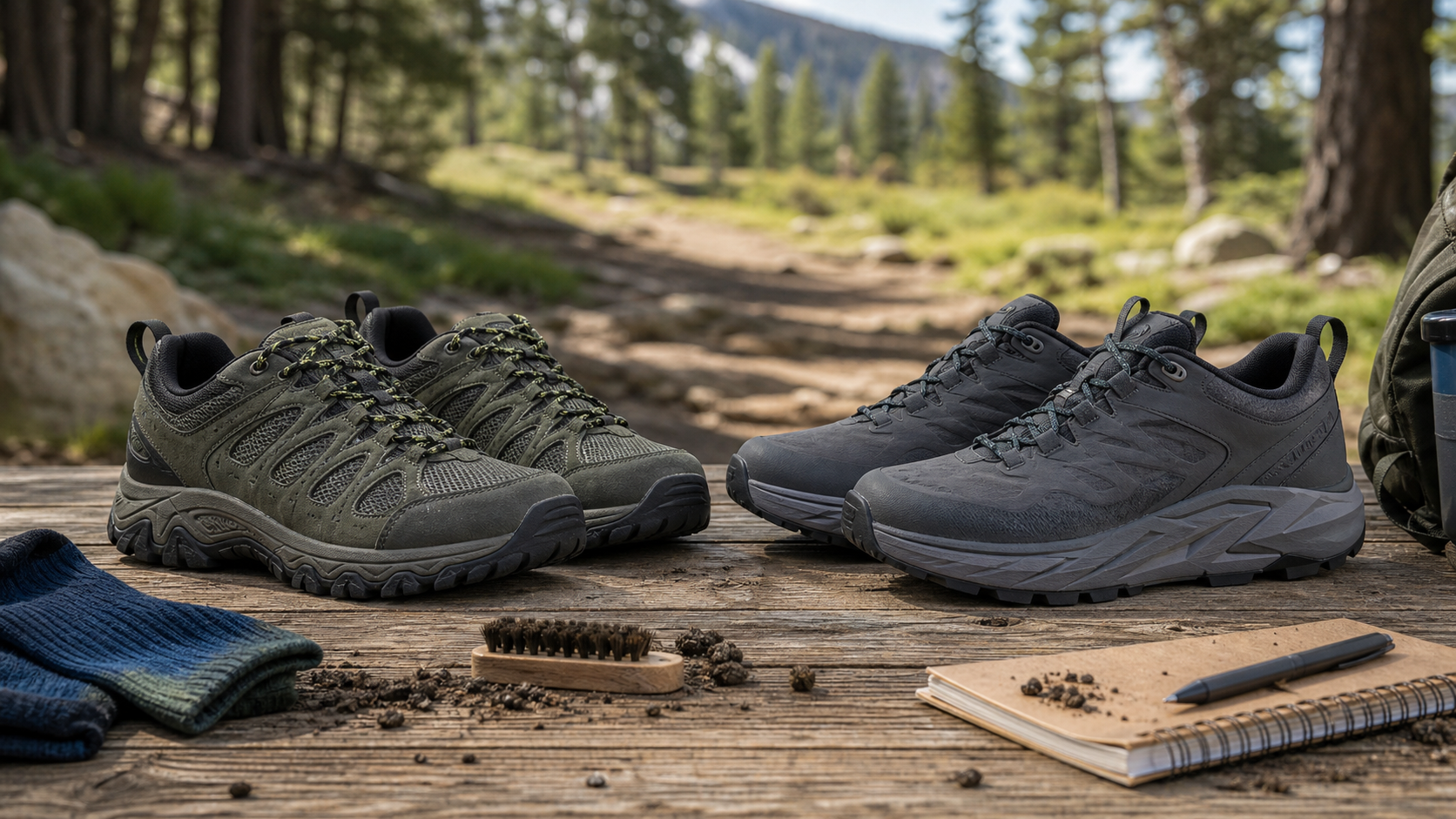
The Merrell Moab line has been one of the best-selling hiking shoes for well over a decade. Its design is traditional: a supportive midsole with a heel cup, a Vibram outsole, and a fit that many people with average to slightly wide feet find comfortable from the first wear. The Hoka Anacapa series takes the brand’s running-shoe approach to hiking: a thicker, softer, rockered midsole that reduces impact and helps roll the foot forward, often with a more modern, lighter upper.

Neither is objectively better. The right pick depends on your feet, your terrain, and what kind of comfort you value: stable and grounded, or cushioned and smooth.

Comfort and Cushioning

Readers and reviewers consistently describe the Moab as comfortable with little break-in, with a moderate cushion that feels firm compared with Hoka. The Anacapa’s higher stack absorbs more impact on hard-packed trails and long descents, which many hikers with sore knees or plantar fasciitis appreciate. The trade-off is ground feel: a high stack can feel less precise on uneven, rocky terrain, and some hikers feel less stable when the foot sits higher above the ground.

Grip and Stability

Both lines use Vibram rubber outsoles in most versions. Moab lugs are well suited to mixed dirt and rock, while Anacapa versions typically have multi-directional lugs suited to general trail use. Stability comes from different places: the Moab relies on a structured heel and a lower platform; the Anacapa relies on a wide base and rocker geometry. On off-camber ground, a lower shoe is usually easier to control.

Fit Notes

  • Moab: generally a roomy toe box; wide sizes are widely available.
  • Anacapa: a more performance-shaped fit; wide versions exist for some models.
  • Try shoes later in the day when feet are slightly swollen, with the socks you hike in.
  • Leave about a thumb’s width of space in front of the longest toe for descents.

Waterproof vs. Breathable Versions

Both lines come in waterproof (often GORE-TEX) and non-waterproof versions. Waterproof membranes keep out puddles and morning dew but trap heat and take longer to dry once water gets in over the collar. In hot, dry climates or for river-crossing routes, a breathable mesh version often ends up more comfortable.

How to Decide

If you…Lean toward
Want a familiar, stable shoe with easy fitMerrell Moab
Have joint pain or hike long hard-packed milesHoka Anacapa
Hike rocky, technical, off-camber trailsMoab (lower platform)
Prefer lighter, running-shoe feelAnacapa
Have wide feet and want many size optionsMoab

Prices and current versions change often; check both brands’ sites and retailer return policies so you can try them on at home.

FAQs

Is this recommendation independent? Yes. TrekBench recommendations are edited independently and affiliate relationships do not decide our verdicts.

How should I use this guide? Use it to shortlist gear, then compare fit, return policies, local conditions, and your actual trip needs.

Posted on

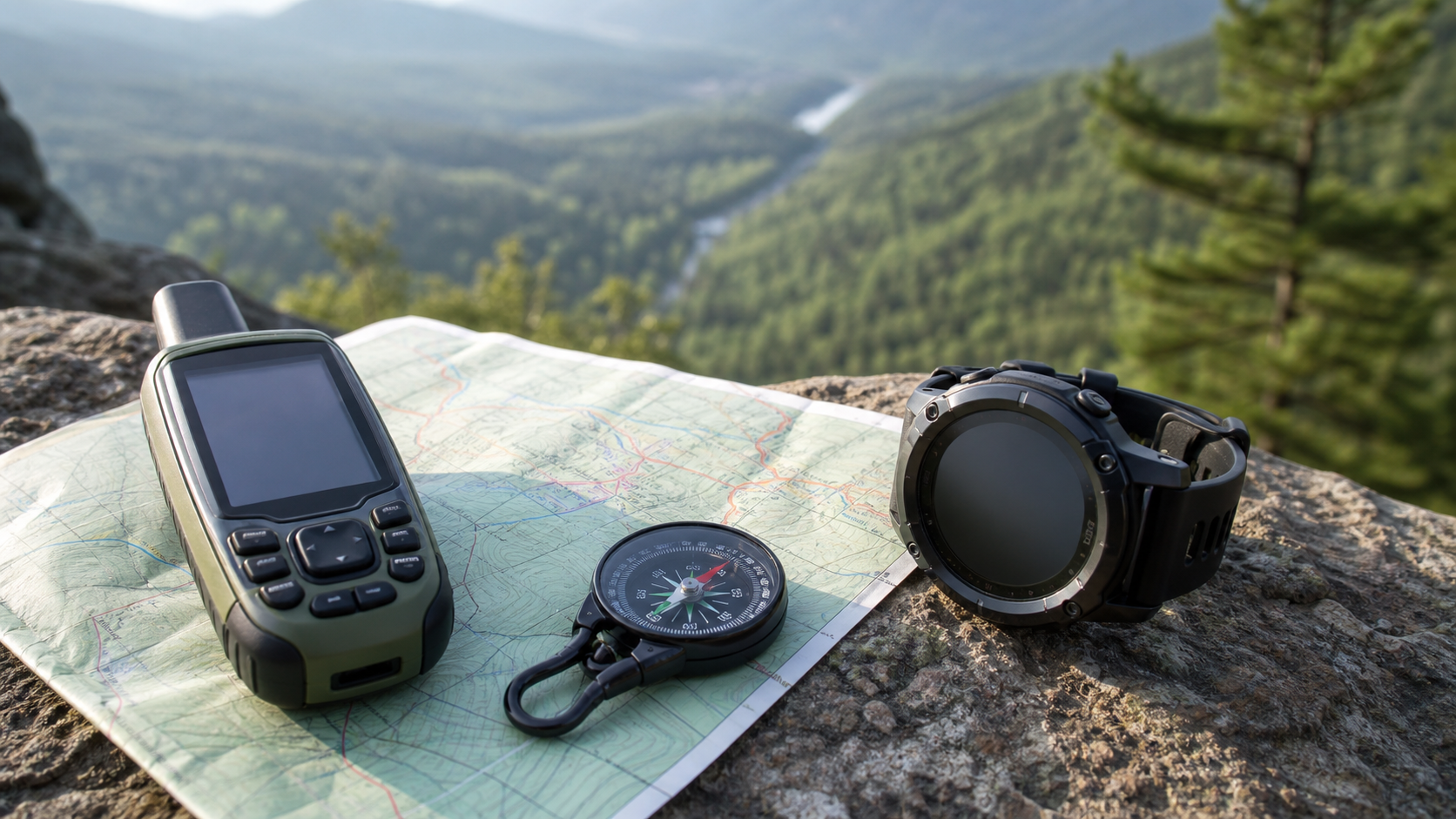
GPS Watch vs Handheld Navigator: What Hikers Actually Need

TrekBench Navigation
Affiliate disclosure: TrekBench may earn a commission when readers buy through some merchant links. Our recommendations remain independently edited, and commissions do not affect verdicts.

Navigation gear is easy to overbuy. A GPS watch, phone app, paper map, and handheld navigator all solve different problems, and the right setup depends on route risk and battery discipline.

Quick verdict

For marked day hikes, a phone map plus watch is often enough. For remote terrain, add a paper map and a dedicated backup with fresh batteries.

What we looked for

For this comparisons piece, we focused on the details that matter on real weekends: packability, weather resistance, comfort after several hours of use, setup time, durability, and value. We favor gear that solves common trip problems without adding unnecessary bulk.

Pros

  • Watches are great for pace, distance, and quick checks
  • Handheld units offer better controls with gloves
  • Paper maps still matter when electronics fail

Tradeoffs

  • Small screens limit route planning
  • Satellite features can increase subscription cost

Who it is for

This guide is written for travelers, hikers, and campers who want dependable gear for weekend trips, national park travel, car camping, and light backcountry use. It is not aimed at expedition specialists or people chasing the absolute lightest possible kit at any cost.

How to choose

  • Match the trip length. Weekend gear should be comfortable and repeatable, not just impressive on paper.
  • Check the failure points. Zippers, poles, straps, buckles, waterproof coatings, battery covers, and seams usually matter more than headline specs.
  • Think about storage. Good outdoor gear should be easy to dry, clean, recharge, repack, and use again next month.
  • Buy for your weather. A desert road trip, a wet shoulder-season hike, and a humid family campsite need different tradeoffs.

Update note

TrekBench reviews are updated when product lines, availability, field notes, or reader questions change. We keep older recommendations visible when they still explain useful buying decisions.

Author: TrekBench Editorial
Our editorial desk focuses on practical travel, camping, hiking, backpacks, footwear, apparel, and outdoor electronics for real-world trips.

Watch vs. Handheld: Different Strengths

GPS watches (Garmin Fenix and Instinct, Coros, Suunto and others) put your location, elevation, breadcrumb track and often topo maps on your wrist. Handheld GPS units (such as the Garmin GPSMAP and eTrex lines) have larger screens, physical buttons, longer battery life on replaceable batteries in some models, and stronger antennas in many cases.

Comparison

FactorGPS watchHandheld GPS
Screen sizeSmallLarger, easier to read maps
ConvenienceAlways on wristMust be pulled out
BatteryDays to weeks depending on GPS modeLong; some use AA batteries
Fitness featuresHeart rate, training metricsMinimal
Glove useSmall buttonsLarge buttons

Where the Phone Fits

A smartphone with offline maps is now the most common navigator, with the best screen and maps. Its weaknesses are battery life, fragility, and cold. Many hikers use a phone for planning and detailed navigation, and a watch for quick checks and track recording.

Multi-band GNSS

Newer watches and handhelds support multi-band (dual-frequency) GNSS, which can improve accuracy near cliffs, in canyons and under tree cover, at the cost of more battery drain.

Choosing

Pick a watch if you want fitness tracking plus quick navigation. Pick a handheld if you navigate off-trail often, travel in cold conditions, or need long battery life. In either case, carry a paper map and compass as backup.

Posted on

Osprey Talon vs Gregory Zulu: Which Pack Carries Better?

Osprey Talon vs Gregory Zulu: Which Pack Carries Better? featured image

Affiliate disclosure: TrekBench may earn a commission from some merchant links. Our recommendations remain independently edited and commissions do not affect verdicts.

Author: Nina Hart · Last updated: Jul 11, 2026

A practical backpack comparison focused on suspension, ventilation, pocket access, weekend load comfort, and trip fit.

Comparison Verdict

One pack style favors nimble day hiking and lighter weekends; the other favors more structure and comfort under a fuller load.

Carry Comfort

A good comparison starts with load transfer. Shoulder comfort, hipbelt wrap, back-panel shape, and ventilation matter more than listed volume alone.

Pocket Layout

We look for bottle access, hipbelt usefulness, lid organization, rain layer storage, and whether essentials can be reached without unpacking everything.

Who Should Choose a Lighter Pack

Choose the more agile design if you hike faster, pack simply, and rarely carry bulky camp gear.

Who Should Choose More Structure

Choose the more supportive design if you carry camera gear, extra layers, family items, or weekend camping basics.

Verdict

The better pack is the one that matches your normal load, not the one that looks cleaner when empty.

The Packs in Context

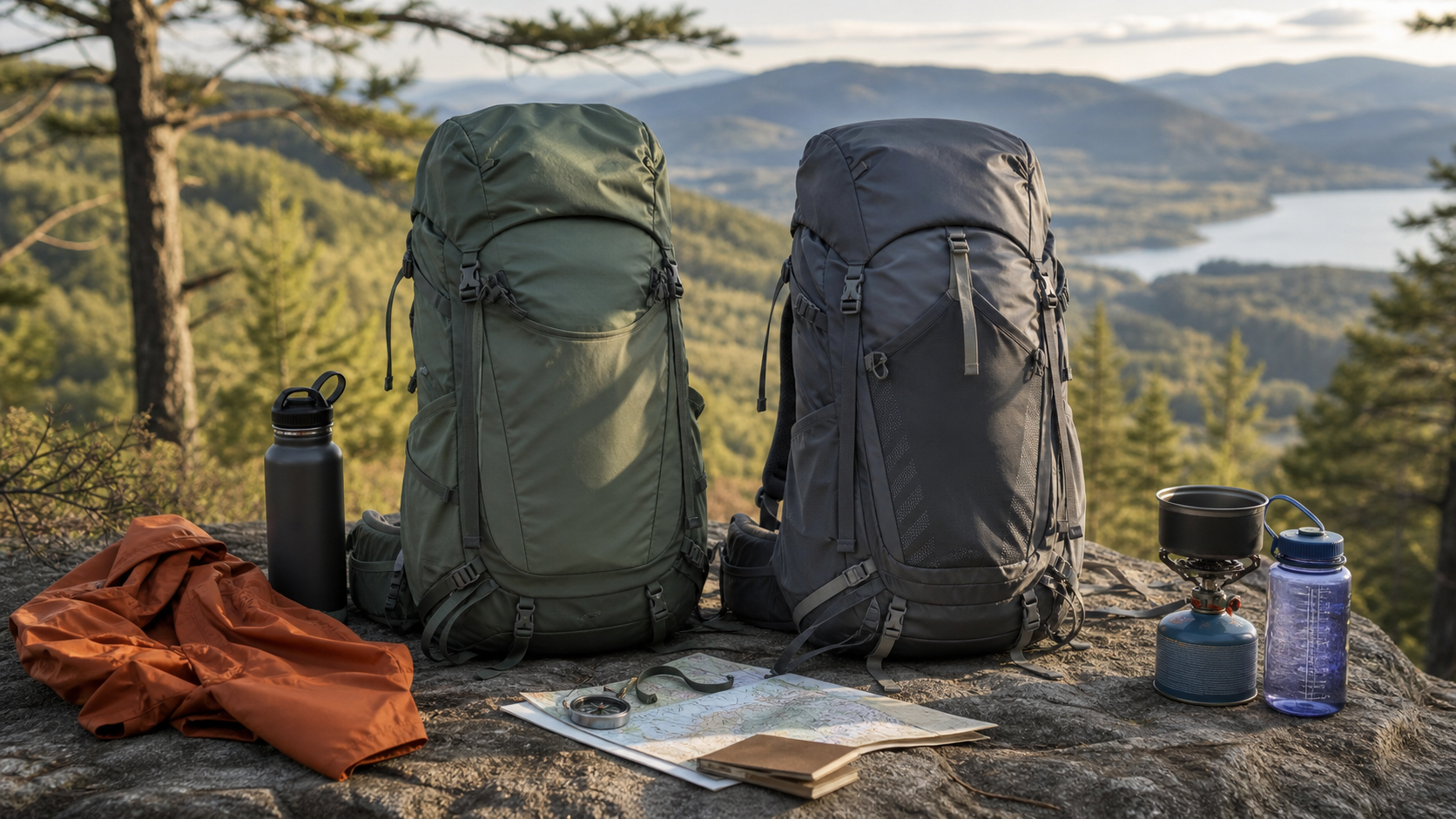
The Osprey Talon and Gregory Zulu sit in a similar slot: ventilated, mid-weight daypacks and weekend packs, commonly sold in sizes from about 22 to 44 liters (Talon) and 30 to 55 liters (Zulu), with men’s and women’s versions (Osprey Tempest for women’s Talon; Gregory Jade/Maya family for women). The core difference is philosophy. The Talon is lighter and more minimal, with a close-to-back frame. The Zulu prioritizes ventilation and load carry, using a tensioned mesh back panel that holds the pack away from your body.

Suspension and Carry Comfort

The Talon uses a lightweight frame sheet and an AirScape-style back panel with foam ridges. It hugs the body, which helps stability on scrambles and fast hiking. The Zulu’s FreeFloat-style suspension and trampoline mesh panel creates an air gap, which keeps your back cooler in hot weather and spreads heavier loads well. Listing data suggests the Zulu is typically heavier than a Talon of similar volume, which matters if you care about base weight.

Pockets and Organization

  • Talon: stretch front pocket, hip-belt pockets, side pockets, and features like Osprey’s Stow-on-the-Go trekking pole attachment.
  • Zulu: more structured hip belt and often larger hip-belt pockets, top lid on larger sizes, side pockets, and hydration sleeve.
  • Both are hydration-compatible; check whether the reservoir is included (usually not).

Fit Matters More Than the Logo

Torso length, not your height, determines pack size. Measure from the C7 vertebra (the bony bump at the base of your neck) to the top of your hip bones. Many Talon models offer adjustable torso lengths within a size; Zulu sizing varies by model year. A pack that fits correctly puts most of the weight on your hips, not your shoulders.

Who Should Choose Which

PriorityBetter match
Low weight, fast hiking, scramblingOsprey Talon
Hot weather, sweaty backGregory Zulu
Heavier loads (water, overnight gear)Gregory Zulu
Minimal, close-fitting carryOsprey Talon

Warranty and Longevity

Osprey’s All Mighty Guarantee covers repair of damage or defects for any reason, and Gregory offers a limited lifetime warranty against manufacturing defects. Read current terms on each brand’s site, since coverage details can change. Either way, the best predictor of durability is matching the pack to the load; overstuffing a lightweight pack strains seams and zippers.

FAQs

Is this recommendation independent? Yes. TrekBench recommendations are edited independently and affiliate relationships do not decide our verdicts.

How should I use this guide? Use it to shortlist gear, then compare fit, return policies, local conditions, and your actual trip needs.