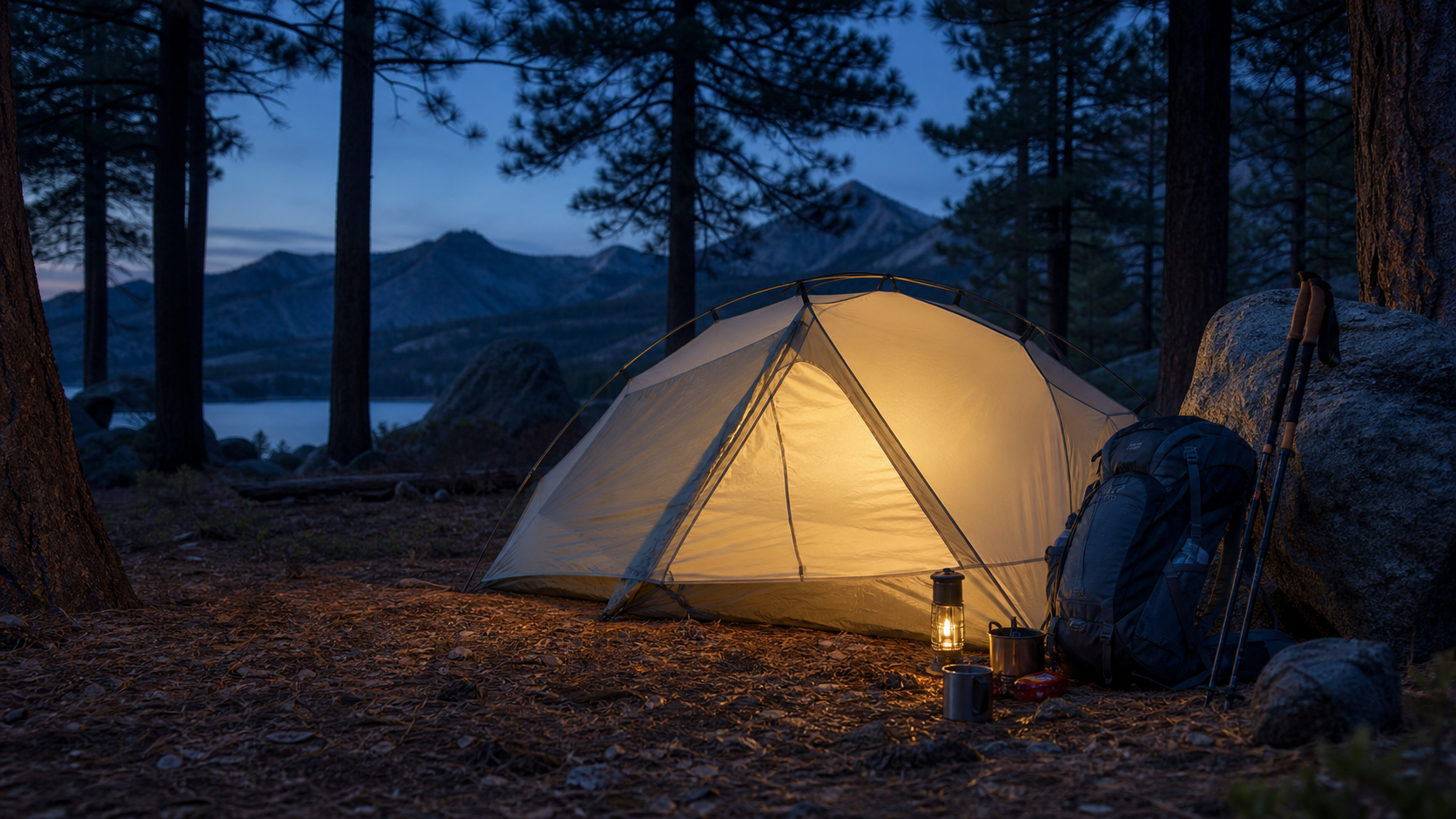
A good two-person backpacking tent should be light enough to carry, roomy enough to sleep in, and simple enough to pitch when the weather turns. This guide explains the tradeoffs that matter before a weekend trip.
Quick verdict
Most weekend hikers should prioritize a stable freestanding or semi-freestanding shelter with dependable rain coverage before chasing the lowest possible weight.
What we looked for
For this buying-guides piece, we focused on the details that matter on real weekends: packability, weather resistance, comfort after several hours of use, setup time, durability, and value. We favor gear that solves common trip problems without adding unnecessary bulk.
Pros
- Good balance of packed weight and livable space
- Simple pitch matters when daylight is fading
- Ventilation and vestibule space improve wet-weather comfort
Tradeoffs
- Ultralight fabrics need more careful handling
- Budget tents often trade weight for durability
Who it is for
This guide is written for travelers, hikers, and campers who want dependable gear for weekend trips, national park travel, car camping, and light backcountry use. It is not aimed at expedition specialists or people chasing the absolute lightest possible kit at any cost.
How to choose
- Match the trip length. Weekend gear should be comfortable and repeatable, not just impressive on paper.
- Check the failure points. Zippers, poles, straps, buckles, waterproof coatings, battery covers, and seams usually matter more than headline specs.
- Think about storage. Good outdoor gear should be easy to dry, clean, recharge, repack, and use again next month.
- Buy for your weather. A desert road trip, a wet shoulder-season hike, and a humid family campsite need different tradeoffs.
Update note
TrekBench reviews are updated when product lines, availability, field notes, or reader questions change. We keep older recommendations visible when they still explain useful buying decisions.
What to Compare in a Two-Person Backpacking Tent
- Weight: many lightweight two-person tents fall roughly between 1 and 2 kg; “minimum trail weight” excludes stakes and stuff sacks, so look at packaged weight too.
- Floor area and shape: tapered floors save weight but reduce space at the feet.
- Peak height: matters if you sit up to change or play cards.
- Doors and vestibules: two doors and two vestibules avoid climbing over a partner.
- Freestanding vs. semi-freestanding vs. trekking-pole supported: freestanding is easier to pitch on rock or platforms; pole-supported tents are lightest but need staking and practice.
Fabrics
Tents use coated nylon or polyester, with denier (D) indicating thread thickness. Lower denier saves weight but is more fragile. Dyneema Composite Fabric is extremely light and doesn’t sag when wet, but costs much more.
Weather Considerations
| Condition | What helps |
|---|---|
| Wind | Lower profile, more guy-out points |
| Rain | Full-coverage fly, quality seams |
| Condensation | Vents, mesh inner, pitching away from water |
Two People, Real Space
Two standard 20-inch pads fit in most two-person tents; wide pads may not. If you are tall or want room, a “plus” model or three-person tent may be worth the weight.
Footprint
A footprint protects thin floors from abrasion. A sheet of polycryo is a light, cheap alternative.