Posted on

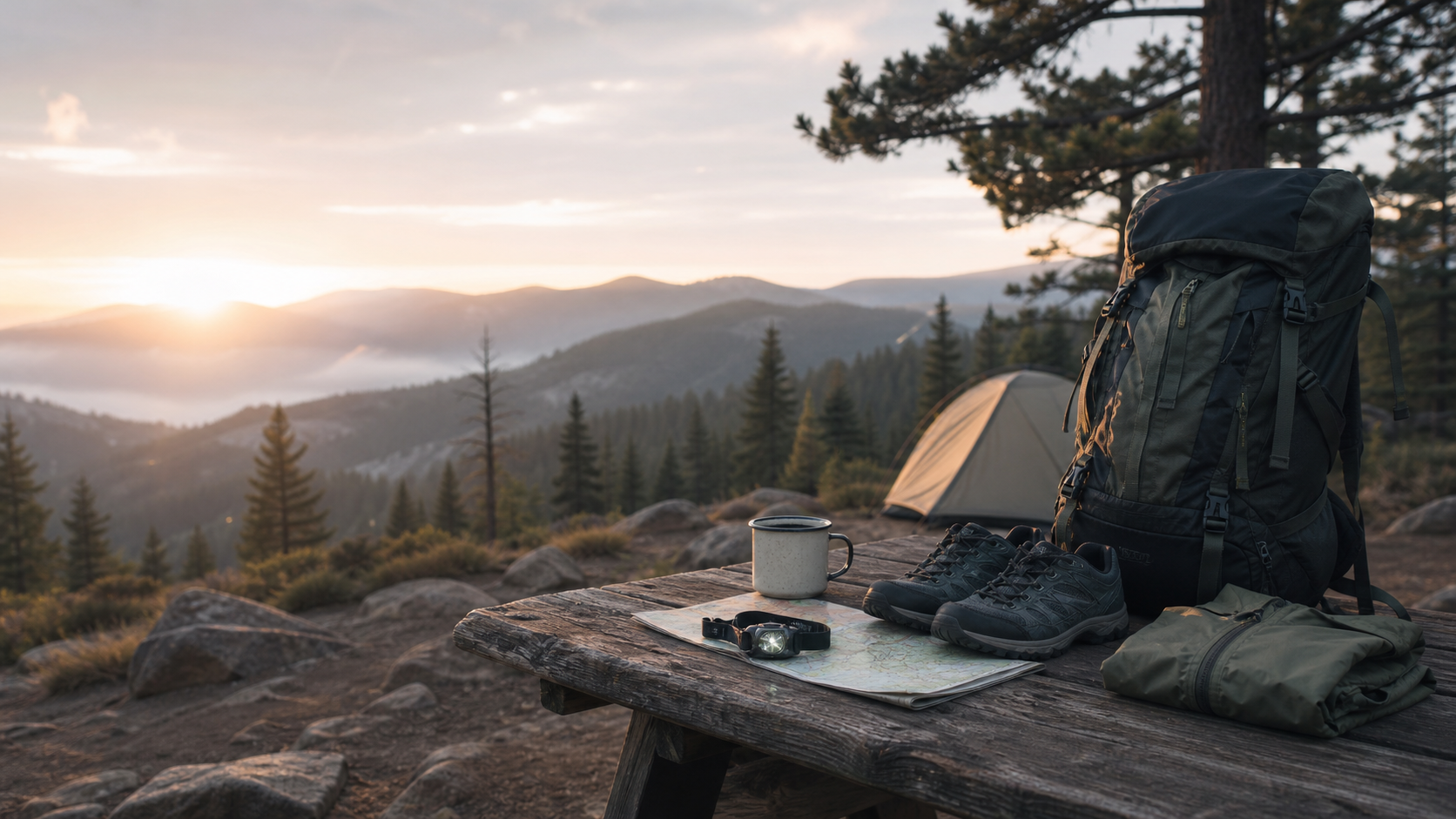
Best Budget Outdoor Electronics for Safer Weekend Trips

TrekBench Navigation
Affiliate disclosure: TrekBench may earn a commission when readers buy through some merchant links. Our recommendations remain independently edited, and commissions do not affect verdicts.

Outdoor electronics should make trips safer and easier, not create another pile of batteries and subscriptions. Budget gear can work well when chosen for a specific job.

Quick verdict

Start with a reliable headlamp, offline maps, a small power bank, and a weather-aware plan. Add satellite messaging only when the route risk justifies it.

What we looked for

For this outdoor-electronics piece, we focused on the details that matter on real weekends: packability, weather resistance, comfort after several hours of use, setup time, durability, and value. We favor gear that solves common trip problems without adding unnecessary bulk.

Pros

  • Headlamps and power banks deliver high value
  • Offline maps are often more useful than premium hardware
  • Emergency communication is worth planning early

Tradeoffs

  • Cheap lights may have poor waterproofing
  • Subscription devices require ongoing costs

Who it is for

This guide is written for travelers, hikers, and campers who want dependable gear for weekend trips, national park travel, car camping, and light backcountry use. It is not aimed at expedition specialists or people chasing the absolute lightest possible kit at any cost.

How to choose

  • Match the trip length. Weekend gear should be comfortable and repeatable, not just impressive on paper.
  • Check the failure points. Zippers, poles, straps, buckles, waterproof coatings, battery covers, and seams usually matter more than headline specs.
  • Think about storage. Good outdoor gear should be easy to dry, clean, recharge, repack, and use again next month.
  • Buy for your weather. A desert road trip, a wet shoulder-season hike, and a humid family campsite need different tradeoffs.

Update note

TrekBench reviews are updated when product lines, availability, field notes, or reader questions change. We keep older recommendations visible when they still explain useful buying decisions.

Author: TrekBench Editorial
Our editorial desk focuses on practical travel, camping, hiking, backpacks, footwear, apparel, and outdoor electronics for real-world trips.

Building a Budget Electronics Kit by Priority

Outdoor electronics fall into three groups: safety (light, navigation, emergency communication), power (batteries and charging), and convenience (speakers, cameras, gadgets). Spend first on safety, then on power, and only then on convenience.

1. Headlamp

A headlamp is the single most useful electronic item on any trip. Look for at least 300 lumens, a red-light mode to preserve night vision, and a lockout feature so it does not switch on in your pack. Rechargeable models are convenient, but a model that also accepts AAA batteries gives you a backup if you cannot charge.

2. Power Bank

A 10,000 mAh power bank recharges most phones about two times, enough for a weekend. Real usable capacity is lower than the label because of conversion losses, often around 60–70% for the phone. Choose USB-C input and output so one cable charges everything, and check airline rules if flying: most carriers allow power banks under 100 Wh in carry-on only.

3. Navigation

Your phone with offline maps downloaded (from apps such as Gaia GPS, AllTrails, or CalTopo) is a capable navigation tool. Put the phone in airplane mode to save battery; GPS still works without cell signal.

4. Emergency Communication

For trips beyond cell coverage, consider a satellite messenger or personal locator beacon. Some newer phones offer emergency satellite messaging in supported regions; check your model before assuming coverage.

5. Camp Lighting

A small rechargeable lantern or a headlamp wrapped around a water bottle (“lantern hack”) lights a tent or picnic table well.

Cold Weather and Battery Care

Lithium-ion batteries lose capacity in the cold. Keep phones and power banks in an inside pocket during the day and in your sleeping bag at night. Avoid charging lithium batteries below freezing.

Simple Checklist

  • Headlamp (charged) + spare batteries or cable
  • Power bank 10,000 mAh + short USB-C cable
  • Phone with offline maps and downloaded route
  • Satellite communicator or PLB for remote routes
  • Small dry bag for electronics
Posted on

How to Build a Weekend Hiking Kit Without Overpacking

TrekBench Hero
Affiliate disclosure: TrekBench may earn a commission when readers buy through some merchant links. Our recommendations remain independently edited, and commissions do not affect verdicts.

Weekend trips are where packing habits are built. A smart kit covers safety, weather, food, water, and comfort without turning every trail into a load-carrying workout.

Quick verdict

Build around the forecast, route length, and bail-out options. Keep the kit familiar, then adjust one or two items after each trip instead of reinventing the pack every time.

What we looked for

For this hiking piece, we focused on the details that matter on real weekends: packability, weather resistance, comfort after several hours of use, setup time, durability, and value. We favor gear that solves common trip problems without adding unnecessary bulk.

Pros

  • A repeatable checklist lowers decision fatigue
  • Layering beats carrying one bulky spare item
  • Small repair items solve common problems

Tradeoffs

  • Fear packing adds unnecessary weight
  • Underpacking water is still the bigger mistake

Who it is for

This guide is written for travelers, hikers, and campers who want dependable gear for weekend trips, national park travel, car camping, and light backcountry use. It is not aimed at expedition specialists or people chasing the absolute lightest possible kit at any cost.

How to choose

  • Match the trip length. Weekend gear should be comfortable and repeatable, not just impressive on paper.
  • Check the failure points. Zippers, poles, straps, buckles, waterproof coatings, battery covers, and seams usually matter more than headline specs.
  • Think about storage. Good outdoor gear should be easy to dry, clean, recharge, repack, and use again next month.
  • Buy for your weather. A desert road trip, a wet shoulder-season hike, and a humid family campsite need different tradeoffs.

Update note

TrekBench reviews are updated when product lines, availability, field notes, or reader questions change. We keep older recommendations visible when they still explain useful buying decisions.

Author: TrekBench Editorial
Our editorial desk focuses on practical travel, camping, hiking, backpacks, footwear, apparel, and outdoor electronics for real-world trips.

Start With the Ten Essentials

The “Ten Essentials” framework, popularized by The Mountaineers, is the best checklist for avoiding both under-packing and over-packing: navigation, headlamp, sun protection, first aid, knife/repair kit, fire, shelter (emergency), extra food, extra water, and extra clothes. Weekend trips add sleep and cooking systems on top.

A Weekend Kit by Category

Carry

A 35–50 liter pack is enough for most weekend overnights with modern gear. If your gear does not fit, the solution is usually lighter, more compressible items, not a bigger pack.

Shelter and Sleep

Tent or tarp, sleeping bag or quilt rated near the expected low, and a sleeping pad with an R-value suited to the season (R 2–3 for summer, R 4+ for shoulder seasons).

Clothing

One set of hiking clothes, one warm insulating layer, a rain shell, dry sleep socks, a hat and gloves when nights drop below about 10°C/50°F. Skip the “just in case” second outfit.

Kitchen

Canister stove, one pot, a spoon, lighter, and meals planned by count. Repackage food out of bulky boxes.

Water

Two 1-liter bottles or a reservoir plus a filter or purification tablets. Check water sources on your map to avoid carrying more weight than needed.

Common Over-packing Traps

  • Too many clothes: layers you can combine beat separate outfits.
  • Full-size toiletries: decant into small containers.
  • Extra cookware: one pot covers most meals.
  • Duplicated tools: one small knife, one light.
  • Excess water: carry what you need between known sources.

The Shakedown Habit

After each trip, sort gear into three piles: used, used only for safety, and not used. Keep the first two. Reconsider the third. This habit, more than any purchase, reduces pack weight over time.

Leave a Trip Plan

Share your route, expected return, and a “call for help” time with someone at home. It is the lightest safety item you can carry.

A compact treatment method belongs in a lean weekend kit; compare your options in our guide to water filters vs purification tablets.

Posted on

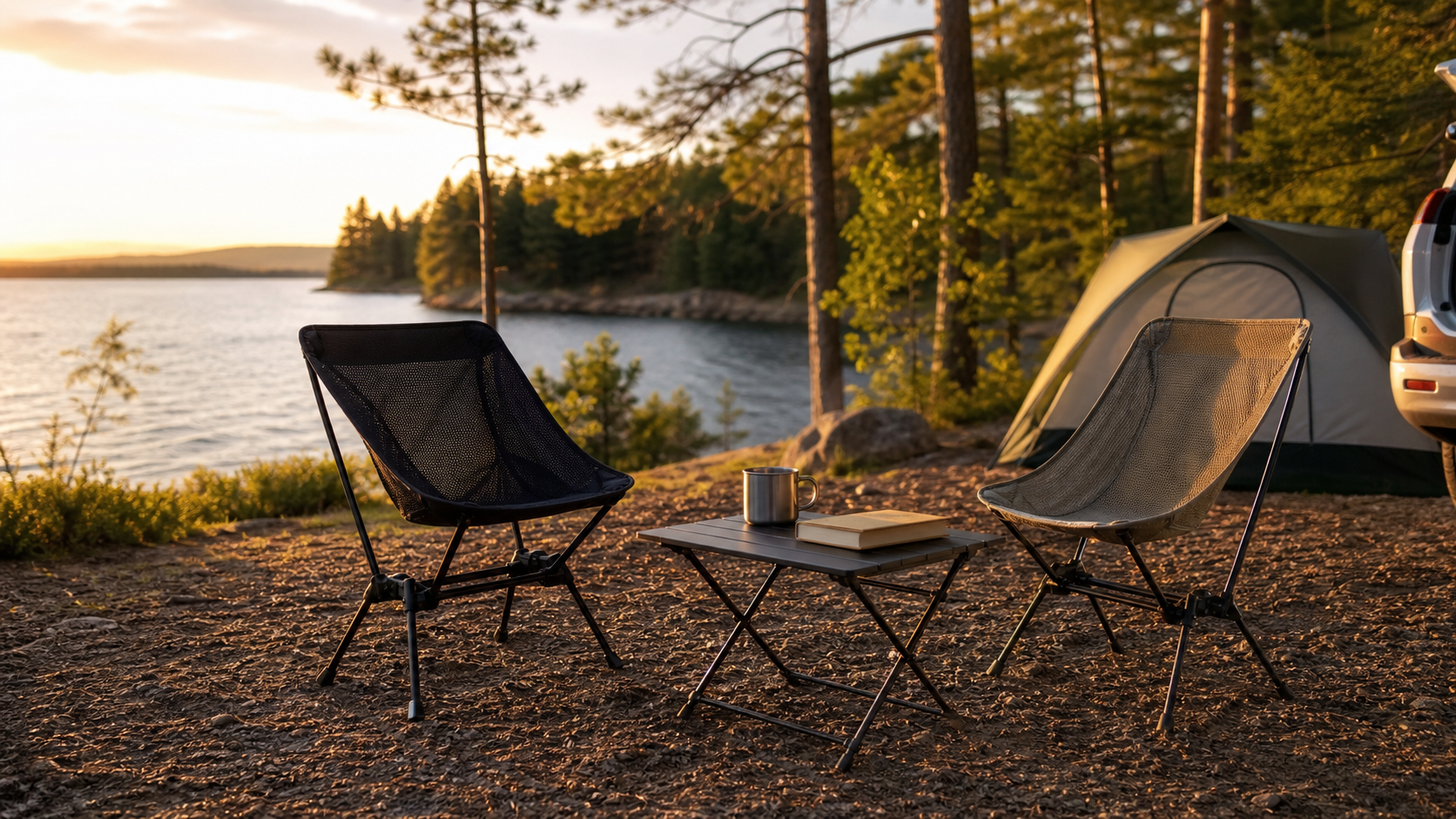
Best Compact Camp Chairs and Tables for Car Camping

TrekBench Chairs
Affiliate disclosure: TrekBench may earn a commission when readers buy through some merchant links. Our recommendations remain independently edited, and commissions do not affect verdicts.

Camp furniture is comfort gear, but bad furniture becomes clutter fast. The best chairs and tables are stable, easy to pack, and useful for more than one campsite job.

Quick verdict

For car camping, prioritize stability and setup speed over the smallest packed size. A slightly heavier chair that people actually like using is usually worth it.

What we looked for

For this camping piece, we focused on the details that matter on real weekends: packability, weather resistance, comfort after several hours of use, setup time, durability, and value. We favor gear that solves common trip problems without adding unnecessary bulk.

Pros

  • Seat height affects comfort around a fire ring
  • Small tables help organize cooking and coffee
  • Mesh panels dry faster near lakes

Tradeoffs

  • Ultralight chairs can feel narrow
  • Cheap hinges are common failure points

Who it is for

This guide is written for travelers, hikers, and campers who want dependable gear for weekend trips, national park travel, car camping, and light backcountry use. It is not aimed at expedition specialists or people chasing the absolute lightest possible kit at any cost.

How to choose

  • Match the trip length. Weekend gear should be comfortable and repeatable, not just impressive on paper.
  • Check the failure points. Zippers, poles, straps, buckles, waterproof coatings, battery covers, and seams usually matter more than headline specs.
  • Think about storage. Good outdoor gear should be easy to dry, clean, recharge, repack, and use again next month.
  • Buy for your weather. A desert road trip, a wet shoulder-season hike, and a humid family campsite need different tradeoffs.

Update note

TrekBench reviews are updated when product lines, availability, field notes, or reader questions change. We keep older recommendations visible when they still explain useful buying decisions.

Author: TrekBench Editorial
Our editorial desk focuses on practical travel, camping, hiking, backpacks, footwear, apparel, and outdoor electronics for real-world trips.

What Makes Camp Furniture Worth Packing

Car camping removes most weight limits, but space in the car and setup time still matter. Good camp chairs and tables are stable on uneven ground, set up in under a minute, and pack small enough to leave room for coolers and bags.

Camp Chair Types

TypeProsCons
Quad folding chairCheap, sturdy, cup holdersBulky, heavy
Compact frame chair (Helinox-style)Packs tiny, lightLow seat, can sink in sand
Rocking / reclining chairVery comfortableLarge, expensive
Camp stoolMinimal, great for cookingNo back support

Check the rated weight capacity, seat height (higher is easier to get in and out of), and feet design. Wide feet or ground pads prevent compact chairs from sinking into soft ground.

Camp Table Types

  • Roll-top aluminum tables: light, pack into a tube, good for cooking, but can wobble under heavy loads.
  • Folding suitcase tables: stable, often height-adjustable, heavier.
  • Small side tables: hold drinks and a lantern next to a chair.

For cooking, choose a table that is heat-resistant and stable enough for a two-burner stove, and keep the stove manufacturer’s clearance guidance in mind.

Selection Checklist

  1. Packed dimensions vs. your trunk space.
  2. Setup time and number of loose parts.
  3. Stability on slopes and gravel.
  4. Materials: aluminum resists rust; steel is sturdier but heavier.
  5. Ease of cleaning after cooking.

Care

Dry fabric seats before storage to avoid mildew, rinse sand out of shock-corded poles, and check rivets and joints each season.

Posted on

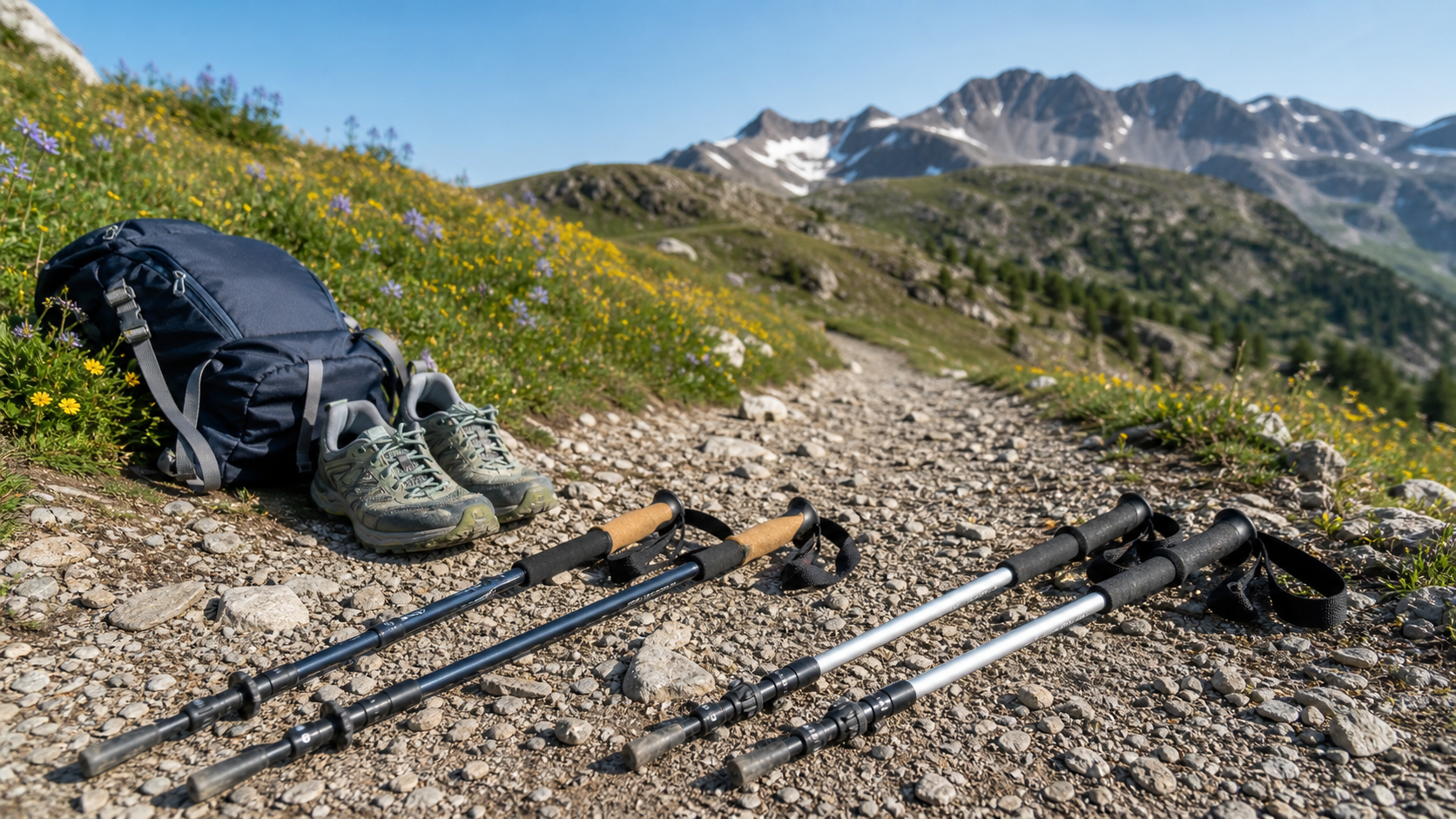
Carbon vs Aluminum Trekking Poles: Weight, Durability, and Trail Feel

TrekBench Trekking Poles
Affiliate disclosure: TrekBench may earn a commission when readers buy through some merchant links. Our recommendations remain independently edited, and commissions do not affect verdicts.

Trekking poles look similar until the trail gets rocky, wet, or long. Carbon and aluminum poles differ in weight, vibration feel, price, and how they fail under stress.

Quick verdict

Carbon is attractive for long-distance weight savings, but aluminum remains the safer value pick for rough trails, travel, and shared family use.

What we looked for

For this comparisons piece, we focused on the details that matter on real weekends: packability, weather resistance, comfort after several hours of use, setup time, durability, and value. We favor gear that solves common trip problems without adding unnecessary bulk.

Pros

  • Carbon poles feel light and reduce swing fatigue
  • Aluminum poles often bend before they break
  • Grip shape matters on long descents

Tradeoffs

  • Carbon can crack from sharp side impacts
  • Cheap locks may slip regardless of material

Who it is for

This guide is written for travelers, hikers, and campers who want dependable gear for weekend trips, national park travel, car camping, and light backcountry use. It is not aimed at expedition specialists or people chasing the absolute lightest possible kit at any cost.

How to choose

  • Match the trip length. Weekend gear should be comfortable and repeatable, not just impressive on paper.
  • Check the failure points. Zippers, poles, straps, buckles, waterproof coatings, battery covers, and seams usually matter more than headline specs.
  • Think about storage. Good outdoor gear should be easy to dry, clean, recharge, repack, and use again next month.
  • Buy for your weather. A desert road trip, a wet shoulder-season hike, and a humid family campsite need different tradeoffs.

Update note

TrekBench reviews are updated when product lines, availability, field notes, or reader questions change. We keep older recommendations visible when they still explain useful buying decisions.

Author: TrekBench Editorial
Our editorial desk focuses on practical travel, camping, hiking, backpacks, footwear, apparel, and outdoor electronics for real-world trips.

Material Basics

Carbon fiber poles are lighter and absorb more vibration, which many hikers find reduces hand and wrist fatigue on long days. Aluminum poles are heavier but tougher under sideways loads: aluminum tends to bend, while carbon can crack or snap if it is stressed sideways, for example when wedged between rocks.

Comparison

FactorCarbonAluminum
Weight per pairTypically lighterHeavier
VibrationDampedMore “ringing”
Failure modeCan snapBends, often still usable
PriceHigherLower
Best forLong-distance, weight-conscious hikersRocky terrain, winter, budget

Locking Mechanisms

External lever locks are easy to adjust with gloves and simple to tighten in the field. Twist locks are lighter but can slip if dirty or cold. Folding (Z-style) poles pack small for travel and running, but often have limited length adjustment.

Grips and Straps

Cork grips mold to your hand and handle sweat well; foam is soft and light; rubber suits cold weather but can cause sweaty hands. Extended foam below the grip lets you choke down on uphill traverses.

Setting the Right Length

On flat ground, set the pole so your elbow is bent near 90 degrees. Shorten slightly for climbs and lengthen for descents. See our trekking pole height guide for a fuller explanation.

Durability Tips

  • Avoid levering your body weight sideways on a planted pole.
  • Dry and separate sections after wet hikes.
  • Replace worn carbide tips; rubber tip covers protect pavement and gear.
Posted on

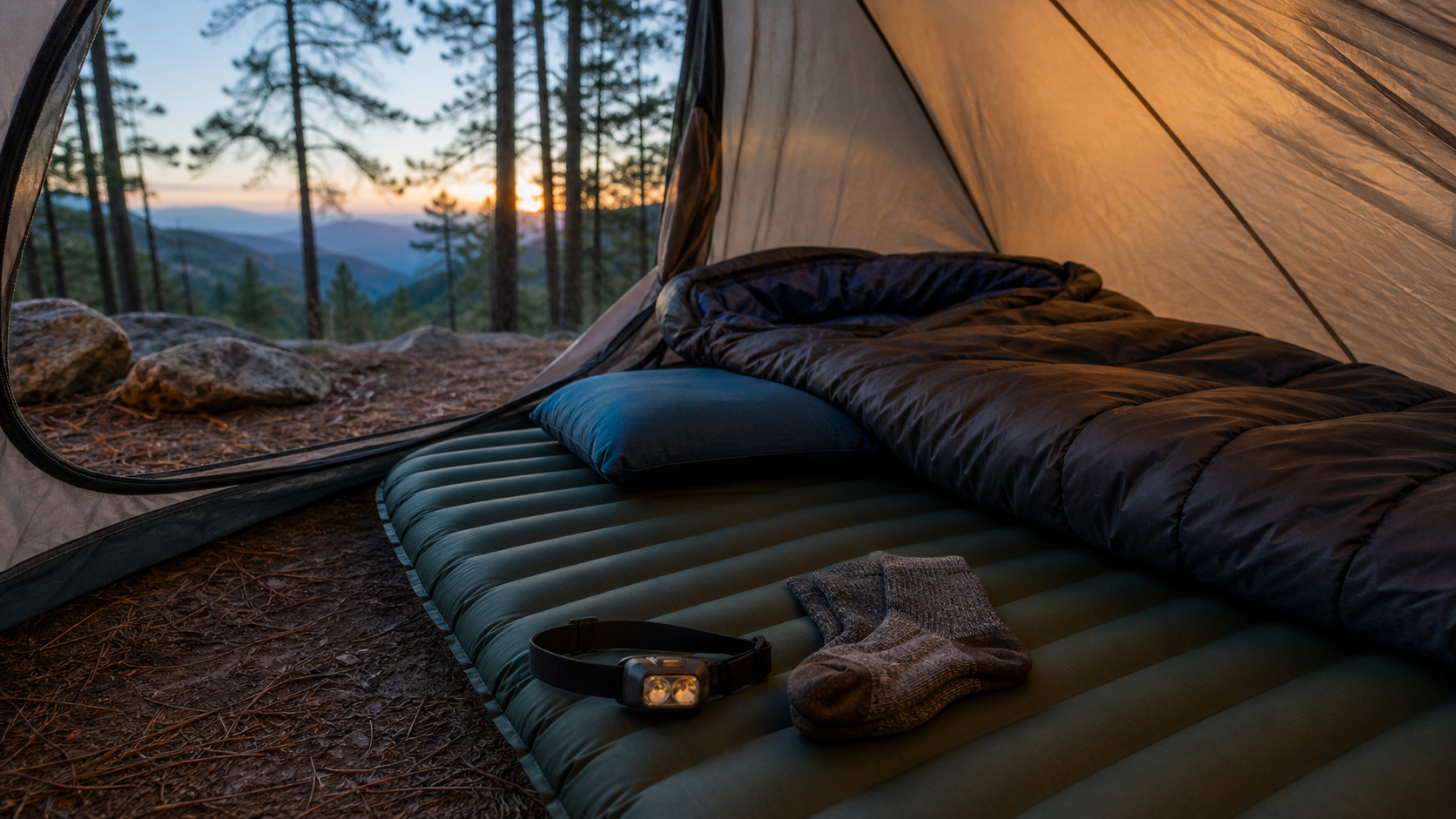
Camping Sleep System Basics: Bag, Pad, and Pillow Setup

TrekBench Sleep System
Affiliate disclosure: TrekBench may earn a commission when readers buy through some merchant links. Our recommendations remain independently edited, and commissions do not affect verdicts.

A warm sleeping bag cannot fix a poor pad, and a great pad cannot save a bag used below its comfort range. Sleep systems work best when the pieces are chosen together.

Quick verdict

Choose the pad first for ground insulation, then match the bag or quilt to expected nighttime lows. Small comfort upgrades often pay off more than shaving a few ounces.

What we looked for

For this camping piece, we focused on the details that matter on real weekends: packability, weather resistance, comfort after several hours of use, setup time, durability, and value. We favor gear that solves common trip problems without adding unnecessary bulk.

Pros

  • Pad insulation matters as much as bag warmth
  • A pillow improves repeat comfort on short trips
  • Vent options help in changing temperatures

Tradeoffs

  • Ultralight pads can be noisy
  • Wide setups may not fit every tent floor

Who it is for

This guide is written for travelers, hikers, and campers who want dependable gear for weekend trips, national park travel, car camping, and light backcountry use. It is not aimed at expedition specialists or people chasing the absolute lightest possible kit at any cost.

How to choose

  • Match the trip length. Weekend gear should be comfortable and repeatable, not just impressive on paper.
  • Check the failure points. Zippers, poles, straps, buckles, waterproof coatings, battery covers, and seams usually matter more than headline specs.
  • Think about storage. Good outdoor gear should be easy to dry, clean, recharge, repack, and use again next month.
  • Buy for your weather. A desert road trip, a wet shoulder-season hike, and a humid family campsite need different tradeoffs.

Update note

TrekBench reviews are updated when product lines, availability, field notes, or reader questions change. We keep older recommendations visible when they still explain useful buying decisions.

Author: TrekBench Editorial
Our editorial desk focuses on practical travel, camping, hiking, backpacks, footwear, apparel, and outdoor electronics for real-world trips.

How the Three Pieces Work Together

Your body loses heat in two directions at night: up into the air (managed by the bag or quilt) and down into the ground (managed by the pad). Ground loss is often underestimated, which is why a warm bag on a thin pad still feels cold.

Sleeping Pad R-Value

R-value measures resistance to heat flow. Since 2020, major manufacturers test pads with the ASTM F3340 standard, making ratings comparable across brands. Rough guidance: R 1–2 for warm summer nights, R 2–4 for three-season use, R 4–5+ for cold shoulder seasons and winter. R-values add when you stack pads, such as a closed-cell foam pad under an inflatable.

Sleeping Bag Temperature Ratings

Many bags use ISO 23537 (formerly EN 13537) ratings. The comfort rating is the temperature at which a typical cold sleeper is comfortable; the limit rating applies to a typical warm sleeper in a curled position. Choose based on the comfort rating if you sleep cold.

Down vs. Synthetic

DownSynthetic
Warmth-to-weightExcellentGood
Packed sizeSmallLarger
When dampLoses loft (less with treated down)Retains more warmth
PriceHigherLower

Pillows

An inflatable pillow weighs little and packs small; a stuff sack filled with a fleece works in a pinch. Side sleepers usually need more height.

Tips for Warmer Nights

  • Eat a snack with fat before bed.
  • Wear dry socks and a hat.
  • Vent the tent to reduce condensation.
  • Use a bag liner for extra warmth and cleanliness.
Posted on

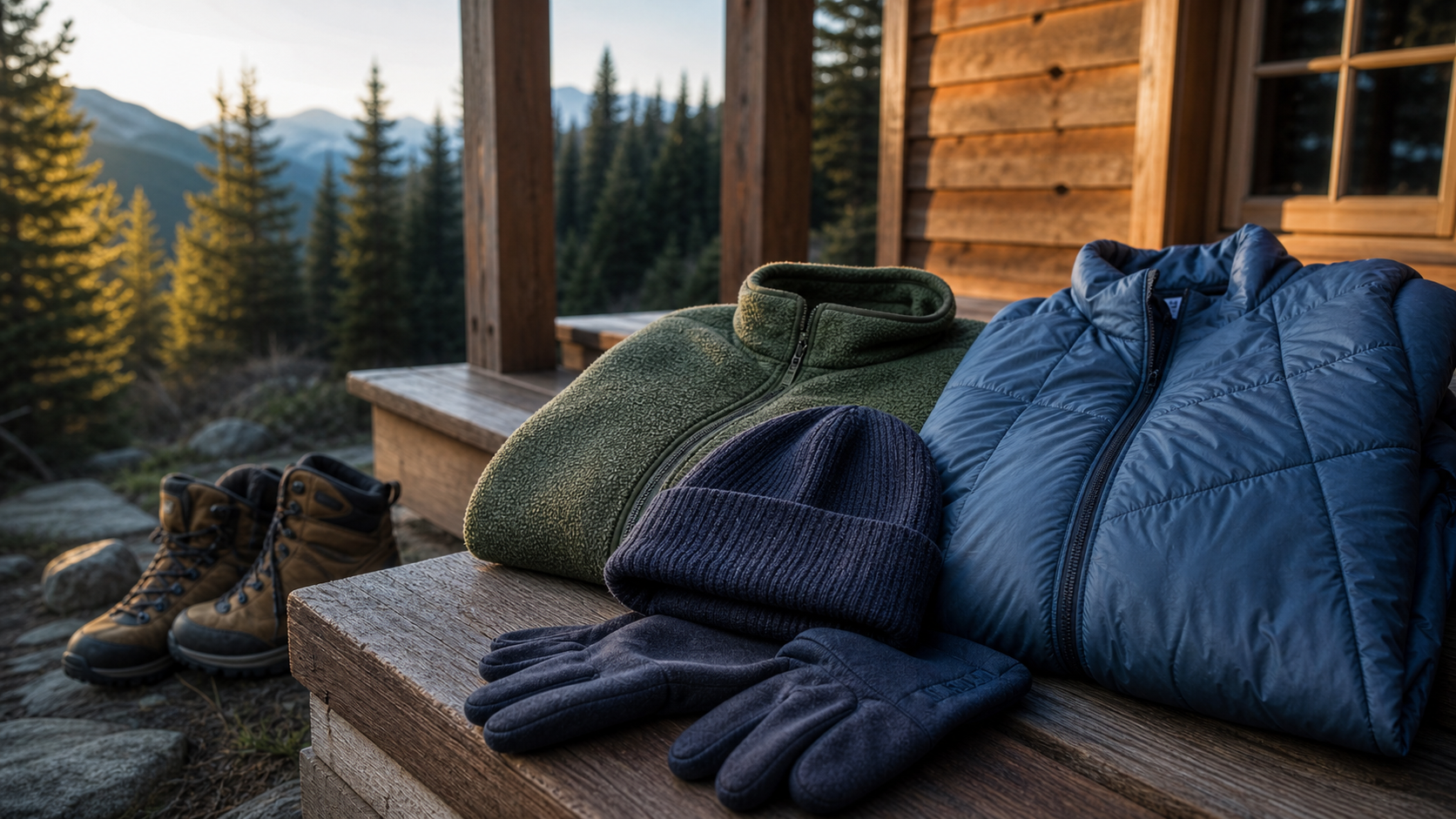
Fleece vs Synthetic Midlayer: What to Wear When Temperatures Swing

TrekBench Midlayers
Affiliate disclosure: TrekBench may earn a commission when readers buy through some merchant links. Our recommendations remain independently edited, and commissions do not affect verdicts.

Midlayers are where many hikers overpack. Fleece and synthetic insulation both work, but they solve different temperature problems and layer differently under a shell.

Quick verdict

Use fleece for steady movement and synthetic insulation for chilly breaks. In shoulder season, many hikers carry one light fleece plus a compact puffy.

What we looked for

For this comparisons piece, we focused on the details that matter on real weekends: packability, weather resistance, comfort after several hours of use, setup time, durability, and value. We favor gear that solves common trip problems without adding unnecessary bulk.

Pros

  • Fleece breathes well during active hiking
  • Synthetic insulation is warmer during stops
  • Both dry faster than cotton layers

Tradeoffs

  • Bulky fleece can crowd a rain shell
  • Insulated jackets can overheat while climbing

Who it is for

This guide is written for travelers, hikers, and campers who want dependable gear for weekend trips, national park travel, car camping, and light backcountry use. It is not aimed at expedition specialists or people chasing the absolute lightest possible kit at any cost.

How to choose

  • Match the trip length. Weekend gear should be comfortable and repeatable, not just impressive on paper.
  • Check the failure points. Zippers, poles, straps, buckles, waterproof coatings, battery covers, and seams usually matter more than headline specs.
  • Think about storage. Good outdoor gear should be easy to dry, clean, recharge, repack, and use again next month.
  • Buy for your weather. A desert road trip, a wet shoulder-season hike, and a humid family campsite need different tradeoffs.

Update note

TrekBench reviews are updated when product lines, availability, field notes, or reader questions change. We keep older recommendations visible when they still explain useful buying decisions.

Author: TrekBench Editorial
Our editorial desk focuses on practical travel, camping, hiking, backpacks, footwear, apparel, and outdoor electronics for real-world trips.

Fleece and Synthetic Insulation Explained

Fleece is a knitted polyester fabric that traps air. It breathes well, stays warm when damp, and handles abrasion, but blocks little wind and is bulky for its warmth. Synthetic insulated jackets use polyester fill (such as PrimaLoft or Coreloft) inside a wind-resistant shell. They provide more warmth for their weight, pack smaller, and block wind, but are less breathable when you are working hard.

Comparison

FleeceSynthetic jacket
Breathability while movingExcellentModerate (active insulation is better)
Wind resistanceLowGood
Warmth per weightModerateHigher
PackabilityBulkyCompressible
DurabilityHighShell can snag

When Temperatures Swing

For cold mornings and warm afternoons, a light grid fleece (100-weight) is easy to wear while moving. For stops, summits and camp, a synthetic jacket over it adds warmth quickly. “Active insulation” jackets (lightly insulated, highly breathable) try to bridge both roles.

Layering Strategy

  1. Base layer that wicks sweat.
  2. Midlayer while moving (fleece or active insulation).
  3. Puffy for stops.
  4. Shell for wind and rain.

Add or remove a layer before you get sweaty or chilled, not after.

Posted on

Best Travel Daypacks for Airport-to-Trail Weekends

TrekBench Daypacks
Affiliate disclosure: TrekBench may earn a commission when readers buy through some merchant links. Our recommendations remain independently edited, and commissions do not affect verdicts.

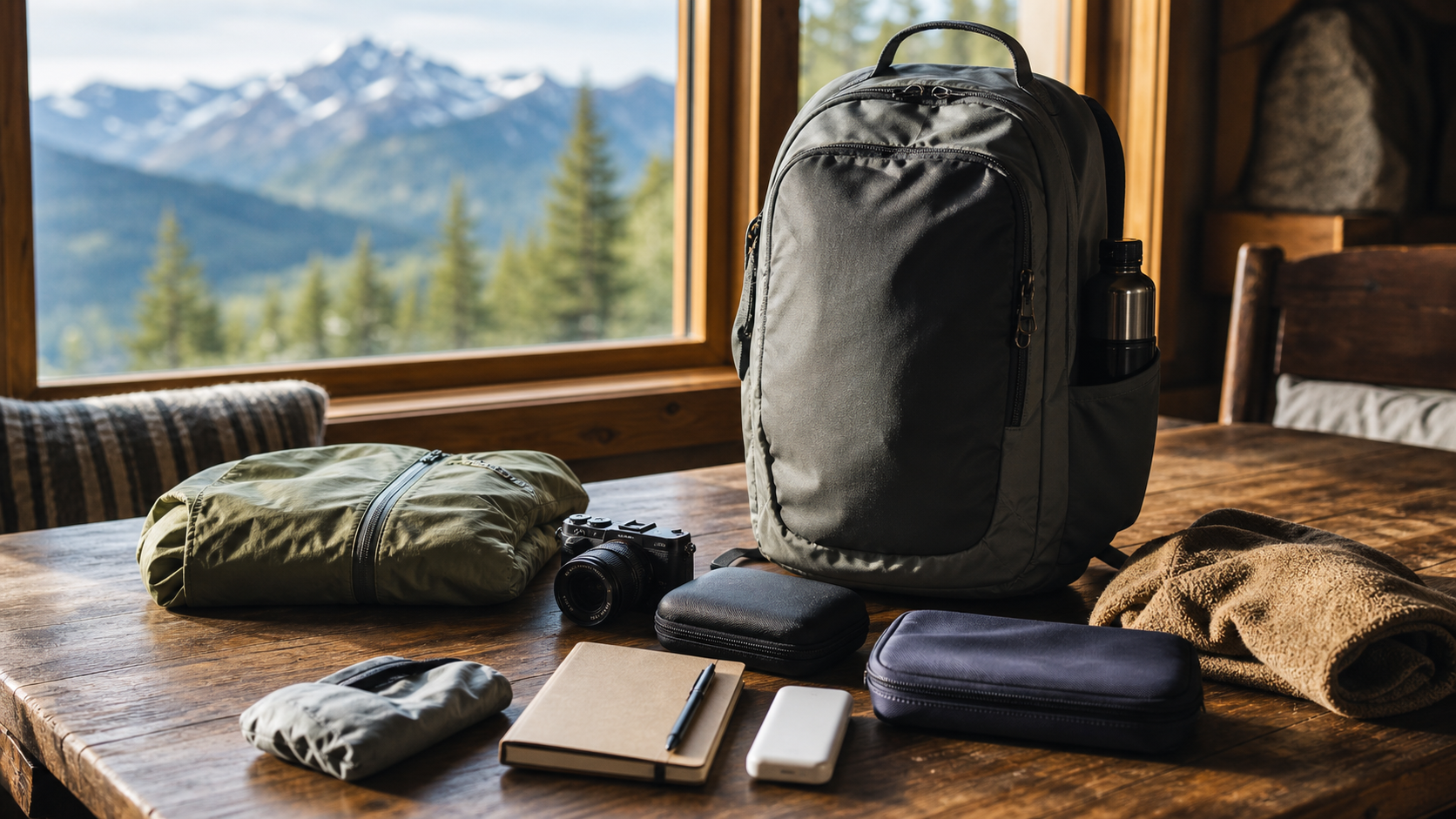
The best travel daypack is not always the most technical hiking pack. It needs to fit under a seat, carry a jacket and camera, and still feel comfortable on a trail overlook.

Quick verdict

Look for a 20-28L pack with clean organization, comfortable straps, and enough weather resistance for a wet transfer or trail afternoon.

What we looked for

For this buying-guides piece, we focused on the details that matter on real weekends: packability, weather resistance, comfort after several hours of use, setup time, durability, and value. We favor gear that solves common trip problems without adding unnecessary bulk.

Pros

  • Clamshell access helps with travel packing
  • A real water bottle pocket is still useful
  • Padded laptop sleeves can double as map storage

Tradeoffs

  • Too many admin pockets add weight
  • Pure hiking packs can look awkward in cities

Who it is for

This guide is written for travelers, hikers, and campers who want dependable gear for weekend trips, national park travel, car camping, and light backcountry use. It is not aimed at expedition specialists or people chasing the absolute lightest possible kit at any cost.

How to choose

  • Match the trip length. Weekend gear should be comfortable and repeatable, not just impressive on paper.
  • Check the failure points. Zippers, poles, straps, buckles, waterproof coatings, battery covers, and seams usually matter more than headline specs.
  • Think about storage. Good outdoor gear should be easy to dry, clean, recharge, repack, and use again next month.
  • Buy for your weather. A desert road trip, a wet shoulder-season hike, and a humid family campsite need different tradeoffs.

Update note

TrekBench reviews are updated when product lines, availability, field notes, or reader questions change. We keep older recommendations visible when they still explain useful buying decisions.

Author: TrekBench Editorial
Our editorial desk focuses on practical travel, camping, hiking, backpacks, footwear, apparel, and outdoor electronics for real-world trips.

What Makes a Good Travel Daypack

A travel daypack sits between a city backpack and a hiking pack. It should fit under an airline seat, carry a laptop or tablet on travel days, and carry a jacket, water, and snacks on the trail.

Key Features

  • Capacity: 18–28 liters is the sweet spot.
  • Under-seat size: many airlines’ personal item limits are around 18 x 14 x 8 inches; verify yours.
  • Hip belt or sternum strap: improves stability on trail.
  • Water bottle pockets: deep enough to hold a 1 L bottle securely.
  • Padded sleeve: useful for electronics in transit.
  • Materials: high-denier nylon or recycled polyester with water-resistant coating.

Pack Types

TypeGood forTrade-off
Hiking daypack (20–25 L)Trail comfort, ventilationLess organization for tech
Travel daypackAirports, cities, light trailsLess support for heavy loads
Packable daypackFolds into luggageMinimal structure

Security Tips

Lockable zippers and hidden pockets help in crowded areas. Keep passports and wallets in an internal pocket against your back.

Fit

Even small packs fit better when shoulder straps sit close to the neck without pressure and the load rides close to your back.

Posted on

GPS Watch vs Handheld Navigator: What Hikers Actually Need

TrekBench Navigation
Affiliate disclosure: TrekBench may earn a commission when readers buy through some merchant links. Our recommendations remain independently edited, and commissions do not affect verdicts.

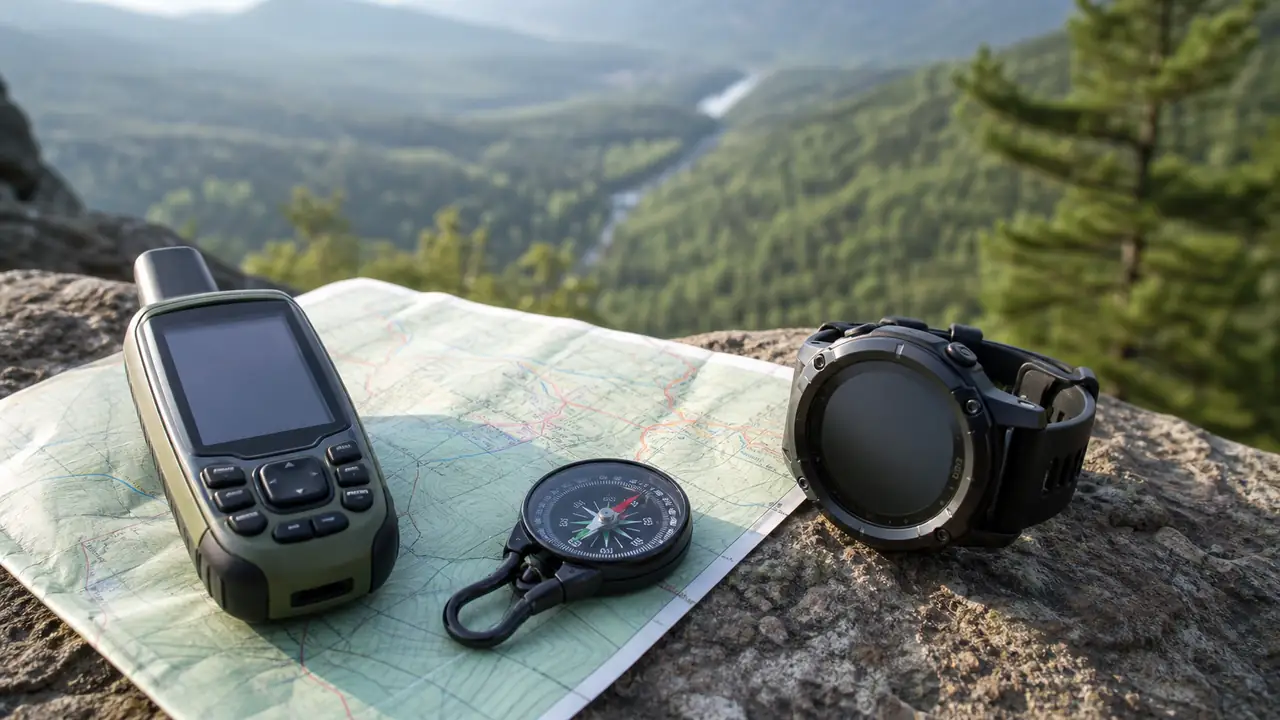
Navigation gear is easy to overbuy. A GPS watch, phone app, paper map, and handheld navigator all solve different problems, and the right setup depends on route risk and battery discipline.

Quick verdict

For marked day hikes, a phone map plus watch is often enough. For remote terrain, add a paper map and a dedicated backup with fresh batteries.

What we looked for

For this comparisons piece, we focused on the details that matter on real weekends: packability, weather resistance, comfort after several hours of use, setup time, durability, and value. We favor gear that solves common trip problems without adding unnecessary bulk.

Pros

  • Watches are great for pace, distance, and quick checks
  • Handheld units offer better controls with gloves
  • Paper maps still matter when electronics fail

Tradeoffs

  • Small screens limit route planning
  • Satellite features can increase subscription cost

Who it is for

This guide is written for travelers, hikers, and campers who want dependable gear for weekend trips, national park travel, car camping, and light backcountry use. It is not aimed at expedition specialists or people chasing the absolute lightest possible kit at any cost.

How to choose

  • Match the trip length. Weekend gear should be comfortable and repeatable, not just impressive on paper.
  • Check the failure points. Zippers, poles, straps, buckles, waterproof coatings, battery covers, and seams usually matter more than headline specs.
  • Think about storage. Good outdoor gear should be easy to dry, clean, recharge, repack, and use again next month.
  • Buy for your weather. A desert road trip, a wet shoulder-season hike, and a humid family campsite need different tradeoffs.

Update note

TrekBench reviews are updated when product lines, availability, field notes, or reader questions change. We keep older recommendations visible when they still explain useful buying decisions.

Author: TrekBench Editorial
Our editorial desk focuses on practical travel, camping, hiking, backpacks, footwear, apparel, and outdoor electronics for real-world trips.

Watch vs. Handheld: Different Strengths

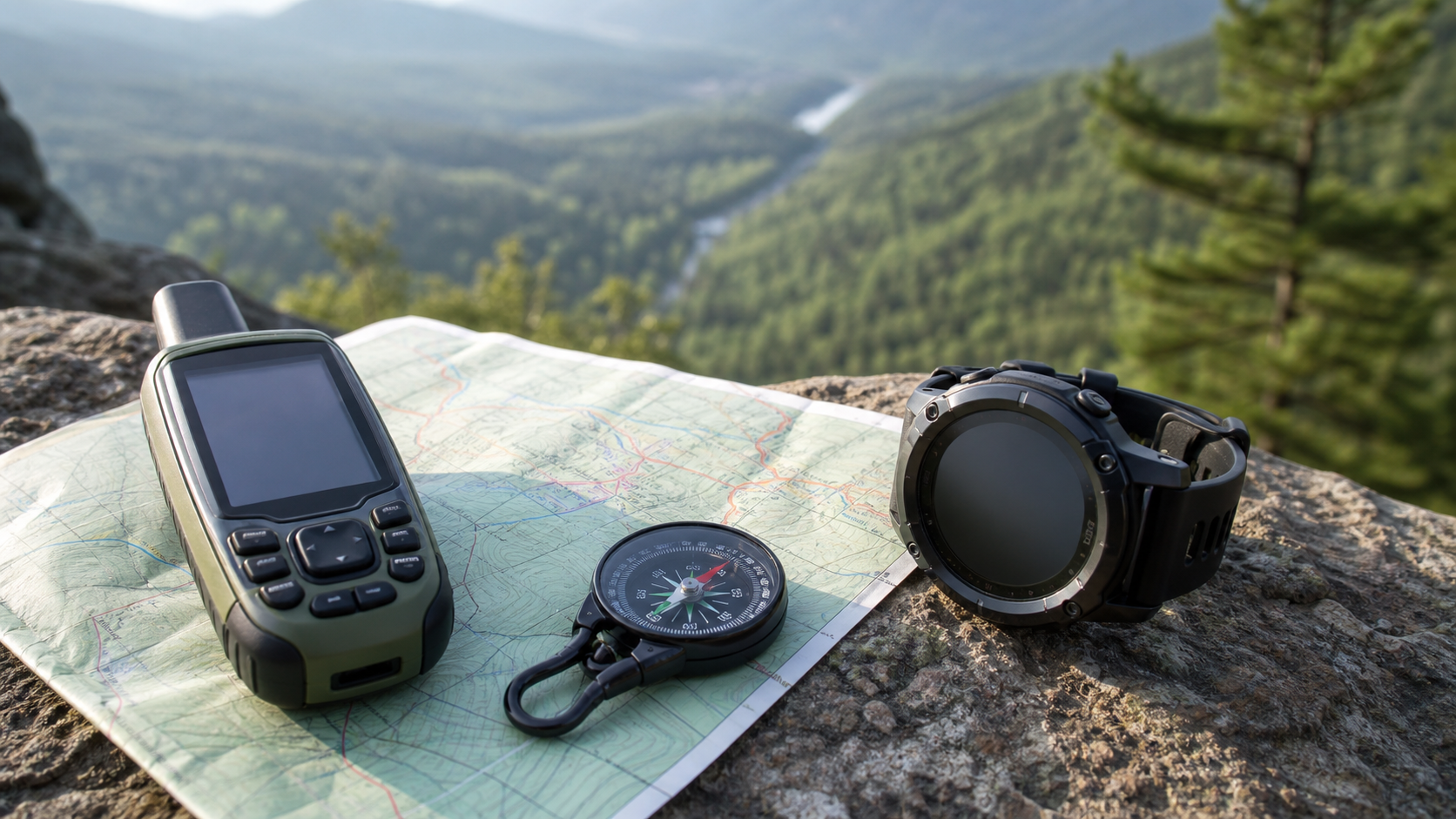
GPS watches (Garmin Fenix and Instinct, Coros, Suunto and others) put your location, elevation, breadcrumb track and often topo maps on your wrist. Handheld GPS units (such as the Garmin GPSMAP and eTrex lines) have larger screens, physical buttons, longer battery life on replaceable batteries in some models, and stronger antennas in many cases.

Comparison

FactorGPS watchHandheld GPS
Screen sizeSmallLarger, easier to read maps
ConvenienceAlways on wristMust be pulled out
BatteryDays to weeks depending on GPS modeLong; some use AA batteries
Fitness featuresHeart rate, training metricsMinimal
Glove useSmall buttonsLarge buttons

Where the Phone Fits

A smartphone with offline maps is now the most common navigator, with the best screen and maps. Its weaknesses are battery life, fragility, and cold. Many hikers use a phone for planning and detailed navigation, and a watch for quick checks and track recording.

Multi-band GNSS

Newer watches and handhelds support multi-band (dual-frequency) GNSS, which can improve accuracy near cliffs, in canyons and under tree cover, at the cost of more battery drain.

Choosing

Pick a watch if you want fitness tracking plus quick navigation. Pick a handheld if you navigate off-trail often, travel in cold conditions, or need long battery life. In either case, carry a paper map and compass as backup.

Posted on

Car Camping Kitchen Checklist: What to Pack Before the Weekend

TrekBench Camp Kitchen
Affiliate disclosure: TrekBench may earn a commission when readers buy through some merchant links. Our recommendations remain independently edited, and commissions do not affect verdicts.

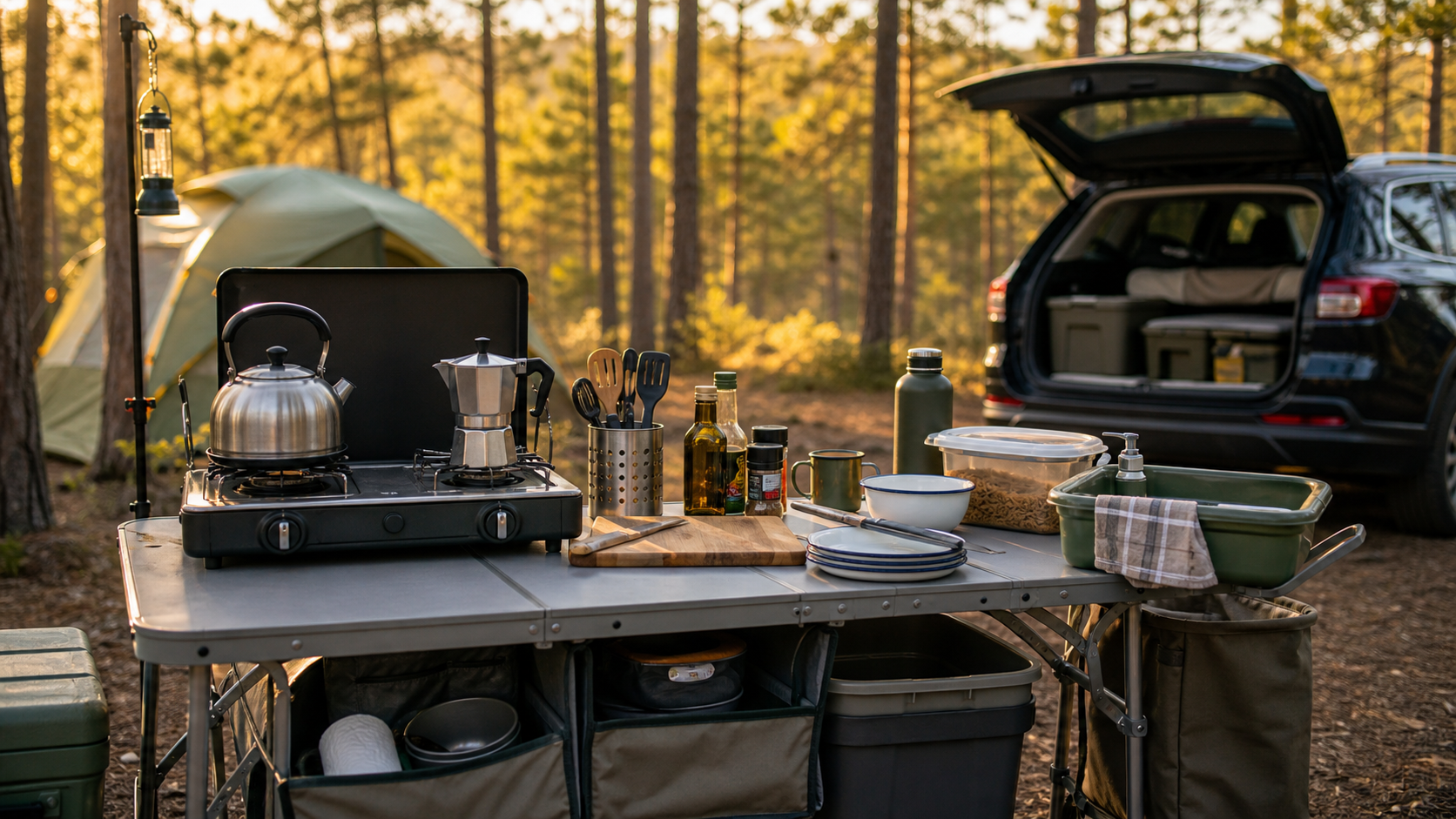
A camp kitchen does not need to look like a mobile restaurant. It needs to make coffee, cook dinner, keep food organized, and clean up without turning the campsite into a gear explosion.

Quick verdict

Start with stove, fuel, water, prep surface, lighting, and cleanup. Add comfort items only after the basics fit neatly in one or two bins.

What we looked for

For this camping piece, we focused on the details that matter on real weekends: packability, weather resistance, comfort after several hours of use, setup time, durability, and value. We favor gear that solves common trip problems without adding unnecessary bulk.

Pros

  • A simple bin system prevents forgotten basics
  • Two-burner stoves remain the easy family option
  • A wash station makes cleanup less annoying

Tradeoffs

  • Too many gadgets slow down short trips
  • Open food storage attracts campsite problems

Who it is for

This guide is written for travelers, hikers, and campers who want dependable gear for weekend trips, national park travel, car camping, and light backcountry use. It is not aimed at expedition specialists or people chasing the absolute lightest possible kit at any cost.

How to choose

  • Match the trip length. Weekend gear should be comfortable and repeatable, not just impressive on paper.
  • Check the failure points. Zippers, poles, straps, buckles, waterproof coatings, battery covers, and seams usually matter more than headline specs.
  • Think about storage. Good outdoor gear should be easy to dry, clean, recharge, repack, and use again next month.
  • Buy for your weather. A desert road trip, a wet shoulder-season hike, and a humid family campsite need different tradeoffs.

Update note

TrekBench reviews are updated when product lines, availability, field notes, or reader questions change. We keep older recommendations visible when they still explain useful buying decisions.

Author: TrekBench Editorial
Our editorial desk focuses on practical travel, camping, hiking, backpacks, footwear, apparel, and outdoor electronics for real-world trips.

The Core Camp Kitchen Checklist

Cooking

  • Two-burner stove plus fuel (check connections before the trip)
  • Lighter and backup matches
  • One frying pan, one pot, a kettle or coffee maker
  • Spatula, tongs, serving spoon, knife, cutting board

Eating

  • Plates, bowls, mugs, cutlery per person
  • Paper towels or reusable cloths

Food storage

  • Cooler with ice or ice packs; block ice lasts longer than cubes
  • Dry-food bin, labeled
  • Bear-safe storage where required

Cleaning

  • Wash basin, biodegradable soap, scrub pad
  • Trash and recycling bags
  • Water jug for washing and drinking

Organizing the Kitchen

A dedicated kitchen bin that stays packed between trips saves time. Keep a printed checklist taped inside the lid and restock after each trip.

Cooler Tips

Pre-chill the cooler, pack in layers (frozen items at the bottom), and keep drinks in a separate cooler to reduce how often you open the food cooler. Keep raw meat sealed to avoid cross-contamination.

Leave No Trace

Strain food scraps from dishwater, pack them out, and scatter gray water at least 200 feet (about 60 meters) from water sources where rules allow, or use campground disposal facilities.

Meal Planning

Plan meals by day, prep ingredients at home, and pick one-pot dinners to reduce cleanup.