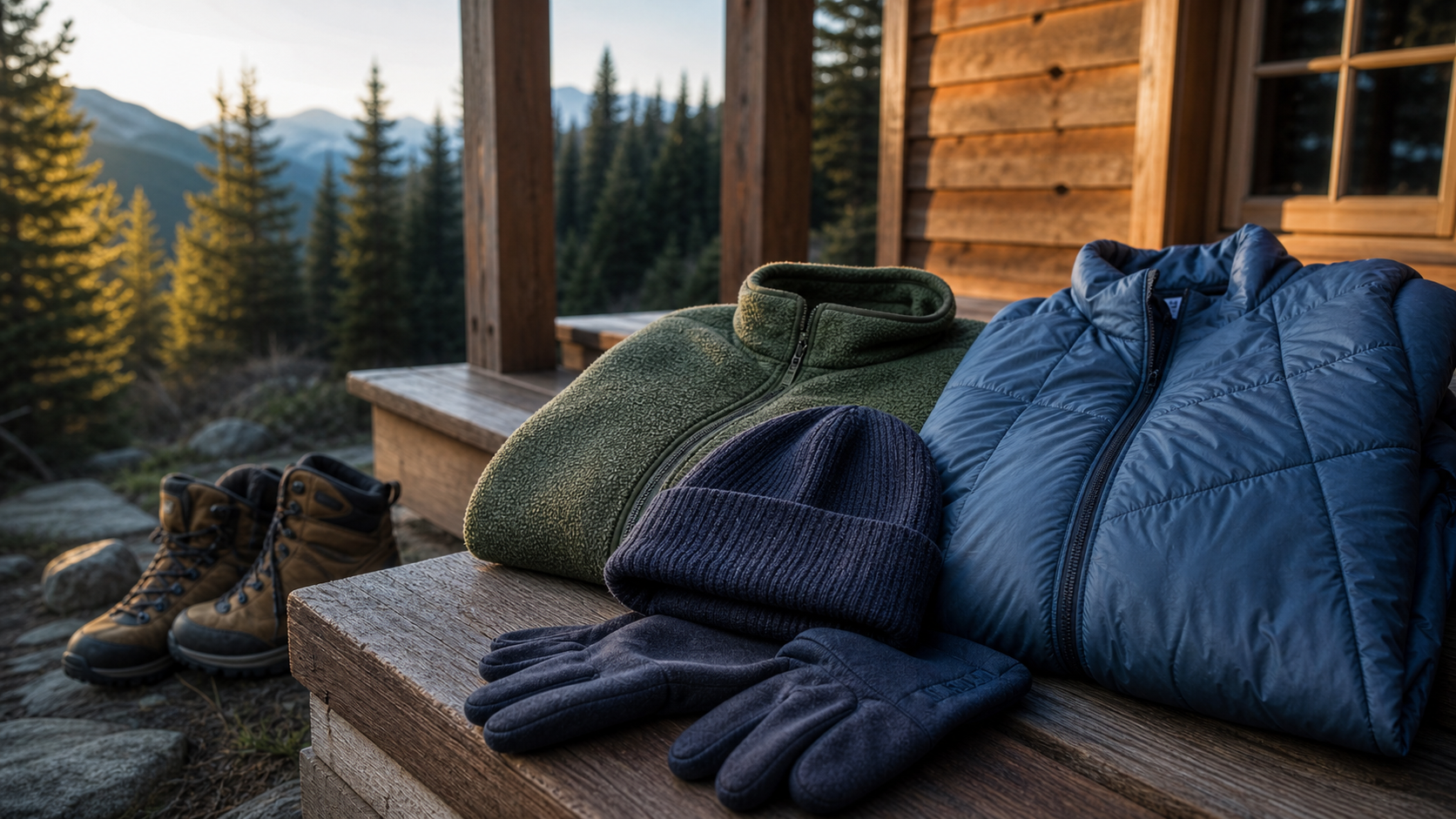
Midlayers are where many hikers overpack. Fleece and synthetic insulation both work, but they solve different temperature problems and layer differently under a shell.
Quick verdict
Use fleece for steady movement and synthetic insulation for chilly breaks. In shoulder season, many hikers carry one light fleece plus a compact puffy.
What we looked for
For this comparisons piece, we focused on the details that matter on real weekends: packability, weather resistance, comfort after several hours of use, setup time, durability, and value. We favor gear that solves common trip problems without adding unnecessary bulk.
Pros
- Fleece breathes well during active hiking
- Synthetic insulation is warmer during stops
- Both dry faster than cotton layers
Tradeoffs
- Bulky fleece can crowd a rain shell
- Insulated jackets can overheat while climbing
Who it is for
This guide is written for travelers, hikers, and campers who want dependable gear for weekend trips, national park travel, car camping, and light backcountry use. It is not aimed at expedition specialists or people chasing the absolute lightest possible kit at any cost.
How to choose
- Match the trip length. Weekend gear should be comfortable and repeatable, not just impressive on paper.
- Check the failure points. Zippers, poles, straps, buckles, waterproof coatings, battery covers, and seams usually matter more than headline specs.
- Think about storage. Good outdoor gear should be easy to dry, clean, recharge, repack, and use again next month.
- Buy for your weather. A desert road trip, a wet shoulder-season hike, and a humid family campsite need different tradeoffs.
Update note
TrekBench reviews are updated when product lines, availability, field notes, or reader questions change. We keep older recommendations visible when they still explain useful buying decisions.
Fleece and Synthetic Insulation Explained
Fleece is a knitted polyester fabric that traps air. It breathes well, stays warm when damp, and handles abrasion, but blocks little wind and is bulky for its warmth. Synthetic insulated jackets use polyester fill (such as PrimaLoft or Coreloft) inside a wind-resistant shell. They provide more warmth for their weight, pack smaller, and block wind, but are less breathable when you are working hard.
Comparison
| Fleece | Synthetic jacket | |
|---|---|---|
| Breathability while moving | Excellent | Moderate (active insulation is better) |
| Wind resistance | Low | Good |
| Warmth per weight | Moderate | Higher |
| Packability | Bulky | Compressible |
| Durability | High | Shell can snag |
When Temperatures Swing
For cold mornings and warm afternoons, a light grid fleece (100-weight) is easy to wear while moving. For stops, summits and camp, a synthetic jacket over it adds warmth quickly. “Active insulation” jackets (lightly insulated, highly breathable) try to bridge both roles.
Layering Strategy
- Base layer that wicks sweat.
- Midlayer while moving (fleece or active insulation).
- Puffy for stops.
- Shell for wind and rain.
Add or remove a layer before you get sweaty or chilled, not after.