Posted on

Salomon X Ultra 5 Review: Fast Hiking Support Without Bulk

Salomon X Ultra 5 Review: Fast Hiking Support Without Bulk featured image

Affiliate disclosure: TrekBench may earn a commission from some merchant links. Our recommendations remain independently edited and commissions do not affect verdicts.

Author: Evan Brooks · Last updated: Jul 18, 2026

A field-focused hiking shoe review covering grip, fit, support, waterproofing, and who should choose a lighter fast-hiking shoe.

Quick Verdict

This type of fast hiking shoe suits day hikers who want trail feel and support without moving into a full boot.

Pros

Stable enough for mixed terrain, quicker underfoot than a boot, easier to pack for travel, and comfortable for faster trail days.

Cons

Less ankle coverage than a boot, not ideal for heavy multi-day loads, and fit can be more specific than casual hiking shoes.

Who It Is For

Day hikers, travel hikers, and weekend walkers who move quickly on maintained or moderately technical trails.

Who Should Avoid

Backpackers carrying heavier overnight loads, hikers who need maximum ankle structure, or readers whose feet need a wider forefoot.

Verdict

A fast hiking shoe makes sense when your trips are active, light, and varied. Fit still matters more than category hype.

What the X Ultra 5 Is Built For

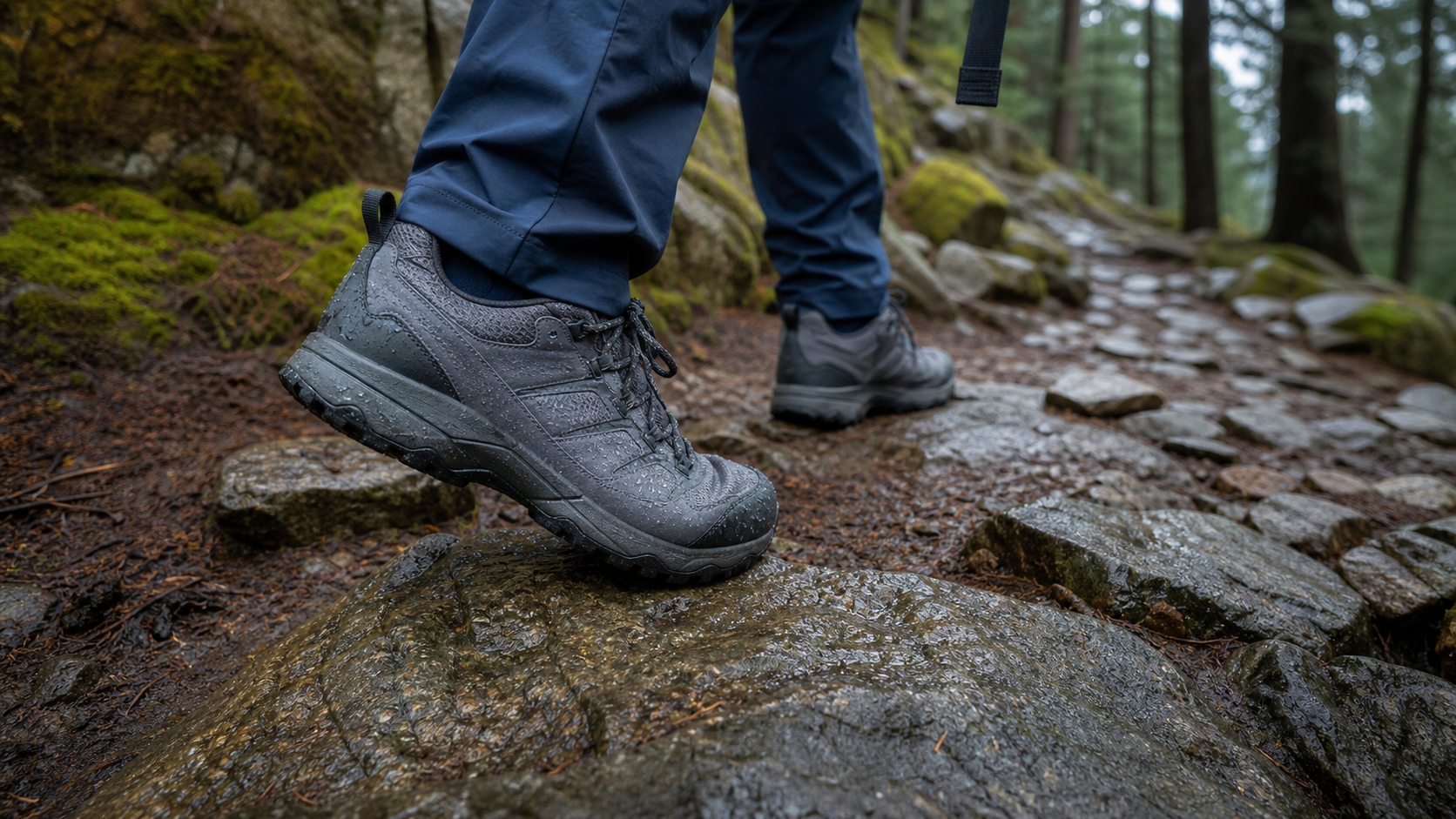
Salomon’s X Ultra line is designed for fast hiking: lighter than a traditional boot, with more support than a trail runner. The X Ultra 5 is available in low and mid versions, with and without GORE-TEX. Salomon describes updates such as a redesigned chassis for stability, a Contagrip outsole with aggressive lugs, and a quicker-lacing system. It targets day hikers and lightweight backpackers who want precise footing without bulk.

Grip and Stability

The Contagrip outsole with deep, multi-directional lugs is the main reason people choose this shoe for mixed terrain. Salomon’s chassis is designed to control rolling of the foot on uneven ground. Compared with highly cushioned shoes, the platform sits closer to the ground, which most users find more stable on rock and roots.

Fit

Salomon shoes have traditionally run narrow to standard through the midfoot. Many hikers with wide feet look for the wide version where available or choose a different brand. The Quicklace system tightens evenly and fast, but some people prefer conventional laces for fine-tuning pressure across the instep; check which lacing your chosen version uses.

Waterproofing Trade-offs

The GORE-TEX version keeps feet dry in wet grass, light rain and shallow puddles. In summer heat, a waterproof membrane can lead to sweaty feet. If your trails are mostly dry, or you expect deep crossings where water will enter over the top anyway, the non-waterproof version breathes better and dries faster.

Low vs. Mid

  • Low: lighter, more agile; best for day hikes and well-maintained trails.
  • Mid: more ankle coverage, keeps out debris, and can feel more secure with a loaded pack. A higher collar does not by itself prevent sprains; fit and footwork matter more.

How It Compares

Shoe typeStrengthWeakness
Salomon X Ultra 5Precise, grippy, supportive for weightNarrow fit for some; firm feel
Max-cushion hiking shoeSoft impact, long-mile comfortLess ground feel on technical terrain
Traditional bootSupport for heavy loadsHeavier, slower to dry

Buying Tips

  1. Try on with hiking socks and walk on an incline board if the store has one.
  2. Check that your heel does not lift when walking uphill.
  3. Buy from a retailer with a generous return window so you can test indoors.
  4. Expect outsole life to vary widely with terrain and weight; abrasive rock wears lugs faster.

FAQs

Is this recommendation independent? Yes. TrekBench recommendations are edited independently and affiliate relationships do not decide our verdicts.

How should I use this guide? Use it to shortlist gear, then compare fit, return policies, local conditions, and your actual trip needs.
Posted on

Best Lightweight 2-Person Tents for Backpacking Trips

TrekBench Tents
Affiliate disclosure: TrekBench may earn a commission when readers buy through some merchant links. Our recommendations remain independently edited, and commissions do not affect verdicts.

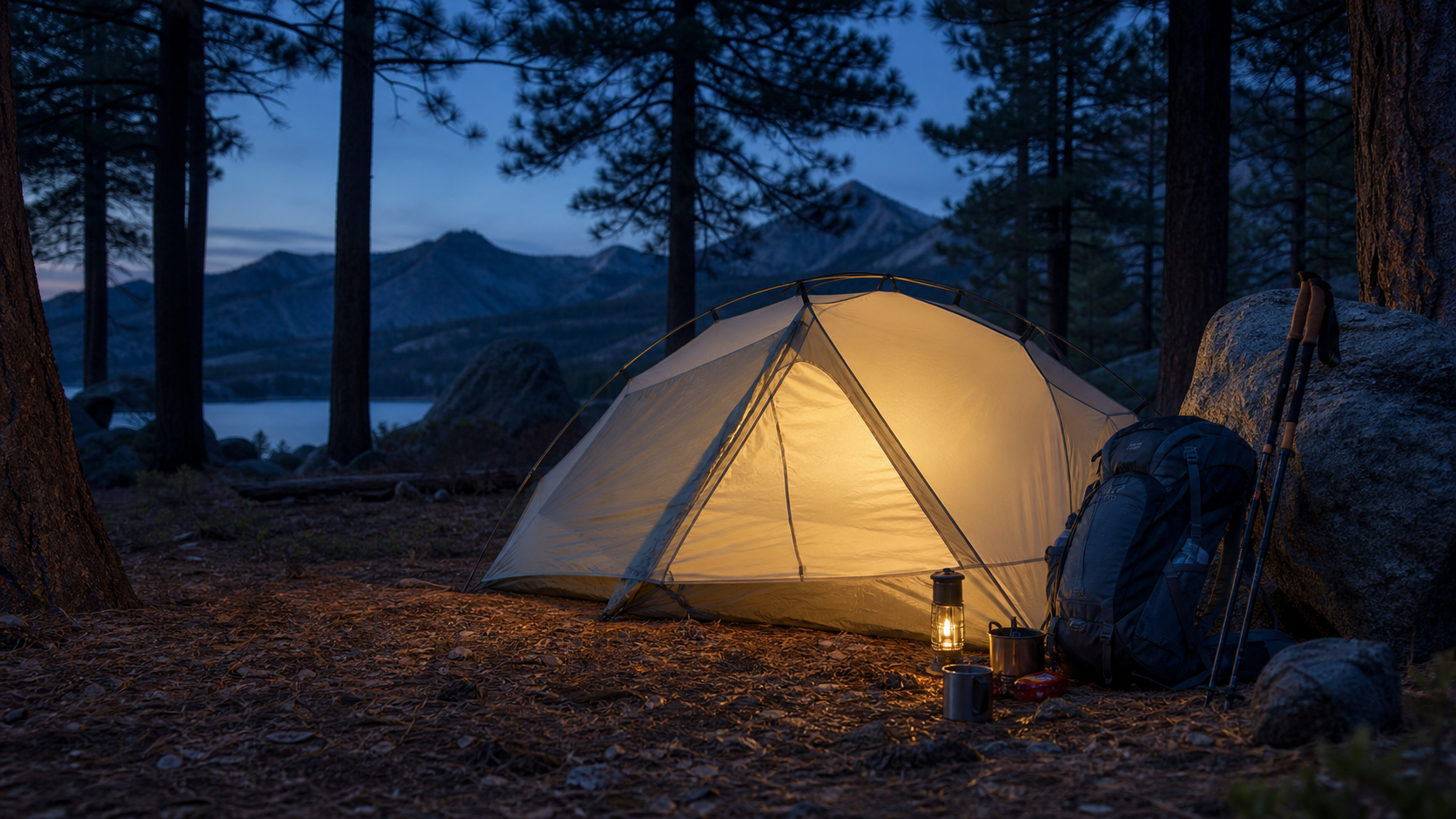
A good two-person backpacking tent should be light enough to carry, roomy enough to sleep in, and simple enough to pitch when the weather turns. This guide explains the tradeoffs that matter before a weekend trip.

Quick verdict

Most weekend hikers should prioritize a stable freestanding or semi-freestanding shelter with dependable rain coverage before chasing the lowest possible weight.

What we looked for

For this buying-guides piece, we focused on the details that matter on real weekends: packability, weather resistance, comfort after several hours of use, setup time, durability, and value. We favor gear that solves common trip problems without adding unnecessary bulk.

Pros

  • Good balance of packed weight and livable space
  • Simple pitch matters when daylight is fading
  • Ventilation and vestibule space improve wet-weather comfort

Tradeoffs

  • Ultralight fabrics need more careful handling
  • Budget tents often trade weight for durability

Who it is for

This guide is written for travelers, hikers, and campers who want dependable gear for weekend trips, national park travel, car camping, and light backcountry use. It is not aimed at expedition specialists or people chasing the absolute lightest possible kit at any cost.

How to choose

  • Match the trip length. Weekend gear should be comfortable and repeatable, not just impressive on paper.
  • Check the failure points. Zippers, poles, straps, buckles, waterproof coatings, battery covers, and seams usually matter more than headline specs.
  • Think about storage. Good outdoor gear should be easy to dry, clean, recharge, repack, and use again next month.
  • Buy for your weather. A desert road trip, a wet shoulder-season hike, and a humid family campsite need different tradeoffs.

Update note

TrekBench reviews are updated when product lines, availability, field notes, or reader questions change. We keep older recommendations visible when they still explain useful buying decisions.

Author: TrekBench Editorial
Our editorial desk focuses on practical travel, camping, hiking, backpacks, footwear, apparel, and outdoor electronics for real-world trips.

What to Compare in a Two-Person Backpacking Tent

  • Weight: many lightweight two-person tents fall roughly between 1 and 2 kg; “minimum trail weight” excludes stakes and stuff sacks, so look at packaged weight too.
  • Floor area and shape: tapered floors save weight but reduce space at the feet.
  • Peak height: matters if you sit up to change or play cards.
  • Doors and vestibules: two doors and two vestibules avoid climbing over a partner.
  • Freestanding vs. semi-freestanding vs. trekking-pole supported: freestanding is easier to pitch on rock or platforms; pole-supported tents are lightest but need staking and practice.

Fabrics

Tents use coated nylon or polyester, with denier (D) indicating thread thickness. Lower denier saves weight but is more fragile. Dyneema Composite Fabric is extremely light and doesn’t sag when wet, but costs much more.

Weather Considerations

ConditionWhat helps
WindLower profile, more guy-out points
RainFull-coverage fly, quality seams
CondensationVents, mesh inner, pitching away from water

Two People, Real Space

Two standard 20-inch pads fit in most two-person tents; wide pads may not. If you are tall or want room, a “plus” model or three-person tent may be worth the weight.

Footprint

A footprint protects thin floors from abrasion. A sheet of polycryo is a light, cheap alternative.

Posted on

Best Hiking Backpacks for Weekend Trips: 30-45L Picks

Best Hiking Backpacks for Weekend Trips: 30-45L Picks featured image

Affiliate disclosure: TrekBench may earn a commission from some merchant links. Our recommendations remain independently edited and commissions do not affect verdicts.

Author: Mara Collins · Last updated: Jul 24, 2026

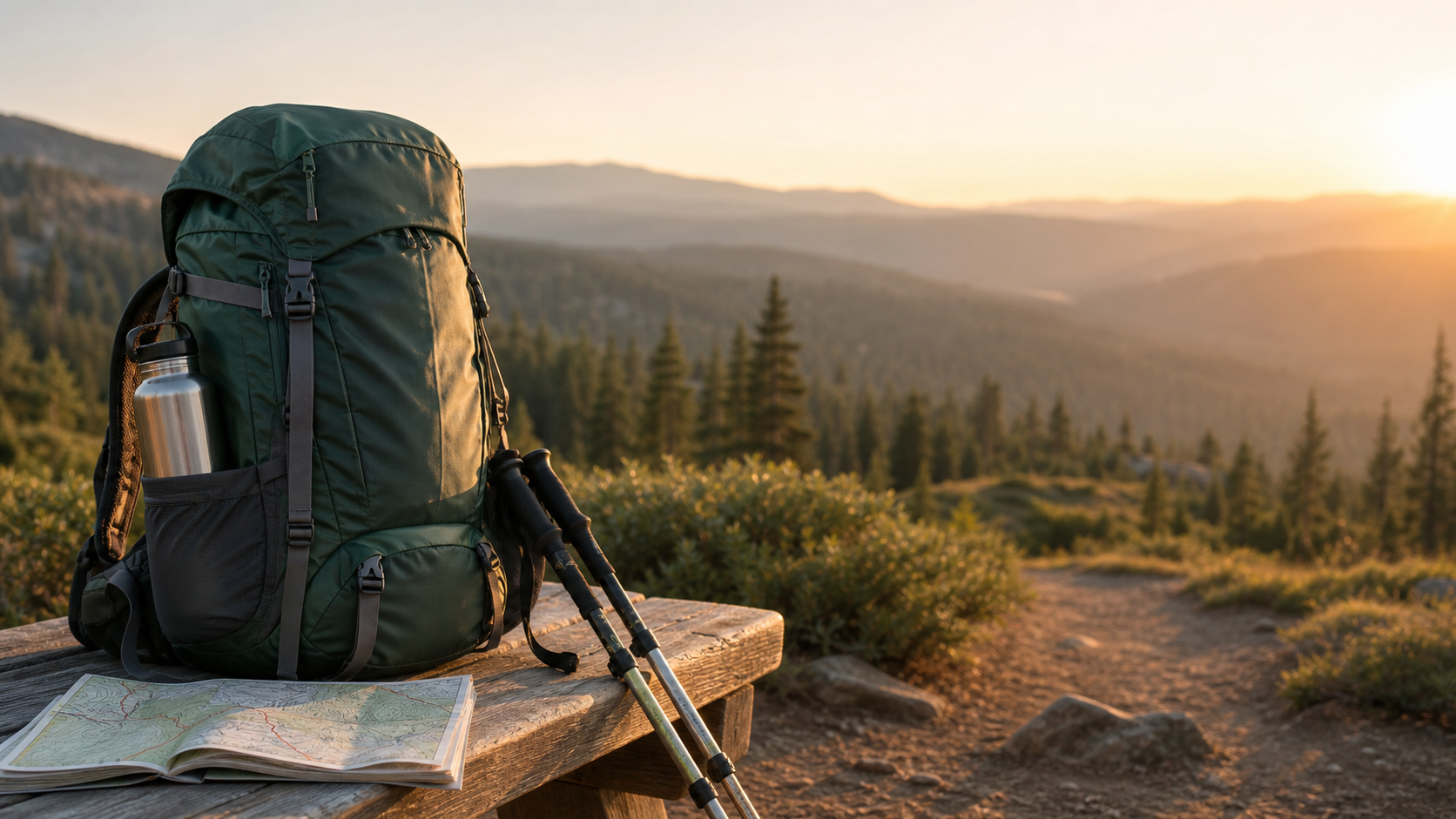
A practical TrekBench guide to weekend hiking backpacks, focused on comfort, capacity, pocket layout, durability, and real trip suitability.

Quick Verdict

For most weekend hikers, a 30-45L backpack is the sweet spot: large enough for layers, food, water, safety gear, and a compact overnight kit, but small enough to discourage overpacking.

What We Look For

We prioritize carry comfort, usable capacity, hipbelt support, ventilation, pocket access, fabric durability, rain protection, and whether the pack still feels organized after a real trail day.

Who It Is For

Weekend hikers, light campers, hut-to-hut travelers, and people building a practical outdoor kit before moving into heavier backpacking.

Who Should Avoid

Ultralight thru-hikers and winter campers may need more specialized volume, frame support, or weather protection.

Research Summary

Our framework compares loaded comfort, shoulder pressure, hipbelt transfer, bottle access, wet-weather readiness, and how easily the pack handles changing layers on trail.

Verdict

Choose the pack that carries your real load comfortably, not the one with the most pockets or the loudest launch claims.

Why 30–45 Liters Works for Weekends

With modern compact sleeping bags, pads and shelters, 30–45 liters is enough for one or two nights in mild weather. Larger packs are better for winter, bulky gear, or carrying shared group gear.

Fit Comes First

Measure your torso length from the C7 vertebra to the top of your hip bones (iliac crest). Choose a pack size or adjustable harness that matches that measurement. Hip belt fit matters: most of the load should rest on your hips.

Frame and Suspension

TypeProsCons
Framed with suspended mesh backVentilation, comfortHeavier, less space
Framed, close-contact backStabilitySweatier
FramelessVery lightNeeds light loads and careful packing

Features Worth Having

  • Hip-belt pockets for snacks and phone
  • Large stretch front pocket for a rain jacket
  • Side pockets that hold bottles reachable while walking
  • Hydration sleeve
  • Compression straps

Packing Tips

Put heavy items close to your back and between your shoulder blades, sleeping bag at the bottom, and rain gear on top or in the front pocket.

Warranty

Brands like Osprey, Gregory, REI, and Deuter offer warranties of varying scope; check the current terms when comparing similar packs.

FAQs

Is this recommendation independent? Yes. TrekBench recommendations are edited independently and affiliate relationships do not decide our verdicts.

How should I use this guide? Use it to shortlist gear, then compare fit, return policies, local conditions, and your actual trip needs.