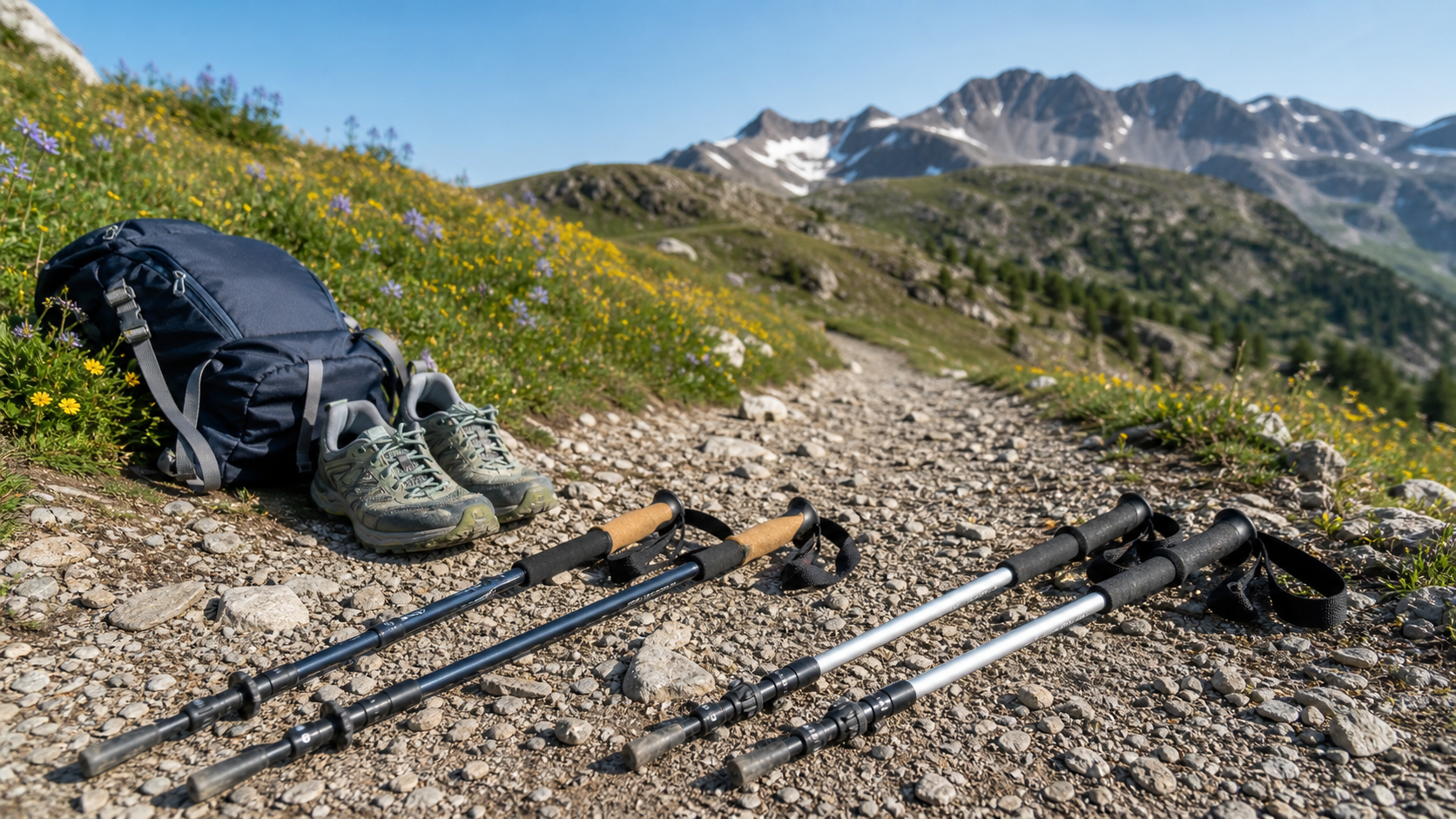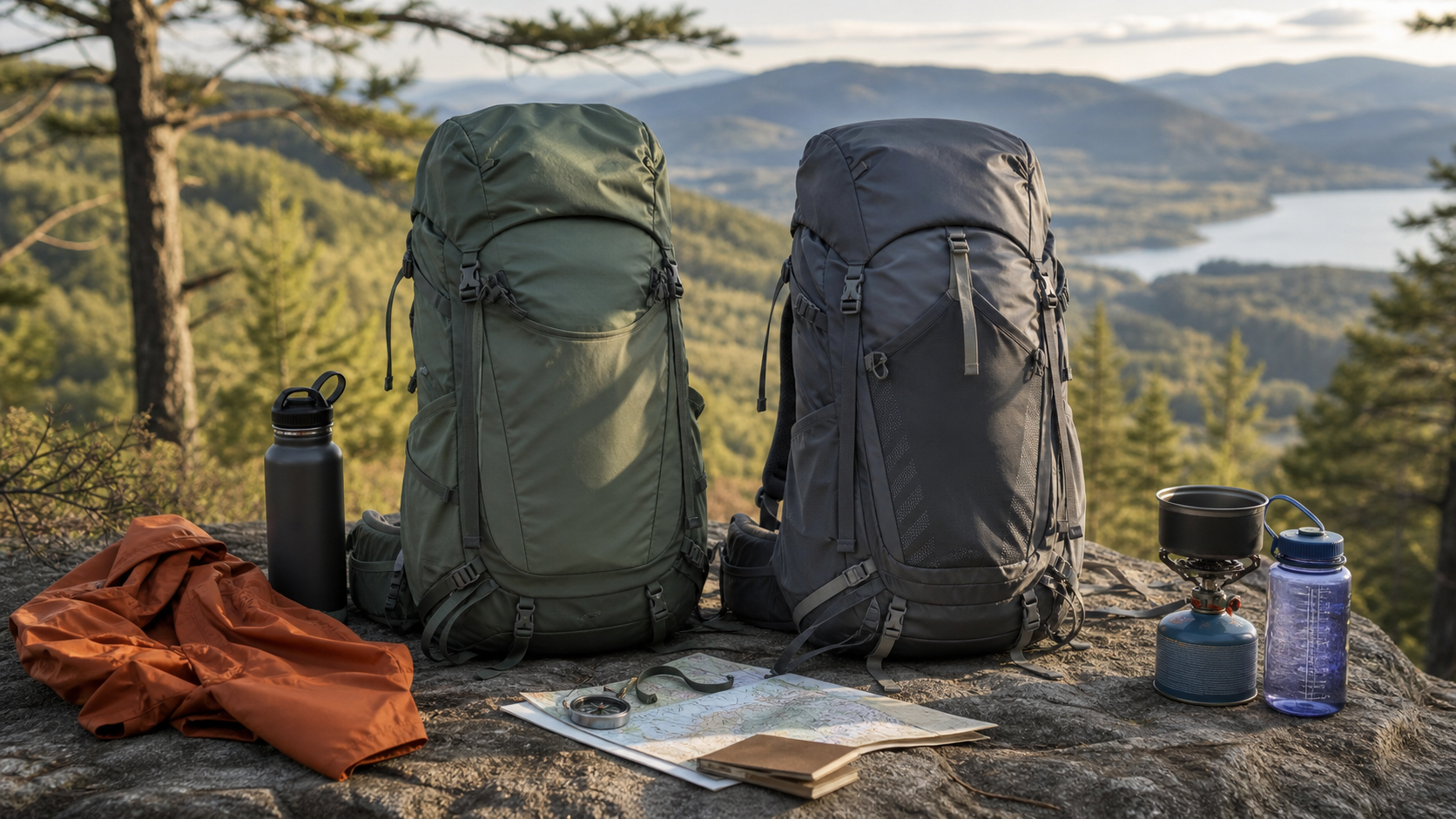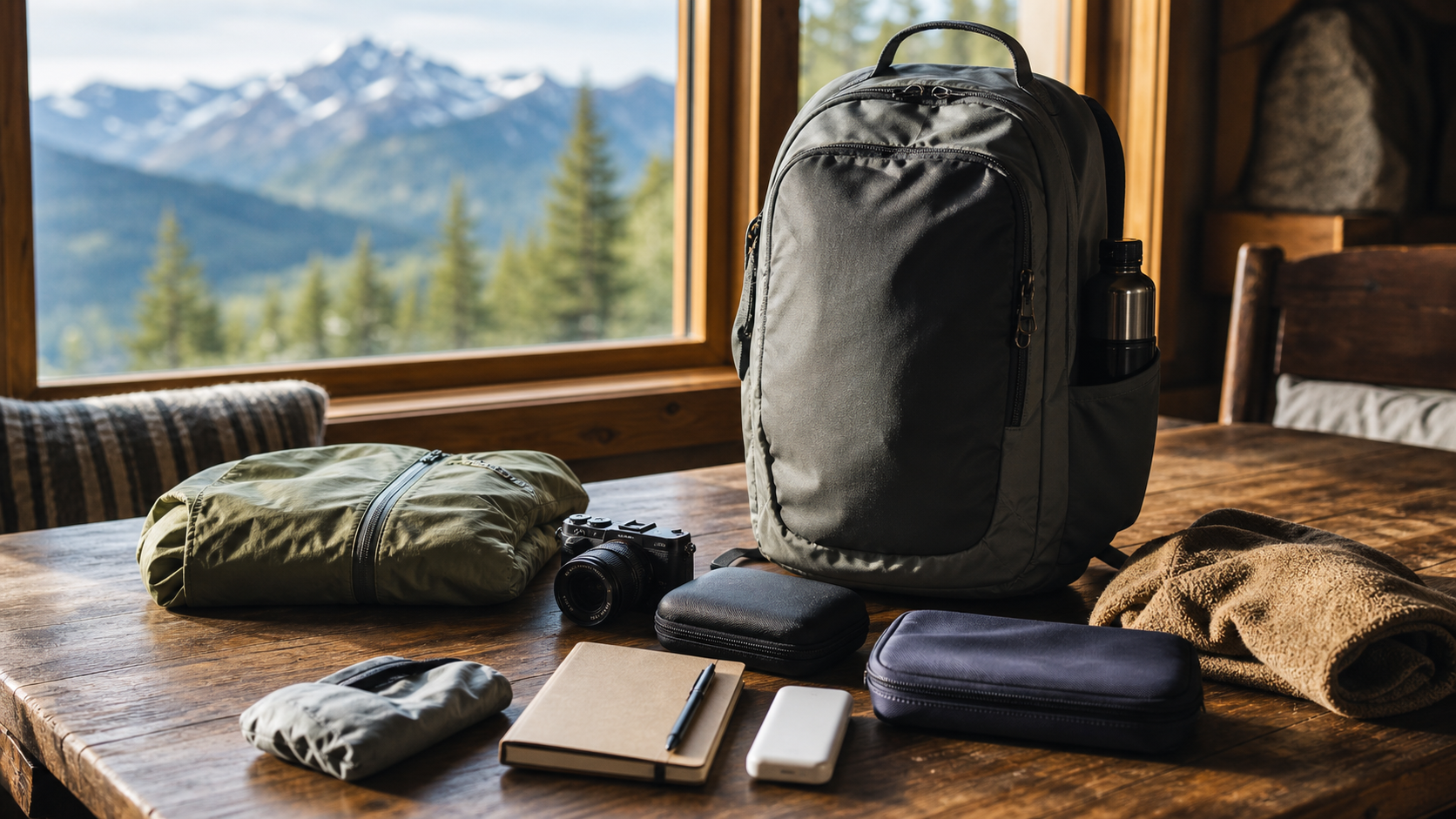
The best travel daypack is not always the most technical hiking pack. It needs to fit under a seat, carry a jacket and camera, and still feel comfortable on a trail overlook.
Quick verdict
Look for a 20-28L pack with clean organization, comfortable straps, and enough weather resistance for a wet transfer or trail afternoon.
What we looked for
For this buying-guides piece, we focused on the details that matter on real weekends: packability, weather resistance, comfort after several hours of use, setup time, durability, and value. We favor gear that solves common trip problems without adding unnecessary bulk.
Pros
- Clamshell access helps with travel packing
- A real water bottle pocket is still useful
- Padded laptop sleeves can double as map storage
Tradeoffs
- Too many admin pockets add weight
- Pure hiking packs can look awkward in cities
Who it is for
This guide is written for travelers, hikers, and campers who want dependable gear for weekend trips, national park travel, car camping, and light backcountry use. It is not aimed at expedition specialists or people chasing the absolute lightest possible kit at any cost.
How to choose
- Match the trip length. Weekend gear should be comfortable and repeatable, not just impressive on paper.
- Check the failure points. Zippers, poles, straps, buckles, waterproof coatings, battery covers, and seams usually matter more than headline specs.
- Think about storage. Good outdoor gear should be easy to dry, clean, recharge, repack, and use again next month.
- Buy for your weather. A desert road trip, a wet shoulder-season hike, and a humid family campsite need different tradeoffs.
Update note
TrekBench reviews are updated when product lines, availability, field notes, or reader questions change. We keep older recommendations visible when they still explain useful buying decisions.
What Makes a Good Travel Daypack
A travel daypack sits between a city backpack and a hiking pack. It should fit under an airline seat, carry a laptop or tablet on travel days, and carry a jacket, water, and snacks on the trail.
Key Features
- Capacity: 18–28 liters is the sweet spot.
- Under-seat size: many airlines’ personal item limits are around 18 x 14 x 8 inches; verify yours.
- Hip belt or sternum strap: improves stability on trail.
- Water bottle pockets: deep enough to hold a 1 L bottle securely.
- Padded sleeve: useful for electronics in transit.
- Materials: high-denier nylon or recycled polyester with water-resistant coating.
Pack Types
| Type | Good for | Trade-off |
|---|---|---|
| Hiking daypack (20–25 L) | Trail comfort, ventilation | Less organization for tech |
| Travel daypack | Airports, cities, light trails | Less support for heavy loads |
| Packable daypack | Folds into luggage | Minimal structure |
Security Tips
Lockable zippers and hidden pockets help in crowded areas. Keep passports and wallets in an internal pocket against your back.
Fit
Even small packs fit better when shoulder straps sit close to the neck without pressure and the load rides close to your back.